
Causes of dtc P0376
From experience, the most common reasons I see for a P0376 code are:
- A faulty engine position sensor (crankshaft or camshaft sensor, usually)
- Problems with the wiring-like frayed wires, loose connectors, or corrosion
- A damaged reluctor wheel (the toothed wheel or disc the sensor reads from)
- Contaminated engine oil, especially if there are metal shavings that interfere with the sensor
- A malfunctioning PCM (engine computer), though this is less common
Most often, it’s a sensor or wiring issue, but I always check the other possibilities too, just to be thorough.
Symptoms of P0376
When this code is active, here’s what you’ll likely notice:
- The check engine light will come on-sometimes that’s the only clue at first
- Hard starting or even a no-start condition
- Rough engine operation, like misfiring or stumbling
- Poor acceleration or hesitation
In some cases, the engine might run but feel weak or unpredictable. If it gets worse, the car might not start at all.

Diagnosis process for P0376 code
Here’s how I usually tackle a P0376 code, step by step:
- First thing I do is pop the hood and take a careful look at the sensor and all its wiring. Over the years, I’ve lost count of how many issues boiled down to a loose connection or a corroded pin. Don’t just glance over it-give every connector a gentle wiggle, unplug and plug it back in. Sometimes that’s all it takes to spot a bad contact.
- Then, I’ll pull the dipstick and check the engine oil. If it’s got a silvery shimmer or feels gritty, you might have metal floating around. That stuff can wreak havoc on sensor readings. If you see it, don’t ignore it-there’s something bigger going on inside the engine.
- After that, I always search for any Technical Service Bulletins (TSBs) tied to your make and model. Manufacturers occasionally spot patterns before we do in the shop, and they’ll publish fixes that can save you hours of guesswork.
- Once those bases are covered, I’ll break out my multimeter and test the sensor itself. For a Hall effect sensor, I’m watching for a nice, clean voltage signal-usually bouncing between zero and five volts as someone turns the key. If your vehicle uses a magnetic sensor, I’ll measure resistance (should land somewhere between 500 and 1200 ohms, but double-check your car’s specs), and make sure it’s generating AC voltage while cranking.
- If the sensor looks healthy, I turn my attention to the wiring harness. I’ll check the ground, power, and signal wires one by one using a wiring diagram for your exact car. Open circuits, shorted wires, or high resistance can all cause this headache.
- Still no luck? That’s when I start to suspect the PCM, but honestly, it’s a rare culprit. I only go there after everything else checks out.
One tip: grab a buddy to help you crank the engine while you probe wires-much safer and way less hassle. And watch your fingers around those spinning parts!
Common mistakes with obd code P0376
Honestly, I’ve seen a few common slip-ups with this code:
- Jumping straight to replacing the sensor without checking the wiring or reluctor wheel first
- Overlooking oil contamination-metal debris can throw off the sensor signal
- Not checking for TSBs that might point to a known issue
- Assuming the PCM is bad before ruling out all the simple stuff
It’s easy to miss a damaged reluctor wheel or a corroded connector, so don’t skip those checks. Rushing can lead to wasted time and money.

Seriousness of the P0376 trouble code
This isn’t something to ignore. If you let it go, you could end up stranded with a no-start situation, or the engine could run so poorly that it’s unsafe to drive. In some cases, continued driving with this issue can cause misfires, which might damage the catalytic converter or other engine components. You don’t want this kind of trouble on the road-things can go south quickly if overlooked.
Repair steps for the P0376 engine code
Here’s what I typically do to fix a P0376 code:
- Repair or replace any damaged wiring or connectors
- Replace the engine position sensor if it’s faulty
- Clean or replace the reluctor wheel if it’s damaged or dirty
- Change the engine oil if it’s contaminated, and check for underlying causes of metal debris
- In rare cases, replace the PCM if all other fixes don’t solve the problem
After repairs, I always clear the code and test drive the vehicle to make sure the issue is gone.


Conclusion
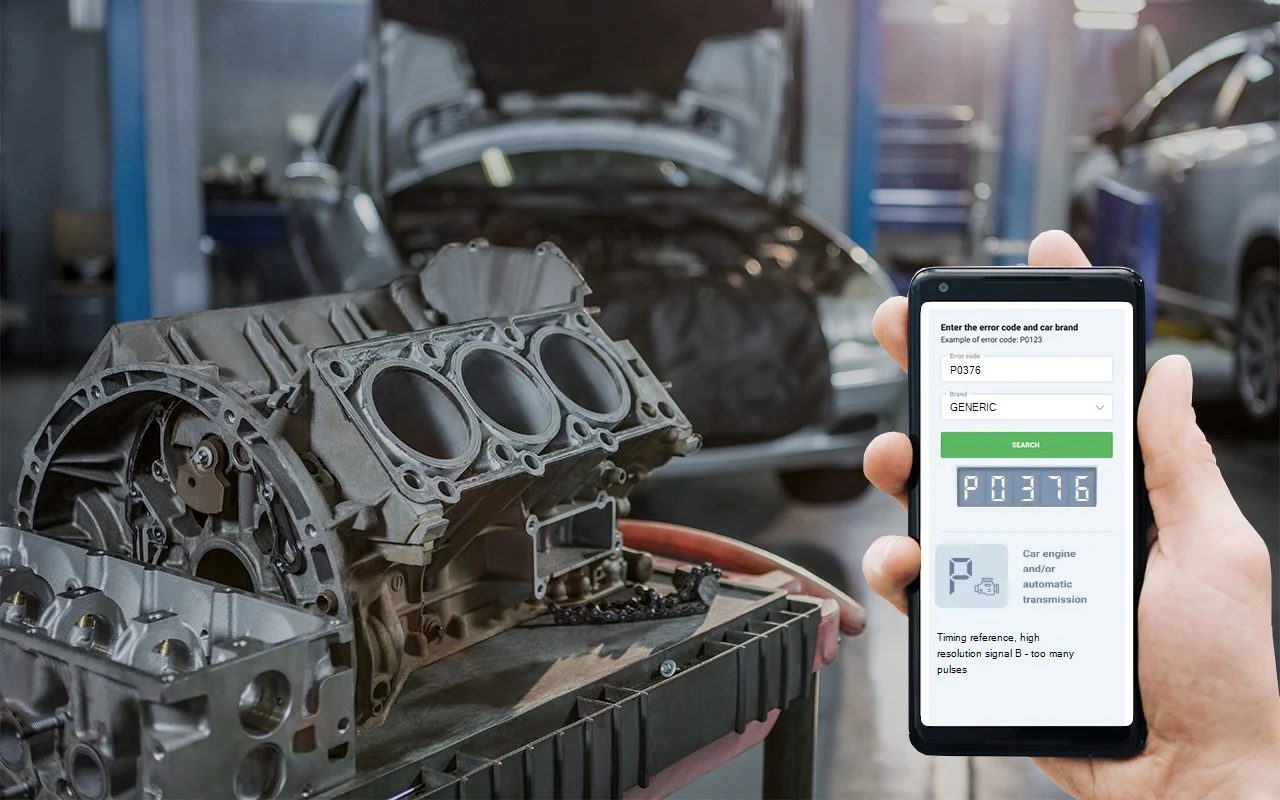
To sum it up, P0376 means your engine’s position sensor "B" is sending too many pulses, which throws off the computer’s ability to control timing and fuel. This can cause anything from a check engine light to a no-start, and it’s not something to put off. Start with the basics-check the wiring, sensor, and oil-before moving on to more complex repairs. Acting quickly is the best way to avoid bigger headaches and keep your vehicle running safely and smoothly.
 4464
4464 5 minutes of reading