
Causes of P0377
From experience, I can tell you there are a handful of usual suspects when it comes to this issue. Most often the problem is with the sensor itself, but there are a few other things that can trip up the system. Here’s what I see most commonly:
- A faulty engine position sensor (crankshaft or camshaft sensor, usually)
- Problems with the wiring-think damaged, corroded, or loose connections
- A damaged or misaligned reluctor wheel (the toothed wheel the sensor reads from)
- Contaminated engine oil, especially with metal shavings that can mess with sensor readings
- A malfunctioning PCM (the car’s computer), though this is less common
In cases like this, it’s usually best to start with the sensor and wiring before jumping to more expensive parts.
Symptoms of P0377 code
When this code is active, you’ll probably notice a few things aren’t right. The most obvious is the Check Engine light coming on. But it doesn’t stop there. Here’s what you might experience:
- Hard starting, or sometimes the engine won’t start at all
- Rough running or poor engine performance-like stumbling, hesitation, or even stalling
- Reduced power or sluggish acceleration
Honestly, if you’re seeing these symptoms, don’t ignore them. Things can go south quickly if overlooked.

Diagnosis with obd2 code P0377
Here’s how I usually tackle this diagnostic trouble code, step by step. I always recommend starting with the basics before moving on to more complicated stuff:
- First, do a good visual inspection of the sensor and its wiring. Look for loose connectors, frayed wires, or any signs of corrosion. Don’t forget to check for oil leaks around the sensor, too.
- If you spot any damage, fix it, clear the code, and see if it comes back. Sometimes it’s as simple as a bad connection.
- Next, check for any Technical Service Bulletins (TSBs) related to this code for your specific vehicle. Sometimes the manufacturer has already seen this problem and has a fix.
- If everything looks good visually, it’s time to test the sensor itself. For a Hall effect sensor, I use a digital multimeter set to DC voltage. Backprobe the signal wire, have someone crank the engine, and watch for the voltage to jump between 0 and the reference voltage (usually 5 volts). If you have an oscilloscope, you can see the actual signal pulses, which is even better.
- For a permanent magnet sensor, start by checking its resistance with the multimeter (should be in the 500-1200 ohm range, but check your vehicle’s specs). If that’s good, reconnect it and check for AC voltage while cranking the engine-you should see the voltage fluctuate.
- If the sensor checks out, inspect the reluctor wheel for damage or misalignment. Sometimes debris or metal shavings can throw off the reading, so make sure it’s clean and intact.
- Finally, check the wiring continuity between the sensor and the PCM. Use your wiring diagram to make sure each wire is solid-no breaks or shorts.
- If you get all the way through these steps and still have the code, the PCM itself could be at fault, but that’s rare. At that point, I’d recommend getting a professional involved before replacing the computer.
It’s better to have someone assist you with cranking the engine while you check signals, and always double-check your meter settings before testing.
Common Mistakes with dtc P0377
Over the years, I’ve seen a few common pitfalls with this code. The biggest one is jumping straight to replacing the sensor without checking the wiring or the reluctor wheel. Another is not checking for TSBs-sometimes there’s a known fix that gets missed. And don’t forget to inspect for oil contamination or debris around the sensor; that’s a surefire way to end up in trouble if ignored. Skipping these steps can waste time and money.

Seriousness of obd code P0377
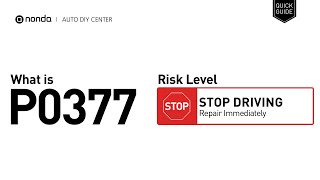
This is not a code you want to put off. The risks just aren’t worth it. If the engine position sensor signal is off, your engine might not start, or it could run so poorly that it stalls in traffic-a serious hazard. Ignoring this can also lead to misfires, which over time can damage the catalytic converter or even the engine itself. Don’t put this off for later-address it as soon as possible to avoid bigger headaches and expensive repairs down the road.
Repair options for P0377 trouble code
Based on what I’ve seen and what the OEM procedures recommend, here are the typical fixes for this issue:
- Repair or replace any damaged wiring or connectors to the sensor
- Replace the engine position sensor if it fails testing
- Clean or replace the reluctor wheel if it’s damaged or dirty
- Change the engine oil if it’s contaminated with metal particles
- In rare cases, replace the PCM if all other steps check out and the problem persists
It’s best to start with the simple stuff-wiring and sensor checks-before moving on to more expensive parts.

Conclusion
To sum it up, P0377 means your car’s computer isn’t getting the right signal from the engine position sensor "B", which can cause anything from hard starting to a no-start condition. This is a moderate to serious issue that can quickly escalate if ignored. My advice? Start with a careful inspection of the sensor and wiring, check for TSBs, and work through the diagnostic steps methodically. Most often, the fix is a sensor or wiring repair, but don’t skip checking the reluctor wheel and oil condition. Acting quickly is the most reliable way to keep your engine running safely and avoid bigger problems down the line.

 3633
3633 6 minutes of reading