
Causes of obd2 code P037F
From my time under the hood, the usual suspects for a P037F code almost always trace back to something electrical. Here’s what tends to give you trouble most often:
- Brittle, cracked, or broken glow plug wiring harness-these wires see a ton of heat and vibration, so it’s no wonder they fail
- A blown or faulty fusible link-the special fuse that protects the glow plug circuit
- Glow plugs themselves going bad-sometimes they just plain wear out or short inside
- Connectors that have gotten corroded, loose, or even melted, especially at the plug or harness ends
- ECM issues-but honestly, in my experience, that’s pretty rare
Here’s a pro-tip from the garage: always start by checking the wiring and connectors. Nine times out of ten, that’s where I find the gremlin. And before you start guessing, it’s smart to look up any technical service bulletins (TSBs) for your make and model-sometimes the factory already knows about a recurring quirk and has a fix ready.
Symptoms of P037F trouble code
When P037F shows up, you’ll almost always spot a few classic symptoms-especially when you’re trying to get going on a cold morning. Here’s what most folks tell me in the shop:
- Tough time starting the engine when it’s chilly out
- Engine runs rough right after it finally fires
- You might hear some odd noises as the engine struggles to catch
- Misfires or the engine stumbling as it tries to settle down
- Noticeably worse fuel economy
If you spot extra warning lights on the dash-like ABS or traction control-that’s often a sign the electrical gremlins are spreading. Don’t ignore these warning signs. If you let this slide, you’re just asking for bigger trouble down the road.

Diagnosis steps for obd code P037F
Let me walk you through how I tackle a P037F. If you’re handy with tools, you can follow along:
- Start with your nose-seriously. If you catch a whiff of burnt plastic or insulation when you pop the hood, that’s your first clue. Scan for melted wires or scorched connectors, especially near the fuse box and glow plug harness.
- Give the glow plug harness a good look. These wires often run right past hot engine parts and can get baked or chafed over time. Any spots that look rubbed through or heat-damaged? Fix those right off the bat.
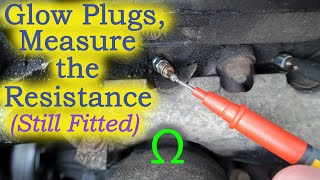
- If you’ve got a multimeter, disconnect the harness from the glow plugs and check each wire for continuity. It’s the only way to catch hidden breaks inside the harness. Just make sure you’ve unhooked the battery first-no need for sparks.
- Take a look at the fusible link or glow plug fuse. If it’s blown or looks cooked, swap it out. But here’s the thing: fuses don’t usually blow for no reason, so dig deeper to find out why it happened.
- Test each glow plug. With the harness off, set your multimeter to voltage. One lead to battery positive, the other to the tip of each glow plug. You should see battery voltage. If not, you’ve found your culprit.
- Check every ground connection for rust or looseness. Bad grounds make cars do weird things-don’t overlook them.
It helps to have a second set of hands, especially when you’re poking around in tight spots. And always double-check your service manual for your car’s specific test specs-that info’s worth its weight in gold.
Common mistakes when fixing dtc P037F
A classic mistake I see all the time? Folks rush right to swapping out glow plugs without even glancing at the wiring or fuses. That’s an easy way to waste cash and time. Another big misstep: forgetting to disconnect the battery before working on anything electrical. I’ve seen people fry their ECMs that way-trust me, you don’t want that bill. Skipping a thorough visual inspection is another one. Sometimes the problem is staring right at you-a melted connector, a wire rubbed bare. And never forget to check for TSBs. Sometimes the manufacturer already has the answer, saving you a world of frustration.

Seriousness of P037F engine code
Don’t treat this code lightly, especially if you live somewhere cold. If you ignore it, you’re looking at hard starts and sluggish performance-and if you keep forcing cold starts with faulty glow plugs, you can actually do real damage to the engine itself. I’ve seen pistons, rings, and cylinder walls suffer just from poor combustion. That’s the kind of trouble you don’t want, especially when the temperature drops. Get this sorted before it snowballs into a bigger, costlier problem.
Repair solutions for P037F
Here’s how I’ve fixed this over the years, and what the factory repair info usually says:
- Repair or swap out any damaged glow plug wiring or connectors-don’t cut corners here
- Replace blown or weak fusible links or fuses, but always find out why they went in the first place
- Install new glow plugs if any are bad-always stick with OEM or top-quality replacements
- Clean up and tighten every ground connection you can find
- If everything else checks out and you’re still stuck, it might be time to have the ECM tested or replaced, but that’s rare in my experience
Once you’ve made your repairs, clear the code and take the truck for a drive. Only call it fixed if the code stays gone and the symptoms are history.


Conclusion
So, to wrap it up, P037F is an electrical gremlin in the glow plug circuit that’ll mess with your diesel’s ability to start in the cold. Nine times out of ten it’s a wiring, fuse, or glow plug issue-and the best approach is always to start simple, check everything step by step, and don’t rush. Especially if you count on your diesel in cold weather, don’t put this one off. Trust the OEM process, fix what’s broken, and confirm your repair by clearing the code and taking the rig for a spin. That’s how you keep your diesel happy and avoid those ugly, expensive surprises down the road.

 5359
5359 6 minutes of reading