
Causes of P0383 code
From my time in the bay and flipping through factory service manuals, the usual suspects behind a P0383 code are:
- Glow plugs that have simply worn out-most start to fail somewhere around 30,000 to 40,000 miles, depending on how often you’re starting in cold weather.
- A faulty glow plug relay. These relays handle a lot of current, and it’s not unusual for them to get stuck or burn out over time.
- Problems with the glow plug control module or PCM, especially if the relay isn’t grounded correctly. Sometimes the control side fails, leaving everything else in the dark.
- Blown fuse in the glow plug circuit. It sounds basic, but I can’t count the number of times a simple blown fuse was the root of the problem.
- Bad wiring or poor electrical connections. Corrosion, cracked insulation, or a loose terminal can all cause voltage drops or open circuits.
- Failures in the oil temperature sensor. This sensor tells the PCM when to activate the glow plugs, and if it’s giving bad info, the whole system can get thrown off.
It’s often a mix of old components and neglected wiring, but trust me, always check the easy stuff before diving into the deep end.
Symptoms associated with P0383 engine code
When P0383 is active, your diesel won’t be shy about letting you know. The glow plug warning light will light up on the dash-a dead giveaway. Starting becomes a chore: long cranking, especially on cold mornings, and sometimes it just won’t catch at all if the temps drop low enough. On the off chance you do get it fired up, you might notice a sharp knocking sound until things warm up. White smoke billowing from the tailpipe? That’s unburned diesel, and it’s another clear sign. The engine can stumble and misfire until it’s fully up to temp. Trust me, if you’re used to your diesel firing off quick, these symptoms are hard to miss and pretty frustrating if you’re in a rush.

How to diagnose dtc P0383
When I’m faced with a P0383, here’s how I tackle it, step by step:
- First off, check your battery. Diesels are picky about voltage, and a tired battery can cause all sorts of headaches. Make sure it’s fully charged and healthy.
- Move on to the wiring and connectors in the glow plug circuit. I always look for signs of corrosion, heat damage, or anything loose. And don’t skip the fuse-sometimes the simplest fix is the right one, and a blown fuse can be easy to overlook.
- Grab a voltmeter. I check the main power terminal at the glow plug relay. Have someone turn the key to the ON position, then check the output side of the relay. If you’re seeing a voltage drop of more than half a volt, odds are the relay’s gone south.
- Next up, see if power is getting from the ignition switch to the relay when the key is on. No power? You might be looking at an ignition switch or upstream wiring problem.
- To test relay activation, I’ll disconnect the oil temp sensor and turn the key on-you should hear the relay click. If it doesn’t, try grounding the relay’s small terminal manually. If that wakes it up, your issue likely lies with the control module or PCM.
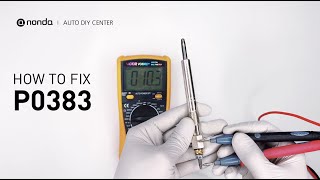
- Finally, I check each glow plug for continuity. Pull the connector, grab a test light or ohmmeter, and check resistance. Anything over 0.4 ohms or an open circuit means that glow plug’s toast and needs to go.
This is a two-person job if you want to make it easy-one on the key, one on the voltmeter. Always double-check your connections before moving on to the next test. That’s saved me plenty of wasted time over the years.
Common mistakes when fixing obd code P0383
I see folks make a handful of classic errors with this code. A big one? Swapping out all the glow plugs without ever checking the relay or control module. If the relay’s stuck or the module’s failed, brand new plugs won’t help a bit. Another one is ignoring the fuse or not checking for voltage drops across the relay-a quick check, but one that’s often skipped. Corroded or loose wiring is another sneaky culprit that gets overlooked. And don’t forget to check your battery first-a weak battery can throw off your entire diagnosis and have you chasing your tail. My advice? Don’t just clear the code and cross your fingers. Make sure you’ve actually fixed what’s wrong before you button things up.

Seriousness of ignoring P0383
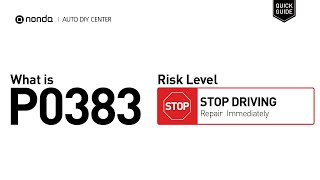
Let me be clear, ignoring a P0383 is asking for trouble. You’re risking hard starts, or worse, a no-start right when you need your truck most-usually on the coldest morning of the year. Unburned fuel can wash down the cylinder walls, leading to scoring and long-term engine wear. White smoke and rough running are your engine’s way of telling you combustion’s not right, and if you keep running it that way, you’re looking at bigger bills down the line. The relay, control module, and even the PCM itself can be damaged if the problem drags on. Bottom line: Don’t let this ride. It can spiral quickly, especially once winter shows up.
Repair steps for P0383 trouble code
Here’s what I’ve found works, both in my shop and according to factory repair procedures:
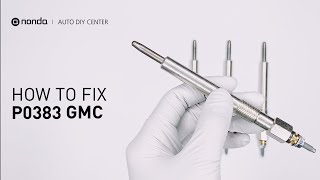
- Swap out any faulty glow plugs, and always use the exact type your engine calls for-don’t cut corners here.
- If the relay’s acting up-sticking, burned contacts, or heavy voltage drop-replace it.
- Repair or replace any wiring or connectors that are damaged, corroded, or not making good contact.
- If the fuse is blown, put in a new one-but find out why it blew, or you’ll be doing this again soon.
- When the control module or PCM isn’t grounding the relay, you’ll need to dig deeper-sometimes it needs replacement, but rule out everything else first.
- Check the oil temperature sensor, and swap it if it’s not reading right. It’s a small part that can cause big headaches.
I always tell people: Start with the basics-battery, fuse, relay, plugs. Only after you’ve ruled those out should you start looking at the pricier stuff like the control module or PCM.

Conclusion
So, P0383 means your diesel’s glow plug circuit isn’t getting enough juice, and if you ignore it, you could be stuck with a truck that won’t start when you need it most. Nine times out of ten, it’s worn glow plugs, a bad relay, or wiring issues behind it. Don’t wait-fixing it now can save you a ton of grief and cash down the road. My advice? Tackle the obvious: check your battery, fuse, relay, and plugs first. If that doesn’t do it, then it’s time to look at the control module. That’s the best shot at keeping your diesel starting strong, no matter what the weather throws your way.

 5481
5481 7 minutes of reading