
Main Causes of P0384 Code
From experience, the most common reasons for P0384 are pretty straightforward. Here’s what I usually find when I dig into this code:
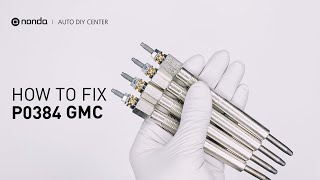
- Worn-out glow plugs (they typically last 30,000-40,000 miles before needing replacement)
- A faulty glow plug relay-sometimes it gets stuck or burns out, especially if it’s been overworked
- Problems with the glow plug control module or the PCM itself
- Wiring issues-damaged, corroded, or loose connections in the glow plug circuit
- A blown glow plug fuse
- Bad oil temperature sensor (since it helps control glow plug timing)
- Poor battery condition or low voltage, which can throw the whole system off
In cases like this, it’s usually a worn glow plug or a sticky relay, but I always check the wiring and fuses too-those can be sneaky.
Typical Symptoms of OBD2 Code P0384
When this code is active, you’ll probably notice a few things. Most often, the glow plug warning light will come on. You might find the engine is slow to start, especially in cold weather-or it might not start at all if it’s really chilly. Sometimes, even if it does start, you’ll hear a knocking sound until the engine warms up. White smoke from the exhaust is another giveaway, since unburned fuel is getting through. The engine can also run rough or misfire until it’s up to temperature. Basically, if your diesel is acting stubborn on startup and you see that warning light, this code is likely the culprit.

Step by Step Diagnosis for P0384
Here’s how I personally approach diagnosing P0384, step by step:
- First, I always check the battery. Make sure it’s fully charged and in good shape-a weak battery can cause all sorts of issues with the glow plug system.
- Next, I inspect the wiring and connectors for any obvious damage, corrosion, or loose connections. Don’t forget to check the fuse for the glow plugs-it’s an easy thing to miss.
- Then, I use a voltmeter to check voltage at the main power terminal of the glow plug relay. With the key on, have someone help you and check for voltage drop across the relay. If you see a drop of more than half a volt, the relay is probably bad and should be replaced.
- I also check for power coming from the ignition switch to the relay when the key is on. No power there means you’ve got an upstream issue.
- To test the relay itself, I’ll disconnect the oil temperature sensor and turn the key on-the relay should click if it’s working. If not, I’ll try manually grounding the relay’s control terminal. If it works then, the problem is likely in the control module or PCM.
- Finally, I test each glow plug for continuity. Remove the connector, use a test light or ohmmeter, and check resistance-each plug should read less than 0.4 ohms. Anything higher means the plug is bad.
It’s best to go step by step-don’t skip the basics, and if you’re not sure, it’s safer to have someone assist you, especially when working around batteries and high-current circuits.
Avoiding Common Mistakes with P0384 Trouble Code
I’ve seen a few common slip-ups with this code. One is replacing all the glow plugs without checking the relay or wiring-sometimes the plugs are fine, and it’s the relay or a bad connection causing trouble. Another is ignoring the battery-if it’s weak, you’ll chase your tail with other repairs. People also sometimes forget to check the fuse or overlook the oil temperature sensor, which plays a big role in glow plug timing. Skipping the voltage drop test on the relay is another mistake-just because it clicks doesn’t mean it’s working right. Take your time and check each part of the system before buying new parts.

How Serious is DTC P0384
This isn’t something you want to ignore. If you put it off, you could end up stranded, especially in cold weather. Hard starting puts extra strain on your battery and starter, and repeated failed starts can damage the glow plugs, relay, and even the control module. White smoke and rough running mean unburned fuel is getting into the exhaust, which can foul sensors and even damage your catalytic converter or DPF over time. Honestly, things can go south quickly if you overlook this-don’t risk getting stuck or causing bigger problems down the line.
Effective Repair Steps for P0384 Engine Code
Here’s what usually fixes P0384, based on what I see in the shop and in the official repair info:
- Replace any failed glow plugs (test them first-don’t just swap them all out)
- Install a new glow plug relay if it’s sticking, burned, or failing the voltage drop test
- Repair or replace any damaged wiring or corroded connectors in the glow plug circuit
- Replace the glow plug fuse if it’s blown
- Check and replace the oil temperature sensor if it’s not reading correctly
- If the glow plug control module or PCM is faulty, replace as needed (this is rare, but it happens)
- Always make sure the battery is fully charged and in good condition before finishing up
After repairs, clear the code and test the system to make sure everything’s working as it should.



Conclusion
P0384 means your diesel’s glow plug system isn’t working right, and that’s a big deal for starting-especially in cold weather. It’s best to tackle this code right away to avoid bigger headaches and expensive repairs. Start with the basics: check the battery, wiring, fuse, and relay, then test the glow plugs themselves. Most of the time, it’s a worn plug or a bad relay, but don’t overlook the wiring or sensors. Fixing it promptly keeps your engine happy and reliable, and you’ll avoid the risk of getting stranded or causing further damage. If you follow a step-by-step approach, you’ll get to the bottom of it and have your diesel starting strong again.
 3780
 6 minutes of reading