
Causes of P0386 trouble code
From my time under the hood, I can tell you P0386 usually pops up for a handful of familiar reasons. Here’s what I most often find when I’m chasing down this code:
- A crankshaft position sensor “B” that’s gone bad-these sensors don’t last forever, and I’ve seen plenty simply wear out.
- A reluctor ring that’s damaged-sometimes a tooth snaps off, or you get debris jammed in there.
- The reluctor ring has shifted or come loose from the crankshaft; I’ve seen this more than once, especially after engine work.
- Wiring headaches-think frayed wires, insulation that’s cracked, or connectors that just aren’t making a good connection.
- A short or open circuit in the wiring harness to the sensor.
Honestly, most of the time it’s a wiring or sensor failure, but don’t sleep on the mechanical side. If the car’s taken a beating or had engine repairs, that reluctor ring could be your culprit.
Symptoms of dtc P0386
When this code shows up, you’re bound to notice a few things fast. First, that check engine light won’t let you ignore it. But what really gets your attention is trouble starting the engine-or sometimes, it won’t fire up at all. I’ve seen engines stall out suddenly, even while cruising down the road. You might feel rough running or misfires, especially at idle. And sometimes, the problem comes and goes-the car acts fine for a stretch, then suddenly gives you grief. If you’re seeing stalling, no-start, or rough running, don’t brush it off. It’s a sign something critical needs your attention.

Diagnosis steps for P0386
Here’s the process I follow when I’m tracking down a P0386, step by step:
- First thing I do is check for obvious wiring problems. I’ll give the crankshaft position sensor “B” harness and connector a close look-broken wires, cracked insulation, or a connector that’s loose. Try gently wiggling the harness while watching for changes; you’d be surprised how often a bad connection shows up this way.
- Next, I make sure the connector is clean, corrosion-free, and snapped in tight. A busted locking tab or greenish corrosion can trip you up here.
- I always check the routing of the sensor wiring, too. If it’s run too close to spark plug wires, you can get interference that scrambles the signal.
- If everything looks good, I’ll hook up a scan tool or code reader and check if the RPM signal shows up while cranking. No RPM? That’s a red flag-the sensor probably isn’t sending a signal.
- If you’ve got a multimeter and your manual, check the sensor’s resistance. If it’s out of spec, that sensor’s likely toast.
- If the sensor looks fine, the next stop is the reluctor ring-missing teeth, debris, or if it’s shifted out of place. Sometimes you can’t see it without pulling some covers, but if you can, it’s worth a look.
- If all else fails and that code won’t leave, I’ll swap in a new sensor-especially on cars that randomly stall or won’t start, even after the wiring checks out.
Start simple, work your way up. And if you’re not comfortable with these steps or don’t have the right tools, don’t hesitate to call in some backup-it’s better than guessing and making things worse.
Common mistakes when fixing obd2 code P0386
A classic mistake I see is people reaching for a new sensor right away without checking the wiring or connector first. That’s a quick way to throw money down the drain if what you’ve really got is a broken wire or loose plug. Another one? Ignoring the reluctor ring-if it’s busted or out of place, swapping the sensor is just wishful thinking. And don’t forget, “A” and “B” sensors aren’t always the same, so grabbing the wrong part can set you back. Here’s a pro-tip from the garage: always start with the basics. Simple checks can save you hours of frustration.

Seriousness of the P0386 code
This code isn’t one to take lightly. If your crankshaft position sensor isn’t working, your engine could stall out at any moment or refuse to start altogether. That’s a real safety issue, especially if it happens in the middle of traffic. What I’ve often found is that ignoring this problem can lead to bigger headaches-unburned fuel from misfires will cook your catalytic converter, and constant stalling is tough on your starter and battery. Bottom line? You don’t want to get stranded or risk an accident over a sensor you could have fixed.
Repair solutions for obd code P0386
Here’s what usually solves it, based on what I’ve fixed in the bay and what the manuals back up:
- Repair or replace any wiring or connectors to the crankshaft position sensor “B” that look damaged or are making bad contact.
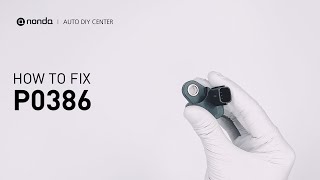
- Swap out the crankshaft position sensor “B” if it’s out of spec or obviously faulty.
- Clean off the reluctor ring, knock out any debris, and if teeth are missing or it’s shifted, repair or replace it as needed.
- Double-check that the sensor’s installed the right way and the connector’s locked in tight.
- Clear the code and take it for a test drive to make sure you’ve nailed the problem.
Just a heads-up: if the reluctor ring is buried deep inside the engine or transmission, you might want to let a pro handle that part. Sometimes, it’s just not worth the hassle (or busted knuckles) trying to get at it yourself.



Conclusion
If you’re seeing a P0386, your car’s computer isn’t getting a steady signal from the crankshaft position sensor “B”-and that can spell real trouble for your engine. Take this code seriously; it can leave you stranded or put you in a dangerous spot with sudden stalling. The smart play is to start with a thorough inspection of the wiring and sensor, check out the reluctor ring, and only swap parts as you find problems. Don’t put this off-the sooner you tackle it, the sooner your car will be back to running the way it should.

 4964
 6 minutes of reading