
Causes of P0388 code
From experience, the most common reasons I see for a p0388 code are:
- A faulty crankshaft position sensor (CKP) - this is by far the most frequent culprit.
- Damaged or shorted wiring going to the CKP sensor - sometimes oil or coolant leaks can get into the connectors and cause trouble.
- Corroded or contaminated connectors at the sensor - even a little bit of moisture or oil can throw things off.
- Problems with the PCM itself, or a software glitch - not as common, but it does happen.
- Overcharging from the alternator, which can mess with the PCM’s readings.
In cases like this, it’s usually best to start with the sensor and its wiring before jumping to bigger conclusions.
Symptoms of P0388 trouble code
If you’re dealing with this code, odds are you’ll spot some pretty clear warning signs. The most obvious? The engine refuses to start. On those rare occasions when it does fire up, you might notice the tachometer doesn’t budge when you’re cranking, or the engine stumbles and idles rough. I’ve watched plenty of cars with this code suffer from sluggish acceleration and a real dip in fuel economy. If your vehicle’s still running, don’t get comfortable-usually it’s just a matter of time before it strands you. These aren’t the kind of symptoms you want to shrug off.

Diagnosis with obd2 code P0388
This is how I like to approach a P0388 code-step by step, just like I’d do in my own shop:
- First off, give all the wiring and connectors to the crankshaft position sensor a good once-over. Look for signs of oil, coolant, or even power steering fluid that might’ve sneaked into the connectors. Any of those can chew up insulation and cause shorts or open circuits. Make sure every connector is clean and snapped in tight.
- Next, I always plug in a scan tool to grab any stored codes and freeze-frame data. That snapshot lets me know if the problem is a one-time fluke or something that keeps coming back.
- If the engine starts, I’ll take it for a quick spin to see if the code reappears. Sometimes a random glitch sets it off, but if it pops up again, I know it’s time to dig deeper.
- With the wiring diagram handy, check for the right reference voltage (you’re usually looking for 5 volts), a solid ground, and signal at the sensor connector. If that all checks out, it’s time to test the sensor.
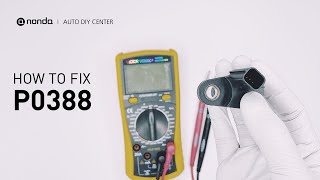
- Unplug the CKP sensor and use a digital volt/ohm meter (DVOM) to measure resistance against factory specs. If it’s out of range, swap it out-no sense in second-guessing a bad sensor.
- If the sensor passes the test, bust out the oscilloscope. Watch the signal pattern while cranking or running the engine. Spikes or weird dropouts? Try carefully wiggling the wiring-if the pattern changes, you’ve probably got a broken wire or bad connection.
- If everything looks solid at the sensor but the signal’s wonky at the PCM, you’ve likely got a wiring issue between the two.
- And if all else fails, I’ll consider a PCM problem or maybe a software update. That’s rare, but I’ve seen it happen.
Bottom line: always start with the basics before you get lost chasing gremlins.
Common Mistakes when fixing dtc P0388
A classic mistake I see is folks shelling out for a new PCM or other pricey parts before checking the simple stuff. One of the biggest missteps? Ignoring dirty or corroded connectors. Even just a drop of oil or a bit of moisture can trigger this code. Another blunder is not tracing the wiring all the way from the sensor back to the PCM-especially where it might chafe against the engine or bodywork. And don’t forget to do a resistance check on the sensor itself. Skipping that step can send you on a wild goose chase. Here’s a pro-tip: be methodical and double-check the basics first. It’ll save you time, money, and headaches.

Seriousness of obd code P0388
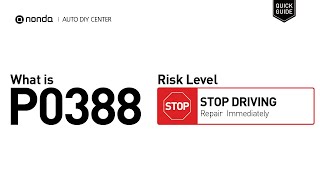
Let me be blunt: this is not a code you want to ignore. If the crankshaft position sensor isn’t doing its job, you might find yourself with a car that simply won’t start-or worse, one that stalls out of nowhere. That’s a real safety risk, especially if you’re out in traffic. Even if you manage to keep the engine running, you’re putting strain on your starter, draining your battery, and could even fry your PCM if you keep trying to start it with this problem. Things can go downhill fast with this one, so don’t put off getting it fixed.
Repair steps for P0388
Here’s how I usually fix a P0388 code, depending on what turns up during diagnostics:
- If the sensor itself is bad or out of spec, replace it. Simple as that.
- Any damaged wiring or sketchy connectors? Repair or swap them out.
- Clean up any connectors that have gotten oily, wet, or corroded. Make sure they’re bone dry and locked in tight.
- If the wiring and sensor check out, look into PCM updates-or in those rare cases, replace the PCM if it’s truly gone bad.
- Some automakers recommend replacing both crank and cam sensors together, so it’s worth digging through service bulletins for your specific ride.
The key is to follow a logical, step-by-step process and not just throw expensive parts at the problem.


Conclusion
To wrap things up, P0388 means your engine computer is seeing a high signal from the secondary crankshaft position sensor. That can leave you with a no-start, rough running, or a breakdown at the worst possible time. This isn’t a problem you want to put on the back burner. The best way to fix it is to start with a sharp inspection of the sensor, wiring, and connectors, then take it one step at a time with testing and repairs. Move quickly, work methodically, and you’ll get your car back on the road-and keep it there.
 4930
 6 minutes of reading