
Causes and obd code P0389
From my time diagnosing these issues in the shop, here’s what usually trips this code:
- The crankshaft position sensor itself goes bad-honestly, this is the big one, and it happens more often than you might think.
- Wiring gremlins-broken or frayed wires, shorts, or connectors caked with corrosion between the sensor and PCM. I’ve also seen oil and coolant sneak into connectors and wreak havoc.
- Connector issues-sometimes that plug isn’t seated right, gets dirty, or is swimming in fluid. Any of those will wreck your signal.
- PCM troubles-rare, but I’ve seen a handful of computers go flakey or need a reflash. Still, I wouldn’t make this your first suspect.
Honestly, in most cases, you’re looking at a tired sensor or compromised wiring, especially if your engine bay’s been exposed to leaks or just seen a lot of miles.
Symptoms and obd2 code P0389
So, what’s the car actually doing when this code shows up? Here’s what I’ve seen time and again:
- No start condition-by far the most common symptom. You turn the key, nothing happens.
- If it does fire up, maybe it’ll run rough, hesitate when you hit the gas, or just randomly stall.
- The tach needle? Sometimes it just sits there dead while you crank the engine.
- Gas mileage can take a dive, and the engine might feel sluggish or unresponsive.
If your car suddenly won’t start or acts like it’s lost its mojo, you’ve got a solid reason to suspect P0389.

Diagnosis and P0389 code
Let me walk you through the process I use every time this code comes up:
- First thing-look everything over with your own eyes. Check the wiring and sensor connector closely. I always inspect for broken or brittle wires, loose plugs, or goo from oil and coolant. Don’t skip looking underneath and around the sensor for anything out of place.
- If things look clean, I’ll plug in a scan tool and check for any other codes and snatch up freeze-frame data. This is a big help if the problem’s not always there.
- Next, I clear the code and see if it returns after a test drive or even just while trying to start the engine.
- If it’s back, time to grab the multimeter. I’ll test for proper voltage and ground at the sensor’s connector. Most run on a 5V reference, but always check your vehicle’s specs-manufacturers love to mix it up.
- Voltage and ground look good? Now I’ll check the sensor’s resistance against factory specs. Out of range? That sensor is toast.
- If the sensor passes, I’ll break out the oscilloscope and watch the signal pattern as the engine’s cranking or idling-looking for dropouts or glitches that a meter can’t catch.
- Good signal at the sensor, but nothing at the PCM? That’s a dead giveaway for a wiring problem somewhere in between. I’ll trace the harness, looking for those hidden breaks or shorts.
- If all else checks out, only then do I start thinking about a PCM fault, but honestly, that’s a last resort.
Pro-tip: have a buddy crank the engine while you test signals. And don’t even bother if your battery’s weak-voltage drops can throw off your readings and waste your time.
Common Mistakes with P0389
The classic blunder? Folks just swap out the sensor without ever looking at the wiring or connectors. Another big one is missing fluid leaks-oil or coolant in the connector will mess things up every time. I also see people skip using an oscilloscope, which means they can miss those sneaky, intermittent wiring faults. And whatever you do, don’t just clear the code and cross your fingers; if you don’t sort out the real cause, that code’s coming right back.

Seriousness of dtc P0389
This isn’t one of those codes you can brush off. Lose the crank signal and your engine might not start, or it could stall with no warning-imagine that happening in the middle of traffic. You risk getting stranded or, worse, losing power at the wrong time. Keep ignoring it, and you’re risking misfires, lousy gas mileage, and possible damage to your catalytic converter or other pricey engine parts if it keeps misfiring. In short, don’t wait-get it checked out right away.
Repair Solutions for P0389 trouble code
Here’s what’s worked time and again for me and what most manuals will steer you toward:
- Replace the crankshaft position sensor if it’s bad or doesn’t meet spec-this fixes it most of the time.
- Fix or swap out damaged wiring or connectors between the sensor and PCM.
- Clean any oil or coolant out of the plug, and chase down and repair the source of the leak if you find one.
- If you’ve ruled everything else out, reprogram or replace the PCM-but only after you’re sure.
- Some manufacturers say to replace both the crank and cam sensors together. Always double-check for technical bulletins or recalls on your vehicle.
And here’s a tip from the trenches: stick with OEM parts and follow the install steps to the letter. Cutting corners here just means you’ll be back under the hood sooner than you’d like.
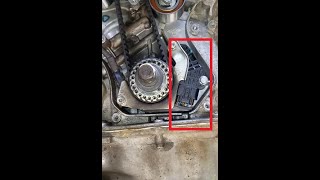

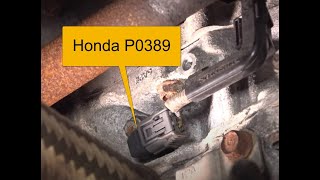

Conclusion
Bottom line, P0389 means your PCM is getting an unreliable signal from the secondary crankshaft position sensor. Don’t mess around with this one-it can leave you stranded or create a dangerous driving situation. The smartest approach is to do a detailed inspection of the sensor, wiring, and connectors, then test the sensor itself before you start thinking about pricier fixes. Don’t put this off-tackle it quickly, and you’ll save yourself a lot of headaches down the road.

 6111
 6 minutes of reading