When you see the P0390 code pop up, your car’s computer is basically telling you it can’t get a good read from the camshaft position sensor “B” on bank 2. Let me break that down: this little sensor is essential for letting the engine know precisely when to fire off those spark plugs and squirt in the fuel-if the timing’s off, nothing runs right. The sensor watches a tone ring spinning on the camshaft, and feeds that info straight to the powertrain control module (PCM). If the signal drops out or gets scrambled, the PCM loses its ability to keep the engine humming along smoothly, and that’s when this code gets triggered. This isn’t just some background detail; timing, smoothness, and even fuel mileage all hinge on this system working right. Think of it like flying blind-without this input, your engine’s guessing, and that never ends well.
DTC P0390
 5482
5482 6 minutes of reading
Causes and obd code P0390
Let me tell you, after years of chasing down P0390 codes, the culprit is usually a bad camshaft position sensor. But don’t jump to conclusions-wiring issues are right up there too, and I’ve lost count of how many times a simple broken wire or crusty connector was to blame. Sometimes, the tone ring the sensor reads off has seen better days: I’ve pulled a few out caked in gunk or with teeth missing. Every so often, the problem runs deeper. I’ve found issues with the variable valve timing system, or a timing chain that’s stretched just enough to throw everything out of sync. And though it’s rare, even the PCM itself can go south. Here’s what’s usually behind this code in my shop:
- Camshaft position sensor failure (hands-down, the most common)
- Tone ring that’s broken, filthy, or damaged
- Wiring headaches-anything from corroded pins to loose connections
- PCM acting up (doesn’t happen often, but it’s possible)
- Variable valve timing system trouble
- Timing chain that’s worn, stretched, or just not lined up right
Symptoms and P0390 engine code
If P0390 is lurking, you’ll spot that check engine light right away. But there’s usually more to it. From what I’ve seen in the bay, engines get harder to start, and sometimes refuse to fire up at all. When you do get it running, expect a rough idle, sluggish response, or hesitation when you push the pedal. Power drops off, and fuel economy heads south-you might notice you’re at the pump more often. These aren’t just little annoyances; they’re signs your engine is running on guesswork. Trust me, if you notice these symptoms, pay attention. Your car’s not just nagging you-something’s genuinely off.

Diagnosis and obd2 code P0390
Here’s my go-to process for tracking down a P0390. If you’re comfortable with some basic tools, you can follow along-just take your time and don’t skip steps. First off, never underestimate the easy stuff. I always start by:
- Checking the connector and wiring at the camshaft sensor “B” (bank 2). I’m looking for loose fits, green corrosion, or any sign of fraying. Sometimes, just unplugging and plugging back in does the trick.
- Taking a close look at the sensor itself. If it’s covered in grime or oil, I give it a good cleaning. You’d be amazed how often that solves it.
- Hooking up the scan tool-clear the code, run the engine, and see if it comes back. If it does, I break out the multimeter or oscilloscope to measure if the sensor’s sending the right signal.
- If the sensor checks out, I move on to the tone ring. I’m hunting for cracks, missing chunks, or a buildup that could block the sensor’s view.
- If all that looks solid, I check the timing chain and related hardware. A stretched chain messes up the whole show and will fool even a new sensor.
- And here’s a pro tip: If I’m seeing other codes-especially for the PCM or timing system-I know it’s time for a deeper dive or maybe even bringing in a specialist.
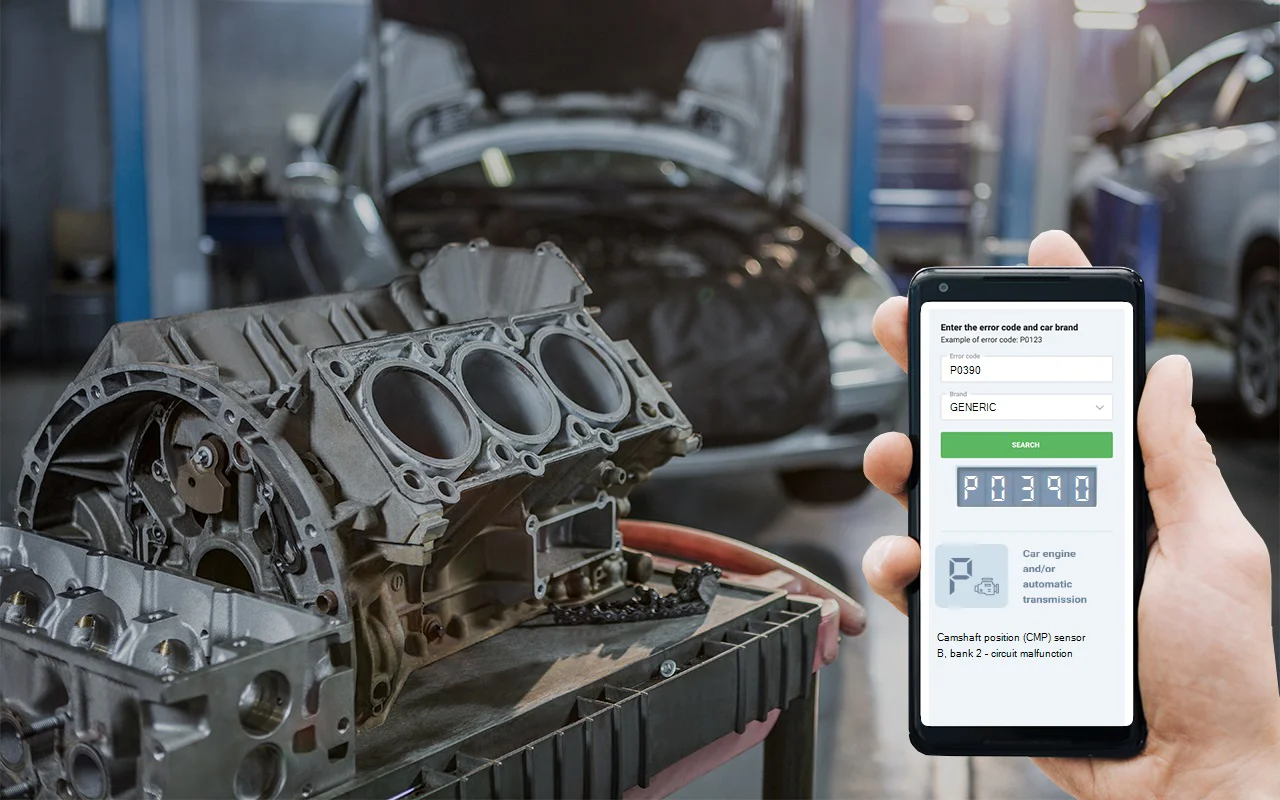
Common Mistakes with P0390
Here’s a classic blunder: swapping in a new camshaft sensor right off the bat, without even glancing at the wiring or tone ring. I see this all the time. Folks end up spending money and time, only to find out a $2 connector was the real issue. Skipping a visual inspection is another big one-sometimes a quick look is all it takes to spot a broken wire or a plug packed with dirt. And don’t sleep on the timing chain-especially if your ride has clocked a lot of miles. Ignoring that can really bite you later. Guesswork and shortcuts in troubleshooting just lead to frustration. Take the time to get it right the first round.

Seriousness and dtc P0390
Let me be blunt-this isn’t a code you can afford to ignore. If your engine can’t read the camshaft position, it’ll misfire, run rough, or sometimes not run at all. That could leave you stranded, or worse, create a safety risk if it happens on the road. Plus, letting it go can lead to bigger headaches, like a fried catalytic converter or even more costly engine damage because of bad combustion. Things can go downhill fast if you wait, so get on top of this as soon as you spot it.
Repair Steps and P0390 trouble code
In most cases, you’ll wind up replacing the camshaft position sensor “B” on bank 2. But don’t just jump to that. Here’s my step-by-step:
- First, fix or swap out any busted wiring or connectors you find
- If the tone ring is dirty or damaged, clean it up or put in a new one
- Address any timing chain or variable valve timing issues-don’t skip this if you spot trouble
- If you’ve ruled out everything else and the PCM is to blame, reprogramming or swapping it is your last resort
Conclusion
Bottom line? P0390 spells trouble for your engine’s ability to keep time, and that leads to all sorts of driveability headaches. From my years in the shop, I can tell you that starting with the basics-wiring, connectors, and the sensor-usually does the trick. If not, don’t be afraid to look deeper at the timing chain or even the PCM. Don’t put off tackling this code, because the risks just aren’t worth it. A careful, step-by-step diagnosis will save you both money and stress, and keep your engine running the way it should. Fix it right, fix it quick, and you’ll be back on the road in no time.