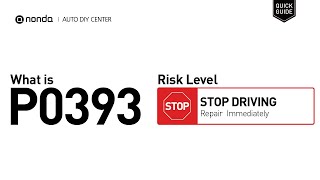
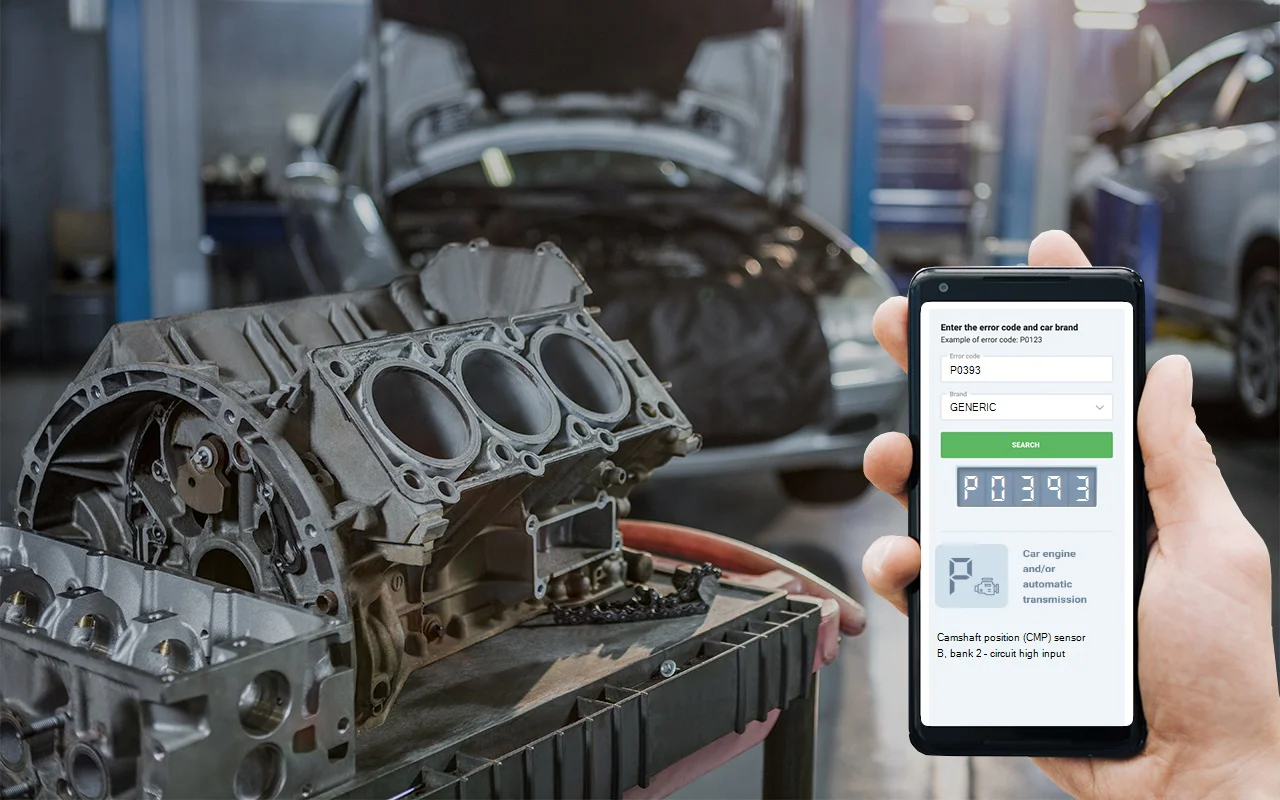
When you see a P0393 code pop up, your vehicle's computer is basically telling you it can't see the signal it expects from the camshaft position sensor “B” on bank 2. In my experience, this sensor is critical-it tells the engine’s computer exactly when to send fuel and fire off the spark plugs. Without it, you’re asking for rough running or worse. Bank 2 is the side of your engine that’s not home to cylinder number 1, which can trip up folks if you’re not sure where to look. At its core, this code points to an electrical issue. The computer is waiting for a signal, especially during startup, but isn’t getting it. Both the camshaft and crankshaft sensors work together to keep your engine’s timing on the money. If either acts up, things get out of sync in a hurry. You might even see related codes like P0390 or P0391 at the same time. While the exact repair steps can change depending on your car’s make or model, the underlying concept is pretty universal across most engines.
DTC P0393
 6309
6309 6 minutes of reading
Common Causes of P0393 Trouble Code
From my time under the hood, 90% of P0393 cases trace back to electrical gremlins in the wiring. Here’s what I typically find:
- An open or broken ground wire for the camshaft position sensor “B” on bank 2. This one’s a classic.
- A break or open in the signal wire between the sensor and the PCM-sometimes hidden deep in the harness.
- A short to 5 volts on the signal wire, which can wreak havoc on readings.
- Less often, the sensor itself fails internally and shorts out. Not as common, but it does happen.
If you asked me to bet, I’d put my money on a wiring or connector fault, but I’ve seen every one of these show up in the shop.
Main Symptoms of OBD2 Code P0393
When P0393 rears its head, here’s what you might run into:
- First and foremost, the check engine light flips on. Sometimes that’s your only clue.
- You might feel the engine surge or buck, especially when you hit the gas. Not a great feeling.
- Stalling can happen, though often the engine will fire right back up if the fault isn’t constant.
- Sometimes, everything seems fine until you turn off the engine-then it refuses to restart until the issue clears up.
These symptoms can jump around and be tough to pin down, so don’t shrug them off if they start showing up.

How to Diagnose a P0393 Code
Let me walk you through how I’d chase down a P0393, step by step:
- Start by checking for technical service bulletins (TSBs) tied to your specific car. Sometimes, the fix is as simple as a computer update-saves a lot of headache.
- Next, find both the camshaft and crankshaft position sensors. Since their power and ground circuits often overlap, make sure you check both for issues.
- Give the wiring and connectors a good look. I’m talking rubbed-through wires, exposed copper, melted insulation, or burn marks. Pull the connectors apart and eyeball the terminals-any sign of corrosion, burning, or even a greenish tint means trouble.
- If those terminals look grimy, hit them with some electrical contact cleaner. If you’re in a pinch, 91% rubbing alcohol and a soft brush works. Let everything dry out before plugging it back in, then add a dab of dielectric grease to keep moisture away.
- Once you’ve cleaned things up, clear the code with a scan tool and see if it returns. If it stays gone, you likely had a connection issue.
- If the code pops back up, grab your digital voltmeter and check the sensor’s power, ground, and signal circuits. Most of these sensors want to see 5 volts (sometimes 12V, depending on the setup). If you’re getting 12 volts where you shouldn’t, there’s a wiring fault or the PCM is acting up.
- Don’t forget the ground wire-use a test light clipped to battery positive and touch the ground. No light? You’ve got a ground problem. Try wiggling the harness while watching the light; sometimes the problem only shows up when things move.
- If all the wiring checks out, it’s time to test the sensor itself. Most P0393 codes show up with Hall effect (three-wire) sensors. If the sensor fails voltage or continuity checks, swap it out.
Here’s a pro-tip from the garage: Always start with wiring and connections. Nine times out of ten, that’s where the trouble is hiding.
Common Mistakes When Fixing a P0393 Engine Code
A classic mistake I see all the time? Folks pull the trigger on a new cam sensor before looking at the wiring or connectors. That’s a good way to burn cash with zero results. Skipping over TSBs or not checking for software updates bites a lot of people too-sometimes you just need a reflash, not a part swap. I also see people forget to check power and ground. Bad grounds are sneaky and cause all sorts of weird issues. Always get your connectors clean and shiny before you start replacing anything expensive.

How Serious Is an OBD Code P0393
Don’t treat this code lightly. If your cam sensor signal drops out, your engine might run rough, stall unexpectedly, or just refuse to start altogether. That’s not something you want happening in traffic or far from home. Letting this slide can also cause misfires, which puts your catalytic converter and other engine parts at risk. In other words, get on top of this fast before it snowballs into something much worse.
Repair Steps for DTC P0393
Here’s how I usually fix a P0393, based on what’s worked in real-world cases:
- Track down and repair (or replace) any damaged wiring or connectors leading to the camshaft position sensor “B” on bank 2.
- Clean the sensor’s contacts and hit them with dielectric grease for future protection.
- If everything looks solid electrically, go ahead and replace the camshaft position sensor itself.
- Check for any manufacturer software updates or TSBs that might apply, and get those handled if needed.
- On rare occasions, if you find a persistent short to voltage or power issue, you might have to repair or swap out the PCM.
Start with the basics-wiring and connectors. Nine times out of ten, that’s where the fix is hiding.
Conclusion
Bottom line: P0393 means your computer isn’t hearing from the camshaft position sensor “B” on bank 2, and that can lead to anything from a simple check engine light to stalling or no-start headaches. This isn’t something to put off-getting stranded or risking engine damage just isn’t worth it. The best approach is a thorough check and cleaning of wiring and connectors before you even think about swapping out parts. Take care of it quickly, and your car will thank you with smooth, reliable running.