
Common Causes of P040A Trouble Code
From my time under the hood, I can tell you the P040A code usually pops up because of a handful of usual suspects. Here’s what I run into most often in the shop:
- A worn out or failed EGR temperature sensor-these guys live in one of the harshest spots imaginable, so they’re bound to give up sooner or later.
- A gasket that’s blown or leaking right where the sensor mounts, letting exhaust gases slip out and throw off the readings.
- An exhaust pipe that’s cracked or leaking in the same area as the sensor.
- Wiring harnesses that have been roasted or melted by all that engine heat. It doesn’t take much to fry plastic insulation near the exhaust.
- Broken, shorted, or corroded wires running to the sensor. Even a tiny nick or bit of corrosion can mess things up.
- A connector at the sensor that’s damaged, loose, or full of crud.
- Once in a blue moon, you’ll see a glitchy engine computer (ECM) or a poor connection somewhere else in the circuit.
Nine times out of ten, it’s something straightforward. But I’ve run into all of these at one point or another, so don’t rule anything out. By the way, this issue isn’t picky about brands-I’ve dealt with it on Ford, Renault, and Mercedes more than once.
Symptoms Associated with OBD2 Code P040A
When the P040A code is lurking, your car might try to tip you off. The big giveaway? Failing an emissions or smog check-if you’re due for one, this code is almost a guaranteed fail. Sometimes you’ll hear the engine making a racket; extra knocking, rattling, or just an exhaust that suddenly sounds beefier. Every now and then, there’s a sharp, raw exhaust smell that’s hard to miss. Oddly enough, plenty of folks don’t notice a thing until that check engine light stares back at them. Still, if you catch any weird noises or an exhaust smell that wasn’t there before, don’t brush it off.

Diagnosis Process for OBD Code P040A
Let me walk you through how I’d hunt down a P040A code, step by step. First off, I always start by giving that EGR temperature sensor and its neighborhood a good, hard look. Keep an eye out for black soot-it’s a dead giveaway for an exhaust leak. Check that neither the sensor nor its wiring has been cooked by the engine heat, and don’t forget to peek at the connector for any signs of corrosion or pins that look out of place. Here’s a pro tip: give those wires a gentle wiggle while watching your scan tool or meter; sometimes, a hidden break will show up only when you move things around. If nothing jumps out, it’s time to break out the multimeter. I check resistance across the sensor terminals and compare it to the specs in your car’s service manual. If the numbers are way off, your sensor’s likely toast. Don’t stop there, though-check that the wiring from the sensor all the way back to the ECM isn’t broken or shorted out. If the wiring and the sensor both check out, it’s worth inspecting the EGR system for heavy carbon buildup. Cleaning out the sensor and EGR passages can sometimes clear things up, but be gentle-those sensors can seize and snap if you’re not careful. If you’re not confident about this part, don’t risk it-get someone who’s done it before to help out.
Common Mistakes When Addressing P040A
There are a couple of classic blunders I see all the time when folks chase down a P040A code. The big one? Swapping the sensor right away without taking a minute to check for cooked wiring or a leaky exhaust. Another is missing a bad gasket or a cracked pipe at the sensor mount-both can throw off your readings and waste your time (and money). Skipping a good carbon clean-out of the EGR system is another common oversight, even though gunk buildup is a regular cause. And here’s a warning from the trenches: don’t get impatient and snap the sensor off in the manifold. I’ve seen guys turn a simple fix into a nightmare by rushing. Last but not least, don’t just clear the code and cross your fingers. That’s wishful thinking, not real repair.

How Serious Is DTC P040A
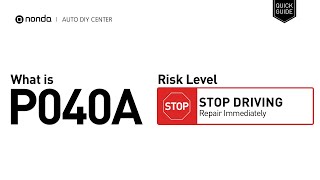
While a P040A code usually won’t leave you stranded, it’s not something you want to ignore. If you let it slide, you’re asking for poor fuel mileage, extra emissions, and-if you’re really unlucky-costly damage to the EGR system or even the catalytic converter. Exhaust leaks can also let super-hot gases blast out where they shouldn’t, frying wires and cooking nearby parts. Honestly, it’s risky to let this sit, especially if your car starts smelling like exhaust inside or the engine’s getting noisy. And if you drive something like a Peugeot, you might see this tied to the sa 16 dtc p040a13 error. Bottom line? Don’t procrastinate. Small problems can snowball fast.
Recommended Repair Steps for P040A Code
If you’re tackling this one yourself, here’s my go-to game plan. Start by replacing the EGR temperature sensor if it’s bad. Fix up any toasted wiring, swap out damaged connectors, and make sure there aren’t any exhaust leaks at the sensor or in the nearby pipe. Spot a leaking gasket? Get a fresh one in there. Cracked exhaust pipe? Time for a patch or replacement. If you find a bunch of carbon buildup, carefully clean the sensor and EGR passages-just don’t force anything or you’ll break the sensor off (trust me, it’s easier than you think). Once you’ve wrapped up the repairs, clear the code and take the car for a spin to make sure it stays gone. If you find out the ECM or some deeper wiring is to blame, that’s when it’s smart to call in a pro. But most of the time, fixing a P040A is pretty straightforward if you don’t rush.


Conclusion
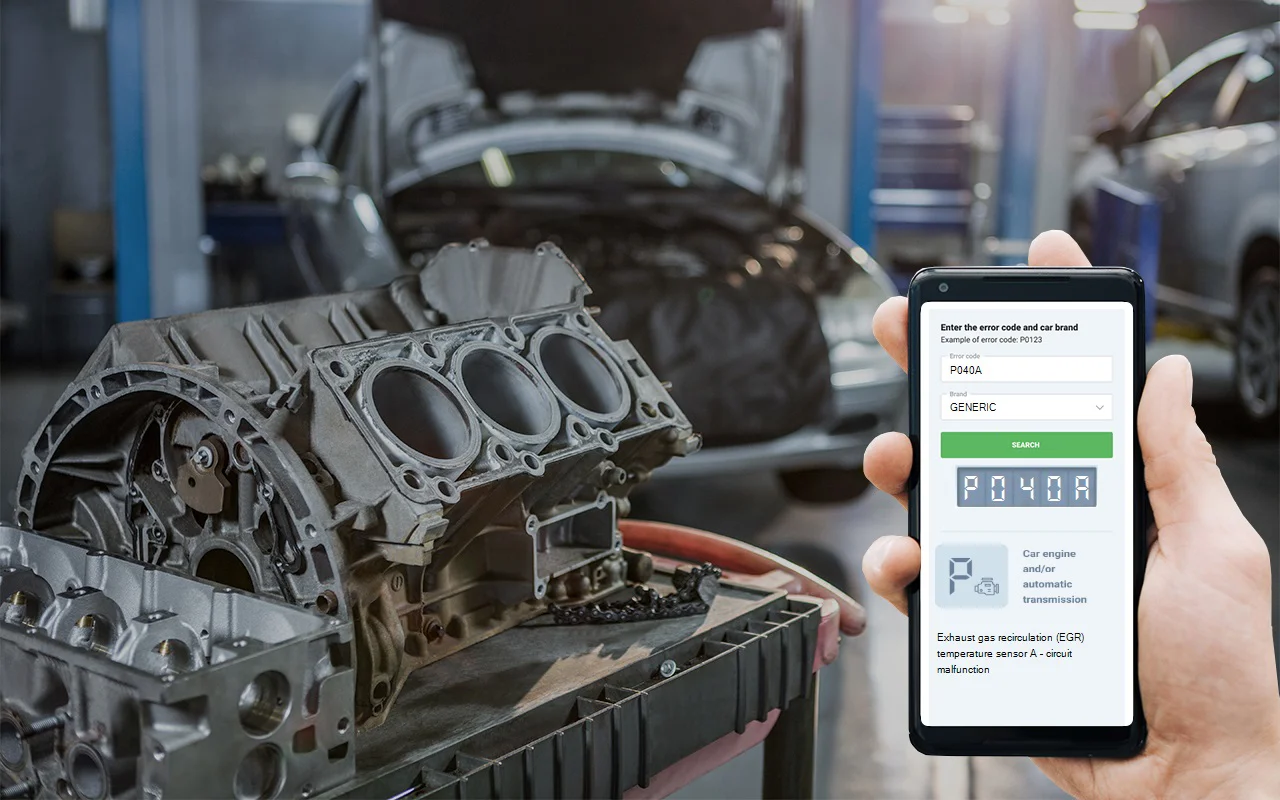
Wrapping it up, the P040A code means your EGR temperature sensor circuit isn’t doing its job, which can mess with emissions and your engine’s efficiency. It won’t usually leave you stranded, but ignoring it is asking for trouble down the line. Begin with the basics: check for leaks, look for wiring or sensor issues, and don’t skip a good visual inspection. Most times, a new sensor or fixing a bad wire will fix you right up. And if you’re ever in doubt, get it checked by someone with experience-better to play it safe when you’re dealing with hot exhaust and your engine’s health.
 3613
3613 7 minutes of reading