
Main Causes of obd2 code P040B
In my experience, there’s a usual lineup of troublemakers when you’re chasing down a P040B. Here’s what you’ll want to look for first:
- A worn-out or gummed-up EGR temperature sensor-this one’s top of the list, since sensors get hammered by heat and soot over time
- Gasket leaks around the sensor, which let exhaust slip out where it shouldn’t
- Cracks or leaks in the exhaust pipe where the sensor sits
- Heat-damaged, burned, or melted wiring and connectors-this area gets hot enough to toast anything plastic or rubber
- Broken or shorted wires from insulation breaking down after years of cooking
- Corroded or shaky electrical connections
- Very rarely, the issue goes deeper and the ECM (engine computer) itself is the culprit
Honestly, most times I spot this code, it boils down to a dead sensor or fried wires cooked by all that exhaust heat. I’ve seen this happen on Fords, Renaults, Audis-the list goes on.
Recognizing Symptoms of obd code P040B
When this code’s set, the signs can be easy to miss unless you’re paying close attention. The big giveaway is usually flunking an emissions or smog test-P040B almost always trips those up. Sometimes, you’ll hear the engine making odd sounds-pinging, knocking, or just a bit more racket than usual. The exhaust note might get a little throatier, and every so often, you might catch a stronger whiff of exhaust. But here’s the thing: a lot of folks don’t notice a thing until that check engine light jumps out at them. My advice? Don’t ignore it, even if your car feels like it’s running just fine. That light’s there for a reason.

Steps for Diagnosing a P040B code
Here’s how I like to get to the bottom of a P040B code, step by step:
- First up, I always do a thorough visual check. Pop the hood and eyeball the EGR temp sensor and surrounding wiring. Look for burnt spots, melted plastic, loose connectors, or black soot around the sensor-soot is a dead giveaway for leaks.
- Next, I look and feel for exhaust leaks in that area. Even a pinhole leak can mess with sensor readings. If you spot soot or catch a whiff of exhaust where it doesn’t belong, you’re on the right trail.
- Then, I test the sensor itself. If you’re comfortable with a multimeter, check the sensor’s resistance and compare it to your car’s specs. If it’s way out of line, you’ve probably found your culprit.
- If the sensor checks out, move on to the wiring. I like to gently wiggle the wires and connectors while watching the sensor data live on a scan tool-if the numbers jump, you’ve got a wiring gremlin.
- Sometimes, the sensor’s just caked with soot. In those cases, I carefully pull it (be patient-sometimes they seize and snap off, and that’s a real headache) and clean it with carb cleaner and a wire brush. Go easy so you don’t make things worse.
- If after all that the code won’t die, it’s time to dig into the ECM or chase down issues deeper in the harness. But honestly, those are rare birds.
My motto: always start simple before you start tearing into wiring or computers. The basics save time and money.
Common Mistakes When Handling a P040B trouble code
A classic mistake I see-folks go straight for a new EGR temperature sensor without even checking the wiring or searching for exhaust leaks. That’s a surefire way to spend cash and fix nothing. Another slip-up? Not waiting for the engine and exhaust to cool off before you get your hands in there. Trust me, those burns are no joke. And don’t overlook the sensor’s connector-corrosion or a loose pin can cause all sorts of headaches. Skipping a careful visual check is, hands down, the biggest misstep I see time and again.

How Serious is the P040B engine code
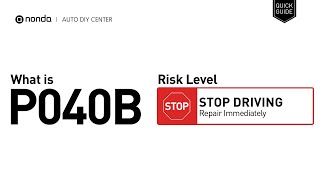
Now, while P040B won’t leave you stranded on the side of the road, ignoring it is rolling the dice. Let it go too long and you’ll see higher emissions, possible engine knock, and even damage to EGR parts and exhaust bits. Exhaust leaks can even let dangerous fumes into your cabin-not something you want for yourself or your passengers. And if you’ve got a smog test coming up, this code will almost always be a deal-breaker. Bottom line: don’t put this one on the back burner. Take care of it before a minor fix turns into a big headache.
Repair Solutions for dtc P040B
Here’s what usually gets a P040B sorted, based on what I’ve handled in the shop:
- Swapping out a faulty EGR temperature sensor
- Fixing or replacing any wiring or connectors that have been cooked or damaged
- Sealing up exhaust leaks around the sensor or in the nearby piping
- Cleaning the sensor and EGR passages if they’re packed with soot
- On rare occasions, repairing or replacing the ECM if it’s the troublemaker
Once repairs are made, I always clear the code and take the car for a spin to make sure it’s truly fixed. Sometimes you’ll run into a related issue, like sa 16 dtc p040b64-which tends to have similar root causes and repair steps.


Conclusion
So, at the end of the day, P040B means your EGR temperature sensor isn’t doing its job, and that can throw your emissions and engine performance out of whack. It’s not the scariest code on the list, but you don’t want to let it slide. Start by checking the basics-sensor, wiring, and exhaust for leaks or damage. Most of the time, a new sensor or a simple wiring fix puts things right. And remember: don’t shrug off that check engine light. Get it sorted now, and you’ll save yourself a whole lot of trouble down the line.

 4995
4995 6 minutes of reading