
Causes of P040C
From my time under the hood, these are the usual suspects behind a P040C code:
- A worn-out or malfunctioning EGR temperature sensor-this one’s at the top of the list more often than not
- A leaking gasket at the EGR temp sensor-never overlook the small stuff
- Cracks or leaks in the exhaust pipe near where the sensor threads in
- Wiring or harnesses that have been toasted, melted, or gone brittle from all that heat
- Wires that are broken, shorted, or corroded-sometimes the problem is hiding in plain sight
- A sensor connector that’s seen better days
- Very rarely, a fault in the ECM itself
- Loose, dirty, or corroded electrical connections anywhere in the circuit
Nine times out of ten, heat is the enemy here. The sensor and wiring are in a brutal spot, so that’s where I’d start looking first. Check those areas closely before moving on.
Symptoms of P040C trouble code
If your vehicle’s got a P040C, you might run into a few telltale issues:
- Failing a smog or emissions test, even if everything else seems fine
- Strange noises from the engine bay-think knocking, pinging, or rattling
- A louder exhaust note than you’re used to hearing
- Exhaust smells that are harsher or more pungent than normal
But here’s the kicker: sometimes, the only sign is that stubborn check engine light. Don’t make the mistake of ignoring it just because the car “feels” fine. This code means your emissions system isn’t working the way it should.

Diagnosis steps for dtc P040C
Whenever I’m chasing down a P040C, here’s the process I trust in the garage:
- Start with a close-up visual inspection. Pop the hood and zero in on the EGR temp sensor and its wiring. Look for black soot (that’s exhaust leaking), and check for melted, crispy, or chewed-up wires and connectors. And a word to the wise: exhaust components stay hot for a long time, so watch your fingers.
- If things look good, check for carbon buildup. Over the years, I’ve seen EGR passages get so clogged they choke the system. Sometimes, giving the sensor and passages a thorough cleaning is all it takes. Be gentle when removing the sensor-they love to seize up. Use a little penetrating oil and take your time. Once it’s out, a soak in carb cleaner and a wire brush can clean stubborn gunk. Always use anti-seize on the threads before you put it back-your future self will thank you.
- Next, break out the multimeter. Check the sensor’s resistance against factory specs. If it’s out of range or dead, there’s your culprit. Good sensor? Then move on to the wiring-test for continuity, shorts, or opens all the way back to the ECM connector.
- Still stumped? Only then do I consider the ECM, but honestly, it’s almost never to blame.
If you’re not comfortable around hot exhaust or wiring, don’t hesitate to have a buddy help out or take it to a pro. And never skip checking your vehicle’s service manual-manufacturers love to do things their own way, and small details can make a big difference.
Common mistakes when fixing P040C code
A classic mistake I see: folks skip the basics and just throw parts at the car. Swapping out the sensor without even glancing at the wiring or checking for exhaust leaks is a waste of time and money. Another misstep? Ignoring carbon buildup-dirty EGR passages can mimic a bad sensor. I’ve also watched people snap these sensors off in the manifold by muscling them out. Slow and steady wins this race. And don’t forget about the connector and wiring-they’re easy to miss but cause more grief than you’d think.

Seriousness of P040C engine code
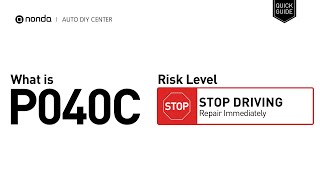
While P040C usually won’t leave you stranded on the side of the road, it’s not something to brush off. Letting it go can mean higher emissions, failed inspections, and eventually, rougher running or engine knock. I’ve seen neglected exhaust leaks or bad sensors turn into expensive repairs-damaged catalytic converters and ruined EGR valves aren’t cheap. Bottom line: fix it sooner rather than later. It’ll save you a headache, and probably your wallet, too.
Repair solutions for obd code P040C
Here’s my go-to game plan for fixing a P040C:
- Swap out the EGR temperature sensor if it’s showing bad readings or is physically damaged
- Repair or replace any wiring, connectors, or harnesses that look worse for wear
- Track down and seal up any exhaust leaks near the sensor-replace gaskets, weld or patch cracks, or fit new pipes if needed
- If you spot heavy carbon deposits, clean the EGR sensor and passages
- Once you’ve made your fixes, clear the code and take the car for a spin to verify the repair
Every now and then you might run into a faulty ECM, but that’s a rare bird. Only go there after you’ve ruled everything else out.
Conclusion
In short, P040C tells you the EGR temperature sensor isn’t talking to the ECM like it should-usually because of a bad sensor, crusty wiring, or a sneaky exhaust leak. It’s not the scariest code out there, but letting it slide can lead to a pile of bigger problems down the road. My advice? Always start with a sharp-eyed inspection, tackle the obvious stuff, and swap the sensor if you have to. Don’t put it off-fixing it now will save you cash, hassle, and plenty of frustration later on.

 5854
5854 6 minutes of reading