
Causes Related to OBD Code P0413
From what I’ve seen in the shop, there are a handful of usual suspects when it comes to this issue. Most often the problem is with the wiring or connectors in the SAI system-these can get damaged, corroded, or just plain worn out. In colder climates, I’ve run into frozen SAI pumps, which can get stuck if condensation freezes inside. Other common causes include a faulty SAI pump, a bad relay, or a pressure sensor that’s gone bad. Here’s a quick rundown of what I usually check first:
- Burned out or broken wiring/connectors in the SAI system
- Frozen or seized SAI pump (especially in cold weather)
- Faulty SAI pump
- Bad SAI pump relay
- Defective SAI pressure sensor
Symptoms of OBD2 Code P0413
Honestly, most drivers won’t notice much when this code is active. The car usually runs just fine, and you might not feel or hear anything out of the ordinary. Sometimes, though, you might hear a hissing or puffing sound from the SAI pipes or pump, or a loud whining noise from the pump itself. But for the most part, the main clue is that check engine light staring you in the face.

Diagnosis Steps for P0413 Engine Code
Here’s how I usually tackle this code, step by step. I always recommend starting with the basics before diving into anything complicated. First, I check all the wiring and connectors in the SAI system-look for anything that’s burned, broken, or corroded. If your SAI pump is belt-driven, don’t forget to check the serpentine belt for wear or damage, and make sure the pump spins freely by hand. If the pump is electric, I always check the system fuses and relays next. If everything looks good visually, I’ll hook up a scan tool to pull any stored codes and freeze frame data-this can give clues about what was happening when the code set. After clearing the codes, I’ll test drive the car to see if the issue comes back. If it does, I use the scan tool to command the SAI pump on and off, then use a voltmeter to check for power and ground at the pump. If there’s no voltage, I suspect a blown fuse or bad relay. If those check out, I’ll use the voltmeter to check for an open circuit between the power source and the pump. For ground issues, I’ll track down the ground point and check for voltage drop. Finally, I’ll test the SAI pressure sensor using the voltmeter and the specs from the service manual. It’s better to have someone assist you with some of these checks, especially when working under the hood with the engine running.
Common Mistakes When Fixing P0413
In cases like this, I’ve seen folks jump straight to replacing the SAI pump without checking the wiring or relays first-that’s a surefire way to waste money. Another common mistake is overlooking a frozen pump in cold weather, or not realizing a blown fuse is usually a symptom, not the root cause. Skipping the basic visual inspection is another big one. Always start simple before replacing expensive parts.

Seriousness of Driving With P0413 Code
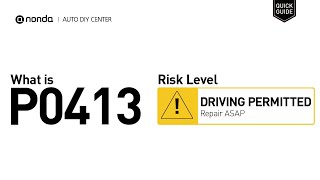
While this code won’t leave you stranded or cause immediate engine damage, it’s not something to ignore forever. The SAI system is there to keep emissions in check, so driving with this code active could cause your car to fail an emissions test. Over time, if the pump is stuck or the wiring is shorted, it could lead to blown fuses, damaged relays, or even a burned-out pump. You don’t want this kind of trouble piling up, especially if you live in an area with strict emissions rules. Don’t put this off for later-fixing it now can save you headaches down the road.
Repair Solutions for DTC P0413
Here’s what I usually do to fix this code, based on what the diagnosis turns up. If the wiring or connectors are damaged, I repair or replace them. If the pump is frozen, I make sure it’s thawed out and check the one-way valve to prevent future freezing. If the pump itself is faulty, it’ll need to be replaced. Same goes for a bad relay or pressure sensor. If the serpentine belt is worn or missing (for belt-driven pumps), I replace it and make sure the pump spins freely. And of course, I always clear the codes and test the system after repairs to make sure everything’s working as it should.


Conclusion
To sum it up, P0413 means your car’s computer has found a problem with the secondary air injection switching valve circuit. It’s usually not a critical issue for driving, but it does affect emissions and can lead to bigger problems if ignored. My advice: start with a thorough inspection of the wiring, connectors, and fuses, then move on to the pump, relay, and sensors if needed. Fixing the root cause now is the most reliable way to keep your car running clean and trouble-free.
 5494
5494 6 minutes of reading