
Causes of P041D
In my experience, when a p041d code shows up, it’s usually one of these culprits causing trouble:
- A worn-out or failing EGR temperature sensor
- A gasket at the EGR temp sensor that isn’t sealing properly
- An exhaust pipe that’s cracked or leaking right where the sensor mounts
- Wires or the sensor itself that have taken a beating from intense heat
- Wiring in the sensor’s circuit that’s broken, shorted, or corroded
- A connector at the sensor that’s damaged or loose
- The ECM itself acting up, though that’s a rare one
- Poor or loose electrical connections anywhere in the circuit
Most of the time, it’s heat damage to the sensor or the wiring that’s at the root of the problem. That area gets cooked, trust me.
Symptoms and dtc P041D
When I’m dealing with a dtc p041d, here’s what I tell folks to look for. First off, failing a smog or emissions test is almost a given-this code will light up your check engine light in a hurry. Sometimes, you might catch your engine making odd sounds-knocking or pinging aren’t unusual. You might also hear the exhaust sounding a bit rowdier than normal, or even notice a stronger exhaust odor. On the flip side, sometimes you won’t feel a thing while driving, but that check engine light is still letting you know something’s off. Don’t ignore it.

Diagnosis Process for obd2 code P041D
Here’s how I’d track down an obd2 code p041d if you rolled your car into my shop:
- Start simple: pop the hood and give the EGR temp sensor and surrounding EGR system a close look. If you spot black soot around the sensor, that’s a dead giveaway something’s leaking.
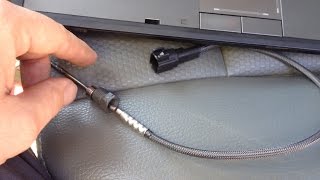
- Check over the sensor and its wiring. That spot gets so hot that wires can get brittle, melt, or just snap. Don’t forget to pull the connector apart and look for green corrosion or loose pins.
- If it all looks good, get the sensor out. Heads up-these can seize up from rust and heat, so don’t force it. A little heat or penetrating oil can help. If you’re not confident, let a pro handle it so you don’t snap it off in the pipe.
- Clean any soot or carbon off the sensor with carb cleaner and a wire brush. If it’s really caked on, the sensor can’t read right.
- Thread the sensor back in with a dab of anti-seize to save yourself grief next time.
- Use a multimeter to check the sensor’s resistance and compare it to what your service manual says. Out-of-spec? Time for a new sensor.
- If the sensor tests fine, move on to the wiring, then the ECM and connections. Honestly, it’s almost never the ECM, but you can’t rule it out until everything else is checked.
Pro-tip: get someone to wiggle the wires while you watch the live data on your scan tool. If the readings jump, you probably have a wiring issue or a loose connector.
Common Mistakes When Fixing obd code P041D
A classic mistake I see all the time? Folks rush to swap out the sensor, only to find out the wiring or even a little exhaust leak was the real troublemaker. Another common slip-up is skipping the cleaning step-soot can fool the sensor and throw off your diagnosis. I’ve lost count of how many times people forget to check for corrosion or loose pins at the connector, and that can create all sorts of electrical gremlins. My advice? Take your time and work through the basics before you start spending money on new parts.

How Serious is a P041D Trouble Code
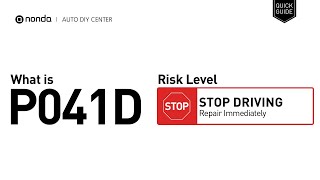
While P041D won’t leave you stranded on the side of the road, it’s not something you want to shrug off. If you let it go, your emissions are going up, and you’re almost guaranteed to flunk your next inspection. Plus, if there’s an exhaust leak by the sensor, that hot gas can start causing damage in places you don’t want. Bottom line: sort it out sooner rather than later, or you might end up with a much bigger repair bill.
P041D Code Repair Steps
Here’s my go-to game plan for fixing a p041d code:
- If the EGR temp sensor is bad or reading out of spec, swap it for a new one
- Clean both the sensor and the area where it mounts if you spot soot or carbon buildup
- Repair or replace any wiring or connectors that look heat-damaged or corroded
- If the gasket at the sensor is leaking, put in a fresh one
- Patch up any exhaust leaks near the sensor-it makes a big difference
- If, on the off chance, the ECM is at fault, repair or replace it as needed (but that’s rare in the real world)
Don’t forget to clear the code and take the car for a spin to make sure the fix sticks.

Conclusion
All said and done, P041D boils down to your EGR temperature sensor B circuit sending high readings-most of the time, it’s a beat-up sensor, bad wiring, or an exhaust leak to blame. While it won’t leave you stranded, letting it ride can snowball into failed emissions tests and bigger headaches. My advice after years in the garage? Start with a thorough visual check and cleaning, then move on to electrical testing. Nine times out of ten, a new sensor or wiring fix gets you back on track. Stay ahead of it, and you’ll save yourself time, money, and hassle.

 4905
4905 6 minutes of reading