Alright, let me break down what P0429 actually means for your vehicle. This code pops up when there’s a problem with the catalyst heater control circuit on what’s called Bank 1 of your engine. In plain English, your car’s computer (the PCM) is keeping an eye on the catalytic converter’s heating system. That heater is there to help the catalytic converter warm up quickly, so it can start cleaning up harmful exhaust gases right away-even when you first start the car. If the PCM notices that the heater isn’t working right, or it sees something odd in the electrical circuit, it’ll trigger this code. The system also keeps tabs on the oxygen levels before and after the catalytic converter using O2 sensors. If those readings are too similar, or if there’s an electrical hiccup, that’s another reason for the code to show up. The whole point of this setup is to keep emissions low and your car running clean, especially during cold starts.
DTC P0429
 5806
5806 6 minutes of reading
P0429 code Causes
From what I’ve seen in the shop and what the official manuals say, there are a handful of usual suspects behind a P0429 code. Most often the issue is with one of the sensors or the wiring. Here’s what I typically find:
- Bad exhaust temperature sensor - This one comes up a lot. If it’s not reading correctly, the system can’t tell if the catalyst is heating up as it should.
- Damaged wiring or connectors - Corrosion, broken wires, or loose plugs can easily mess with the circuit.
- Faulty oxygen (O2) sensors - These are crucial for monitoring the exhaust gases, and if they’re not working, the PCM gets confused.
- Malfunctioning catalytic converter - Sometimes the heater element inside the converter itself fails.
- Exhaust leaks - Even a small leak can throw off the readings and trigger this code.
In cases like this, it’s usually one of these issues, so I always start my checks here.
dtc P0429 Symptoms
When this code is active, you’ll probably notice a couple of things. The most obvious is the check engine light coming on-hard to miss that one. Besides that, most drivers tell me they’re getting worse gas mileage than usual. That’s about it for symptoms with P0429. You probably won’t feel any difference in how the car drives, but your wallet might notice the extra fuel stops.

obd code P0429 Diagnosis
Let me walk you through how I tackle a P0429 code, straight from my own experience in the garage. First, don't overthink it-start by popping the hood and checking the wiring and connectors around the catalytic converter and nearby sensors. Look for crusty corrosion, cracked insulation, or any plugs hanging on by a thread. A pro-tip: have a buddy wiggle those connectors while you watch the scan tool or check engine light-sometimes a loose pin only acts up when moved. Next, I’ll plug in a scan tool and see if any other codes are hiding in there; often, a related code can give you an extra clue. After that, grab your multimeter. I always check the exhaust temp sensor and both O2 sensors against the specs in the service manual. Even if they seem okay, don’t skip this step-you’d be surprised how often a sensor is just slightly out of range. If those pass, take a look at the catalytic converter itself for any obvious signs of damage or overheating. And here’s something folks often overlook: exhaust leaks. Listen for a faint hissing or run your hand (carefully) near joints and gaskets to feel for escaping air. If you’ve worked through all that and still haven’t found the culprit, it’s time to test the heater circuit directly for proper voltage and continuity. Work methodically, and don’t be tempted to skip steps-every detail counts when you’re chasing down electrical gremlins like this.
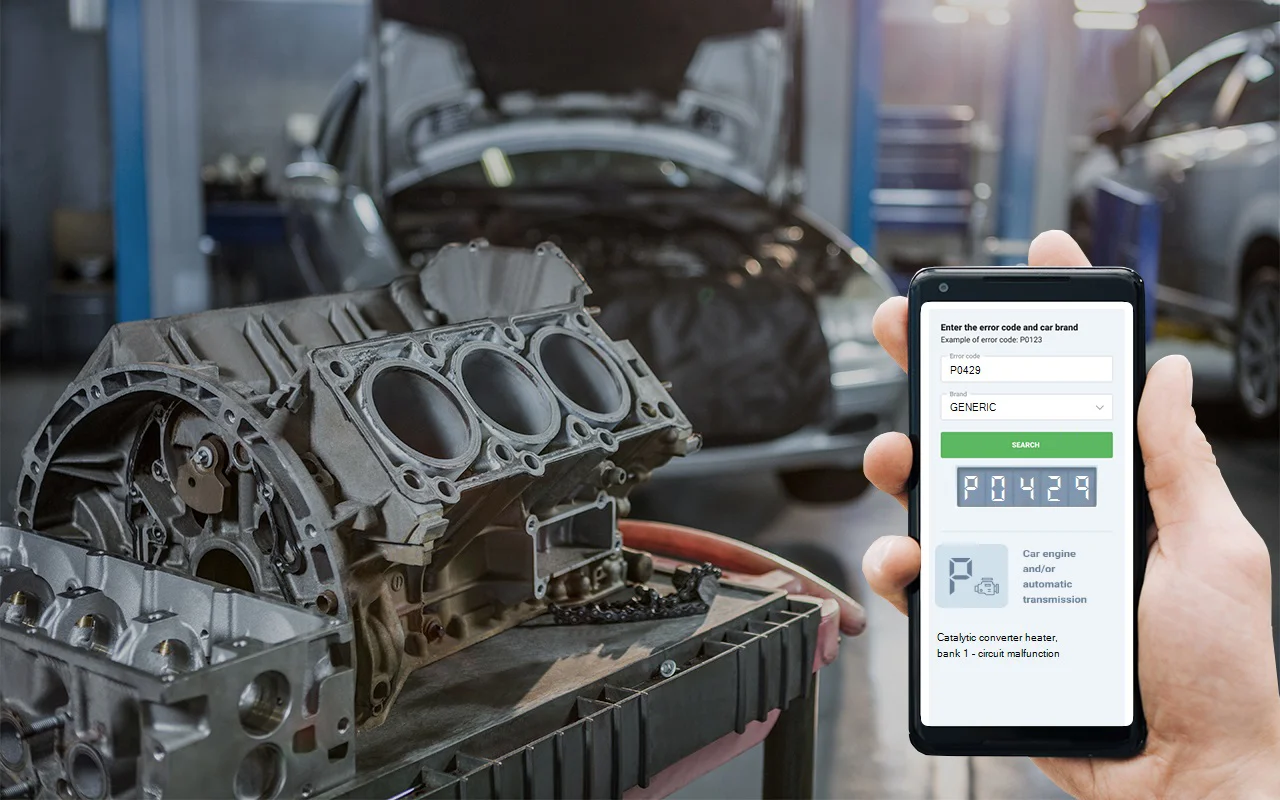
P0429 engine code Common Mistakes
If I had a dollar for every time someone swapped out the catalytic converter first, I’d have a new toolbox by now. One classic mistake is ignoring the sensors or wiring-those are usually the root cause and much cheaper to fix. Another thing I see a lot is folks missing tiny exhaust leaks. Trust me, even the smallest leak near the converter or sensor can throw everything off. And don’t forget, you need to check both upstream and downstream O2 sensors; neglecting one can send you chasing your tail. My advice? Take your time and check the basics before you go spending big money.

obd2 code P0429 Seriousness
P0429 isn't something you want to let slide. While your car might still run, ignoring this code can mean you’re burning more gas and pumping out extra emissions. Leave it long enough, and you could fry the catalytic converter itself-now you’re talking a repair bill that’ll sting. Also, a glitchy sensor or shorted wire can start to mess with other parts of your emissions system. Things can go downhill fast if you don’t get on top of it. My advice? Treat this code as a priority.
P0429 Repair
When I’m fixing a P0429, here’s the drill I follow-these steps have served me well over the years:
- Swap out the exhaust temperature sensor if it’s not reading right.
- Track down and repair any sketchy wiring or connectors in the heater circuit-sometimes it’s just a corroded plug or a broken wire.
- Replace O2 sensors if testing shows they’re not up to snuff.
- Seal up any exhaust leaks, especially near the converter or sensors. Even a pinhole leak matters here.
- If the converter’s heater is toast, you’ll have to replace the catalytic converter itself.
My two cents: always start with the sensors and wiring. Nine times out of ten, that’s where you’ll find the problem-and it’s usually a lot less work (and money) than a new converter.
Conclusion
Here’s the bottom line: P0429 means your catalytic converter’s heater circuit isn’t doing its job. That hits you with worse fuel economy and higher emissions, and if you ignore it, you’re looking at even bigger headaches (and bills) down the line. The smart move is to walk through the basics-check the sensors, tidy up the wiring, and hunt for leaks. Don’t wait for it to get worse. Fix it early, and you’ll keep your ride running clean and your wallet a lot happier.