
Main Causes of P042B Trouble Code
From experience, the most common reasons I see for a P042B code are:
- A faulty downstream oxygen sensor (the one after the catalytic converter) is at the top of the list. These sensors do wear out over time.
- Wiring issues-damaged, corroded, or loose connections between the sensor and the PCM can cause all sorts of headaches.
- Problems with the air-fuel mixture, like if the engine is running too rich or too lean, can throw off the sensor readings and trigger this code.
- Less often, the PCM itself could be malfunctioning or need a software update, but that’s pretty rare in my experience.
It’s usually something simple, but I always recommend starting with the basics before jumping to conclusions.
Common Symptoms of OBD Code P042B
When this code is active, here’s what you’re likely to notice as a driver:
- The check engine light will almost always come on-sometimes that’s the only sign.
- You might feel the engine running a bit rough or not as smoothly as usual.
- Fuel economy can take a hit, so you may find yourself filling up more often.
- Some folks notice a bit more exhaust smell or even a failed emissions test, since the system isn’t cleaning up the exhaust as well as it should.
In some cases, you might not notice anything except that warning light, but it’s still important to get it checked out.

Step By Step Diagnosis for P042B Code
Here’s how I usually tackle a P042B code, step by step:
- First thing-do a good visual inspection of the downstream oxygen sensor and its wiring. Look for any obvious damage, loose connectors, or signs of corrosion. Sometimes a simple fix like plugging in a loose connector solves the problem.
- Check for exhaust leaks around the catalytic converter and sensor area. Even a small leak can fool the sensor and set off this code. It’s easier if you have someone help you listen for hissing sounds while the engine’s running.
- If everything looks good, I’ll scan for any other trouble codes. Sometimes, issues with the engine’s air-fuel mixture or misfires can cause this code, so it’s important to address any other codes first.
- Next, I use a scan tool to watch the sensor’s voltage readings. With the engine warmed up, the downstream sensor should show a steady voltage close to 0.45 volts. If it’s jumping around or stuck high or low, that’s a clue the sensor might be bad.
- If the sensor readings look off, I’ll check the wiring for continuity using a multimeter. Make sure there’s no break between the sensor and the PCM, and that the ground is solid.
- Finally, if all else checks out, I’ll compare the scan tool readings to direct voltage readings at the PCM. If they don’t match, there could be a problem with the PCM itself, but honestly, that’s pretty rare.
It’s best to start with the simple stuff and work your way up. Don’t forget to double-check the basics before replacing any parts.
Avoiding Common Mistakes With DTC P042B
One thing I see a lot is folks jumping straight to replacing the oxygen sensor without checking the wiring or looking for exhaust leaks. That’s a surefire way to waste money if the real problem is just a loose connector or a small leak. Another mistake is ignoring other trouble codes that might be causing the issue in the first place. Always address those first, or you’ll end up chasing your tail. And don’t forget to clear the code and see if it comes back after any repair-sometimes the fix is simpler than you think.

How Serious is OBD2 Code P042B
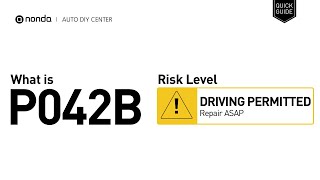
While this code isn’t usually an immediate safety hazard, it’s not something you want to ignore. If you let it go, you could end up with higher emissions, worse fuel economy, and even damage to the catalytic converter over time. That’s an expensive part to replace. Plus, if your car fails an emissions test, you’ll have to get it fixed anyway. Things can go south quickly if you overlook this, so don’t put it off for later.
Recommended Repairs for P042B Engine Code
Here’s what I typically do to fix a P042B code:
- If the sensor is faulty, replace the downstream oxygen sensor with an OEM-quality part.
- Repair or replace any damaged wiring or connectors you find during your inspection.
- If there’s an exhaust leak, fix it before doing anything else-the sensor can’t work right if there’s a leak nearby.
- In rare cases, update or reprogram the PCM if there’s a known software issue (check for technical service bulletins first).
After any repair, always clear the code and take the car for a test drive to make sure it doesn’t come back.



Conclusion
To sum it up, P042B means your car’s computer isn’t happy with the readings from the downstream oxygen sensor after the catalytic converter. It’s usually a moderate issue, but it can lead to bigger problems if ignored. I recommend starting with a careful inspection of the sensor and wiring, checking for exhaust leaks, and only replacing parts if you’re sure they’re bad. Don’t delay-getting this sorted out quickly is the best way to avoid costly repairs down the road and keep your car running clean and smooth.
 5391
 6 minutes of reading