
Common Causes of P042C Trouble Code
From my time wrenching in the shop and talking with other techs, there are a few main troublemakers behind the P042C code:
- Bad downstream oxygen sensor (that’s the one after the catalytic converter)-hands down, this is what I see the most.
- Trouble with the wiring-think frayed insulation, corrosion, or connectors that aren’t snapped in tight. Even a little green fuzz on a terminal can create headaches.
- Leaky exhaust-especially if it’s close to the sensor or converter. I’ve seen pinhole leaks wreak havoc on sensor readings.
- Problems with air/fuel mixtures-if your engine isn’t running right, that throws everything off, including your sensor data.
- PCM (engine computer) issues-pretty rare, but every once in a while, the brain box is the root cause, needing a reflash or replacement.
Most times, it’s a dead sensor or wiring gremlins, but don’t just assume-run down the whole list or you might end up chasing your tail.
Recognizing Symptoms of DTC P042C
When this code crops up, here’s what you might notice from behind the wheel:
- Check Engine light-usually pops on before anything else, and sometimes it’s the only clue you get.
- Engine feels off-could be running rough, maybe a bit sluggish when you hit the gas.
- Lower fuel mileage-you’ll notice you’re stopping for gas more often than usual.
- Higher emissions-don’t be surprised if your car doesn’t pass a smog check.
Sometimes, you won’t feel any difference at all, but don’t let that lull you into ignoring it. Problems can pile up fast.

How to Diagnose OBD Code P042C
Here’s the step-by-step routine I follow in the shop when I’m chasing down a P042C code:
- Start with a visual once-over. Pop the hood and take a good look at the wiring and connectors going to that downstream oxygen sensor. Look for cracked wires, loose plugs, or that telltale green corrosion. If you’re not comfortable crawling under your car, grab a buddy for a hand.
- Listen for exhaust leaks. Any hissing or ticking noises around the converter or sensor area could mean trouble. Even the smallest leak can throw off sensor readings.
- Scan for other codes. If you spot any other codes-especially ones tied to fuel or ignition-sort those out first. They might be what’s setting off the P042C.
- Check the sensor’s performance. Using a scan tool, watch the voltage from the downstream sensor (Bank 1 Sensor 2). It should sit close to 0.45 volts with only tiny fluctuations when the engine’s warmed up. If it’s stuck low or not moving, that’s a clear sign of trouble.
- Test wiring continuity. Break out the digital multimeter and check the signal and ground wires from the sensor back to the PCM. If any wire’s open, you’ll need to fix or swap it out.
- Double-check sensor data. If you’ve got both a scan tool and a multimeter handy, make sure what you see on the screen matches what you get at the wires. If they don’t line up, the PCM could be at fault-but don’t jump to that unless you’re sure.
And here’s a garage pro-tip: Check for any Technical Service Bulletins (TSBs) covering this code for your car’s make and model. Sometimes the manufacturer already knows the fix.
Avoiding Common P042C Engine Code Mistakes
Over the years, I’ve watched folks fall into a few classic traps with this code:
- Swapping out the oxygen sensor right away before even looking at the wiring or checking for exhaust leaks-sometimes the old sensor’s just fine.
- Ignoring other codes-if the engine isn’t running right, start there. That may be what’s triggering this code in the first place.
- Skipping the basics-like missing a loose or corroded connector pin. It’s easy to overlook but can save you hours of frustration.
- Pointing the finger at the PCM too soon-honestly, I can count on one hand how many times that was actually the problem.
My advice? Slow down and check everything before you shell out for new parts. A careful approach pays off every time.

Seriousness of OBD2 Code P042C Issues
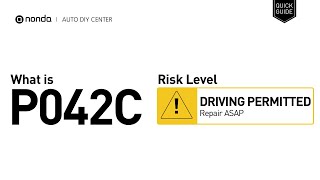
Let me be straight with you-while this code won’t leave you stranded today, it’s not something to shove to the bottom of your to-do list. If you let it slide, you could cook the catalytic converter, and trust me, that’s not a bill you want to see. Plus, you’ll be sending more junk out your tailpipe and risking a failed emissions test. If it’s just a wiring or sensor issue, things can spiral-suddenly your engine’s running rough or you’re staring down a much bigger repair. Bottom line: fix it now before it snowballs.
Effective Repair Solutions for P042C Code
Here’s what usually gets a P042C sorted, based on what I’ve seen in the trenches and what the manuals say:
- Swap out the downstream oxygen sensor if it’s dead or stuck at a low voltage.
- Repair or replace any beat-up wiring or dodgy connectors at the sensor.
- Seal up any exhaust leaks near the converter or sensor area.
- Sort out any engine running issues that might be throwing off your air/fuel mix.
- In rare cases, reflash or replace the PCM if it’s not processing the sensor’s signal right.
After the fix, clear the code and take the car for a spin to make sure it stays gone.



Conclusion
Here’s the takeaway: when your car throws a P042C, the computer thinks something’s off with how the catalytic converter is heating up or being monitored-usually thanks to a sensor or wiring hiccup. It’s not the scariest code out there, but letting it sit can turn a small repair into a big headache. My best advice is to start simple: check the sensor and wiring first, then work your way up from there. Nine times out of ten, fixing the basics gets you back on the road. Tackle it promptly and you’ll save yourself money, hassle, and keep your ride running clean.

 5632
5632 6 minutes of reading