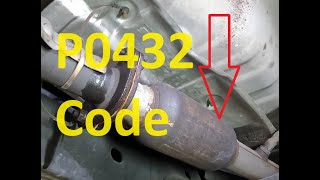
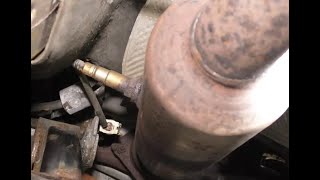
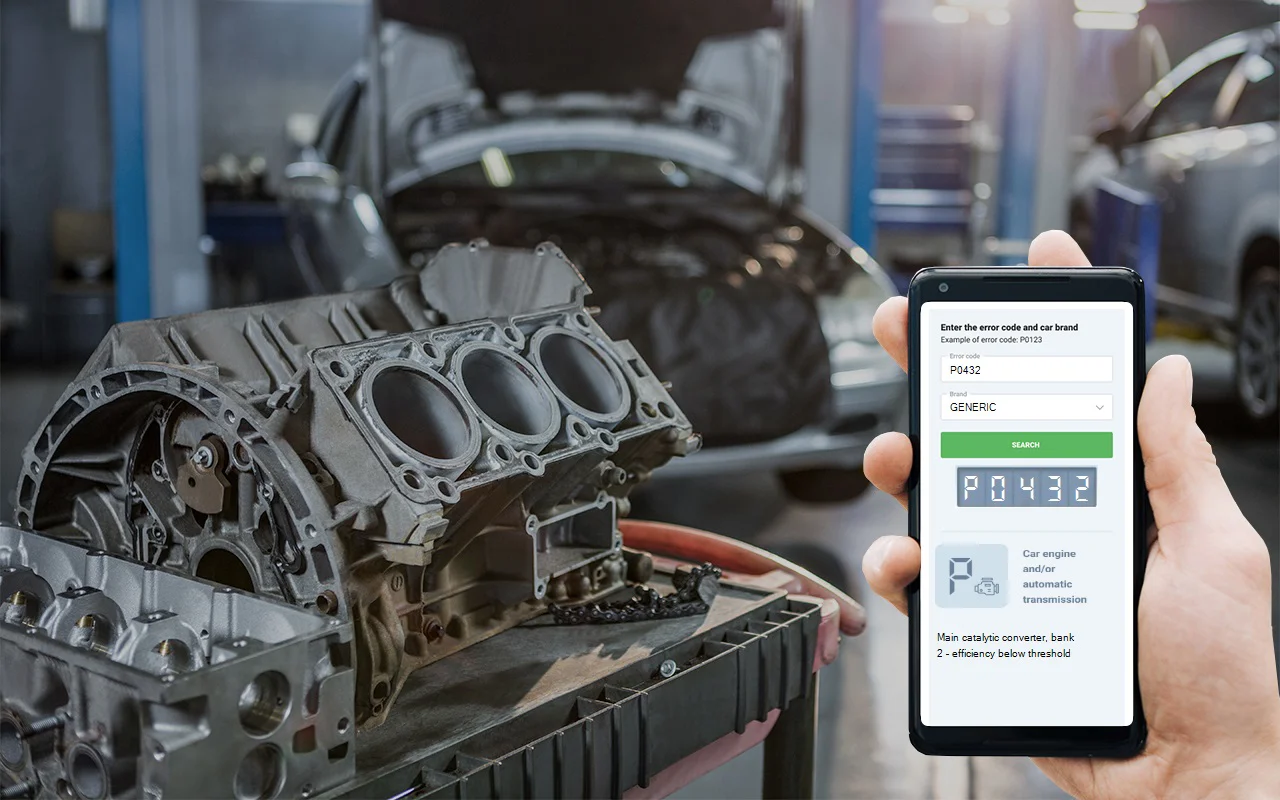
When you see a P0432 code pop up, your car’s computer (PCM) is letting you know it thinks the catalytic converter on Bank 2 isn’t pulling its weight anymore. From years working in the shop, I’ve seen this code on everything from family sedans to big SUVs. The cat, as we call it, scrubs nasty stuff out of your exhaust before it leaves the tailpipe. The PCM keeps tabs on how well it’s doing by comparing readings from two oxygen sensors-one before and one after the converter. If the sensor after the cat starts acting too much like the one before it, that’s the computer’s way of saying, “Hey, the cat’s not doing its job.” Just so you know, Bank 2 is the side of the engine that doesn’t have cylinder number 1. This code shows up on plenty of different makes and models, but the path to a proper fix depends on your specific ride.
DTC P0432
 4419
4419 6 minutes of reading
Causes and obd2 code P0432
From my time under the hood, I can tell you the #1 reason for a P0432 code is a catalytic converter that’s reached the end of the line. The precious metals inside get used up or fouled over time-especially if your engine’s been running rich or burning oil. Another thing I see is the engine itself running off-spec on the air-fuel mix-too rich or too lean can both spell trouble for the cat and sometimes even mimic a bad converter. Here’s a quick rundown of what I find most often behind this code:
- Catalytic converter on Bank 2 has lost its effectiveness (hands down, the most common)
- Engine running with a fuel mixture that’s off (rich or lean)
- Oil or coolant sneaking into the exhaust and contaminating the converter
- Faulty or slow post-cat oxygen sensor (doesn’t happen as often, but don’t skip it)
Symptoms related to P0432 engine code
Usually, when P0432 shows up, you won’t notice a parade of symptoms right away. Nine times out of ten, your only hint is the check engine light glaring at you from the dash. Sometimes, you’ll catch a whiff of stronger exhaust, or the car may fail an emissions test. Rarely, you might see a drop in fuel mileage or notice the engine running a little rough, but that’s not the norm in my experience. Here’s what you might run into:
- Check engine (MIL) light on
- Possible spike in exhaust emissions
- Occasional rough idle or poorer fuel economy (not always there)
- Failed emissions or smog inspection

Diagnosis steps for P0432 trouble code
Let me walk you through how I chase down a P0432 in the garage-some of these steps you can handle at home if you’re handy and have a decent scan tool. First thing I do is clear the code and see if it comes back. If it does, I look for any other codes that might point to misfires, fuel trim issues, or O2 sensor problems-those can throw the converter’s readings off. Next up, I check the exhaust system for leaks or any signs of damage, especially around the cat and O2 sensors. After that, I’ll pull up live data on the scan tool. The oxygen sensor after the cat should change slower than the one before it. If both are switching at the same pace, that’s a telltale sign the converter’s not working. I’ll also keep an eye out for oil or coolant burning, and make sure the engine’s running smooth with no misfires. If everything else checks out, I’ll test the O2 sensors just to be sure before blaming the cat. A garage buddy to help out while you’re under the car is always a good call, especially if you’re working near hot parts.
- Clear the code and see if it returns
- Look for other codes (misfire, fuel trim, O2 sensor issues)
- Check exhaust system for leaks or damage
- Watch O2 sensor live data (compare pre- and post-cat switching)
- Inspect for oil/coolant consumption or engine issues
- Test O2 sensors if needed
Common Mistakes when addressing P0432 code
A classic mistake I see is folks throwing a new catalytic converter at the problem without checking the basics first. Sometimes, it’s just a lazy oxygen sensor or a tiny exhaust leak causing the code. Another one: using a bargain-bin aftermarket converter that doesn’t meet the standards your PCM expects-cars like Toyotas and Subarus are especially fussy about this. Skipping over engine issues (like a rich-running condition) is another trap; that’ll just kill your new cat in no time. And don’t overlook software updates or technical service bulletins-manufacturers sometimes release fixes for these exact problems.
- Replacing the catalytic converter before checking O2 sensors or looking for exhaust leaks
- Using a low-grade or non-certified aftermarket converter
- Ignoring potential engine problems (fuel mix, misfires, etc.)
- Forgetting to check for TSBs or software updates that might apply

Seriousness of obd code P0432
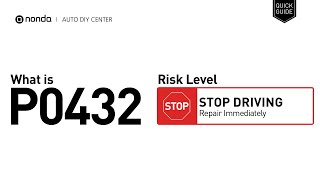
Take it from me-this isn’t something you want to brush off. The car might seem to drive fine for a while, but a bad catalytic converter means your emissions are way up, and if you ignore the root cause, you’re inviting bigger headaches down the road. If the converter finally clogs, you could lose power, overheat the engine, or even do some real damage. Not to mention, this code will flat-out stop you from passing an emissions or smog check. Bottom line: let this ride for too long, and you’re taking a gamble with your car’s health and your wallet.
Repair options for dtc P0432
Most of the time, the fix is swapping out the catalytic converter on Bank 2 for a high-quality, OEM-approved unit-assuming you’ve confirmed the cat really is the problem. But before you go shelling out for a new converter, make sure the engine’s running right and not setting the cat up to fail. If the downstream oxygen sensor is the culprit, replacing that might be all you need. If the engine’s running rich or lean, track down the cause-could be a vacuum leak, a bad injector, or even a simple software update. Here’s what I’d tackle, in order:
- Replace the catalytic converter with an OEM or certified aftermarket part (once you’re sure it’s bad)
- Fix any engine issues causing a bad air-fuel mix
- Swap out a faulty post-cat oxygen sensor (if needed)
- Repair oil or coolant leaks that could spoil the converter
- Check for and install any engine software updates or TSBs
Conclusion
At the end of the day, a P0432 means your Bank 2 catalytic converter isn’t cleaning up the exhaust the way it should. Don’t wait on this-jump in early and you’ll save yourself from bigger, pricier headaches down the road. Start with the simple stuff: check for engine problems, test those O2 sensors, and give the exhaust a good look. If the converter’s cooked, replace it with a quality part. That’s how you keep your car running right and emissions in check-straight from a tech who’s seen it all.