
Main Causes Related to OBD Code P0434
From my time under the hood-and let me tell you, I've seen this one a lot-the top reasons behind a P0434 code usually boil down to the following:
- An exhaust gas temperature sensor that’s gone bad (these are notorious for failing, way more often than the actual converter)
- Issues with the diesel exhaust fluid injection system-maybe it’s not spraying like it should, or the fluid itself isn’t up to par
- Burned, broken, or loose wires and connectors, especially in those spots right next to the scorching exhaust
- Cheap or the wrong type of diesel exhaust fluid getting poured in
Honestly, nine times out of ten, it’s the sensor or the wiring that’s at fault-not the catalytic converter. My advice: always check those basics before you start thinking about replacing expensive parts.
Typical Symptoms When Experiencing P0434 Engine Code
If you’ve got P0434 showing on your dash, here’s what you’re likely to notice. That check engine light? It’ll almost always be on. You might also spot a dip in your fuel economy, and sometimes your engine feels like it’s lost a bit of its usual punch. One thing I’ve seen a lot: more black smoke than normal coming out of the tailpipe. That’s a dead giveaway that your emissions system isn’t pulling its weight. Occasionally, you’ll also get hit with other related codes-usually tied to the emissions or exhaust system-cropping up at the same time.

Steps for Diagnosis Using OBD2 Code P0434
When I’m faced with P0434, here’s the game plan I follow in the shop:
- Start with a thorough visual inspection. Get in there and check every inch of wiring and those connectors around the exhaust temperature sensors and the converter itself. Pay close attention to anything that looks melted, frayed, or like it’s hanging loose-especially near those hot exhaust pipes and shields.
- Next up, hook your scan tool to the OBD port and pull not just the codes but also the freeze-frame data. I always jot this info down-it’s a real lifesaver if you need to look back later.
- Clear the codes, then take the vehicle for a test drive. If P0434 pops back up right away, that tells you the problem’s not just some old ghost code but an active issue.
- With the engine at operating temp, use the scan tool to keep an eye on the exhaust temperature sensor readings. Focus on the sensors before and after the converter. If the numbers aren’t behaving or don’t change the way you’d expect, that’s your cue something’s off.
- If the scan tool data seems fishy, I’ll crawl under (always with the right safety gear-never skip this!) and use an infrared thermometer to get a direct temperature reading at the sensors. Then I compare those temps to what the scan tool showed. Big difference? You’re likely looking at a bad sensor.
- When I’m still not sure, I’ll unplug the suspect sensor and check its resistance with a digital meter. Make sure you know your vehicle’s specs before judging the results.
- And don’t overlook the basics: double-check that your diesel exhaust fluid is the right type and topped off before you dive any deeper.
Here’s a pro-tip from the garage-have someone help you out, especially when you’re working under the vehicle or watching live data while driving. It makes the job safer and a lot smoother.
Avoiding Common Mistakes With DTC P0434
A classic mistake I see is folks immediately blaming the catalytic converter and swapping it out. Nine times out of ten, that’s not the culprit for this code. Another misstep? Overlooking damaged wiring or connectors-especially the ones hidden and cooked near the exhaust. I’ve even seen people forget to check the diesel exhaust fluid’s quality and level, which is absolutely essential for this system. And here’s one I can’t stress enough: don’t just trust what the scan tool says. Always compare its sensor readings with actual temperature checks. Skipping this step will cost you time and money.

How Serious Is a P0434 Trouble Code
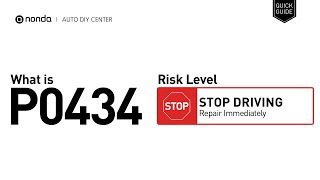
This code isn’t one you can put off until next weekend. When P0434 shows up, it means your emissions system isn’t doing its job, and that can snowball into bigger engine headaches. If your diesel exhaust fluid system isn’t injecting right, you could end up with clogged filters or even a toasted catalytic converter. Plus, all that extra black smoke? Not only is it rough on the environment, but it can also cause you major grief at emissions inspections. Things can go sideways in a hurry, so I always tell folks: don’t sit on this-fix it now.
Best Repair Approaches for P0434
Here’s what’s worked best for me and lines up with the official repair guides for P0434:
- Swap out a bad exhaust gas temperature sensor (this is your most likely fix)
- Repair or replace any damaged wiring or connectors near the exhaust-especially if they’ve been heat-soaked or corroded
- Make sure your diesel exhaust fluid is the right type and at the right level-don’t cut corners here
- If the injection system isn’t working right, get it repaired or serviced
Only after all these steps-if nothing else solves it-should you even think about replacing the converter itself. That’s always my last resort.


Conclusion
Bottom line: if you’re seeing P0434, your heated catalytic converter on bank 2 isn’t getting up to temp, usually because of a bad sensor, wiring problem, or something funky with the diesel exhaust fluid system. This is a high-priority fix because letting it slide can turn a simple repair into a wallet-draining nightmare. My best advice? Start with the obvious-check your sensors, wiring, and fluid-before you start tearing into anything big. Jump on it early and you’ll save yourself a world of trouble and keep your ride running clean and strong.
 6469
6469 6 minutes of reading