
Causes of P0439 code
From my time under the hood, here are the most common culprits behind a P0439 code:
- Exhaust gas temperature sensors that have gone bad or started feeding the computer wrong info.
- Diesel exhaust fluid (DEF) that’s either low, of poor quality, or just plain wrong for your vehicle.
- Issues in the DEF injection system-could be a bad pump, a clogged injector, or even a wiring hiccup.
- Wiring or connectors that are burnt, frayed, or have come loose-especially near those hot exhaust parts or sharp brackets. Heat and vibration love to cause trouble here.
- Oxygen sensor (O2 sensor) failures on bank 2-a classic troublemaker.
- A catalytic converter that’s either plugged up or just no longer doing its job.
- Exhaust leaks before the catalyst, which can mess with sensor readings and throw the whole system off.
In my experience, it’s usually something simple-like a bad wire or a tired sensor. But sometimes, it’s a cocktail of a few issues happening at once that keeps you chasing your tail.
Symptoms of P0439 trouble code
When P0439 shows up, here’s what you’ll likely notice. That check engine light will light up your dash-almost always the first heads-up. You might catch your fuel economy dipping, or maybe the engine feels a bit lazy when you hit the gas. Sometimes, you’ll spot extra black smoke coming from the exhaust. And on occasion, you’ll get bonus warning lights or extra codes pointing to emissions or engine performance. If any of these ring a bell, don’t just ignore them-trust me, they won’t just go away on their own.

Diagnosis steps for obd code P0439
When I’m faced with a P0439, here’s my game plan:
- First thing’s first-a thorough visual inspection. I always check the wiring and connectors around the heated catalyst, paying close attention to where they run near the exhaust or by any sharp edges. Burnt or broken wires? Happens more often than you’d think.
- Next, I break out the scan tool and pull all the codes, including freeze-frame data. This gives me a snapshot of what was going on when the code tripped, and flags any other related codes (especially for the DEF system or sensors).
- Clear the codes and take the car for a spin. If the code comes back, you’re dealing with a true, ongoing problem-not just a glitch.
- If your ride uses DEF, I always check that the tank’s full and the fluid is the right type. Running low or using the wrong stuff is a silent code trigger.
- I’ll then test the DEF injection system-making sure the pump and injectors are working, and double-checking fuses and relays for any faults.
- With an infrared thermometer, I check temperature differences at the inlet and outlet of the catalytic converter. If the outlet isn’t heating up like it should, it points to the catalyst or heater not doing its thing.
- If temps look good, I’ll move on to checking the exhaust gas temperature sensor and O2 sensors with a multimeter, comparing their readings to factory specs. Out-of-range readings mean it’s time to swap parts.
- If everything else passes, odds are the catalytic converter itself is the problem-either clogged or failing internally.
Here’s a pro-tip: always let the exhaust cool down before poking around. It can get hot enough to brand you for life. And having a second pair of eyes helps, especially during those tricky visual checks.
Common mistakes when fixing dtc P0439
A classic mistake I’ve watched folks make? Swapping out the catalytic converter right away without checking the basics, like sensors or wiring. That’s an expensive way to learn. Another one-overlooking the DEF system, especially if the fluid’s low or the wrong type is used. People also forget to look for exhaust leaks, which can throw off the entire system’s readings. And whatever you do, don’t skip a quick check of the fuses and relays for the DEF system. Sometimes the simplest fixes are hiding in plain sight. More times than I can count, a missed wiring issue has been the root cause, so don’t rush that visual inspection.

Seriousness of obd2 code P0439
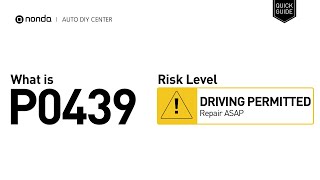
You don’t want to let this one slide. The heated catalyst is essential for keeping your emissions in check, and if it’s not working, you might be polluting a lot more than you realize. Letting it go can snowball-taking out the catalytic converter, burning up O2 sensors, or causing your engine to run rough. In some cases, a clogged exhaust can lead to bigger headaches and pricier repairs. Bottom line: Nip it in the bud before you’re dealing with a much bigger, costlier problem.
Repair steps for P0439
Here’s how I usually fix a P0439 code:
- Swap out any exhaust gas temperature sensors or O2 sensors that aren’t giving good readings.
- Top up that DEF with the right fluid, and if the wrong one was used, flush the system-don’t cut corners here.
- Repair or replace any suspect wiring or connectors-especially the ones living near the exhaust.
- Seal up any exhaust leaks before the catalyst-don’t let those small leaks fool you, they matter.
- Fix or replace any parts of the DEF injection system that aren’t up to snuff.
- If after all this, the catalyst still isn’t heating right, you’re looking at a new catalytic converter.
Once you’ve made the repairs, clear the codes and take it out for a drive. If the code stays gone, you’ve nailed it.


Conclusion
So, to wrap things up-P0439 means there’s trouble with the heated catalyst control circuit on bank 2, usually tied to sensors, wiring, or the DEF system. It’s a problem you don’t want to ignore, since it can snowball into bigger, more expensive failures. My advice? Start with the basics-wiring, sensors, DEF fluid-before you start thinking about the catalytic converter. The sooner you get it sorted, the better chance you have of avoiding a real headache (and a big repair bill) down the road.
 7016
7016 6 minutes of reading