
P0447 trouble code Causes
From my time in the shop, I can tell you the root causes for a P0447 code usually aren’t anything exotic. Nine times out of ten, you’re looking at a faulty or stuck EVAP vent valve. But don’t rule out a sneaky vacuum leak in one of the EVAP lines, or some gremlins in the wiring or connectors. Here’s what’s at the top of my list when I see this code:
- Defective or jammed EVAP vent valve (also called the vent solenoid)
- Vacuum leak hiding in the EVAP hoses or lines-these cracks can be hard to spot
- Wiring or connector problems-think broken, corroded, or loose connections in the circuit
Most of the time, it’s one of these three. But I never skip a step-always check each possibility before moving on. And if you’re driving a Nissan or Hyundai, dtc p0447 nissan or dtc p0447 hyundai can show up for the same reasons.
dtc P0447 Symptoms
The first thing you’ll see with a P0447 code is that dreaded check engine light. Here’s the funny part: the car usually drives just fine. No stalling, no hesitations, nothing odd-just the light glaring at you. Every so often, if the vent valve is stuck open, you might catch a whiff of fuel, especially after filling up or if your car’s been parked in a closed garage. Otherwise, it’s just that stubborn light. Whether it shows up as dtc p0447 nissan or dtc p0447 hyundai on your scan tool, the symptoms don’t change.

P0447 engine code Diagnosis
When I get a P0447, here’s the routine I follow. First thing-pop the hood and eyeball the EVAP vent valve and its wiring. Look for broken wires, loose or corroded connectors-anything out of the ordinary. Make sure to check the wiring harness as far back as you can; damage sometimes hides where you least expect it. Next, I’ll give the EVAP hoses a squeeze and look for cracks or splits. Those little leaks can be sneaky. If everything passes the visual test, I’ll grab a scan tool and command the vent valve to open and close-listening for a click or feeling for a little movement. No sound or movement? Time to check if there’s voltage at the connector using a multimeter. If there’s no power, you might be dealing with a wiring or relay issue. If the power’s there but the valve does nothing, swap the valve. Here’s a pro-tip: have someone else help you listen for that click, it can be faint. And remember, always shut off the ignition before unplugging connectors-you don’t want to introduce new problems. Whether your scanner reports p0447 or dtc p0447 nissan or dtc p0447 hyundai, the steps to track it down are the same.
P0447 code Common Mistakes
A classic mistake I see is folks swapping out the vent valve first, without ever checking the wiring or connectors. That’s a quick way to waste both time and cash. Another one? Overlooking tiny splits in the EVAP hoses, or not spotting a blown fuse in the circuit. Don’t cut corners-always start with the basics. Corroded connector pins have tripped up even seasoned techs, so double-check those before reaching for new parts.

P0447 Seriousness
P0447 won’t usually leave you stuck on the side of the road, but you really shouldn’t shrug it off. Ignore it, and you’re looking at guaranteed trouble come inspection time. Plus, a vent valve stuck open could let fuel vapors escape-fire risk isn’t something to take lightly. Add a wiring short to the mix, and you could fry your PCM or other electronics. The bottom line? Don’t let this one linger. Fix it before it snowballs into something worse.
obd code P0447 Repair
Here’s the way I tackle a P0447 repair, step by step, depending on what turns up in diagnosis:
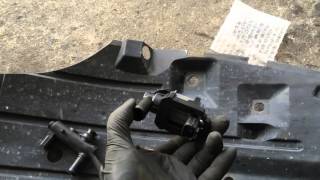
- Swap out the EVAP vent valve or solenoid if it’s unresponsive or stuck
- Repair or replace any damaged wiring or connectors in the vent valve circuit
- Track down and fix vacuum leaks in the EVAP hoses or lines
- Clear the code, then fire up a system test to make sure the fix holds
Here’s a tip from the garage: stick with OEM parts. Aftermarket pieces can cause more headaches down the road. And don’t skip retesting after repairs-nothing worse than thinking you’ve fixed it, only to see that check engine light come back on.
Conclusion
So, in a nutshell, P0447 says your car’s EVAP vent valve circuit is acting up-most often from a faulty valve, a wiring snag, or a vacuum leak. While your car might seem fine, don’t put off the repair. Staying ahead of this now will keep you from failing emissions or risking more costly problems later. My go-to plan: inspect everything closely, pay extra attention to wiring and hoses, and replace the vent valve if you need to. Trust me-take care of that check engine light now, and you’ll thank yourself down the road.

 5290
5290 5 minutes of reading