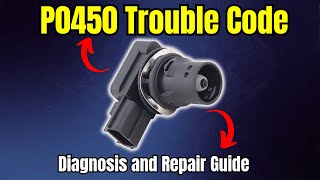
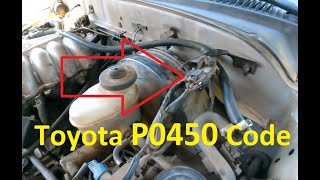
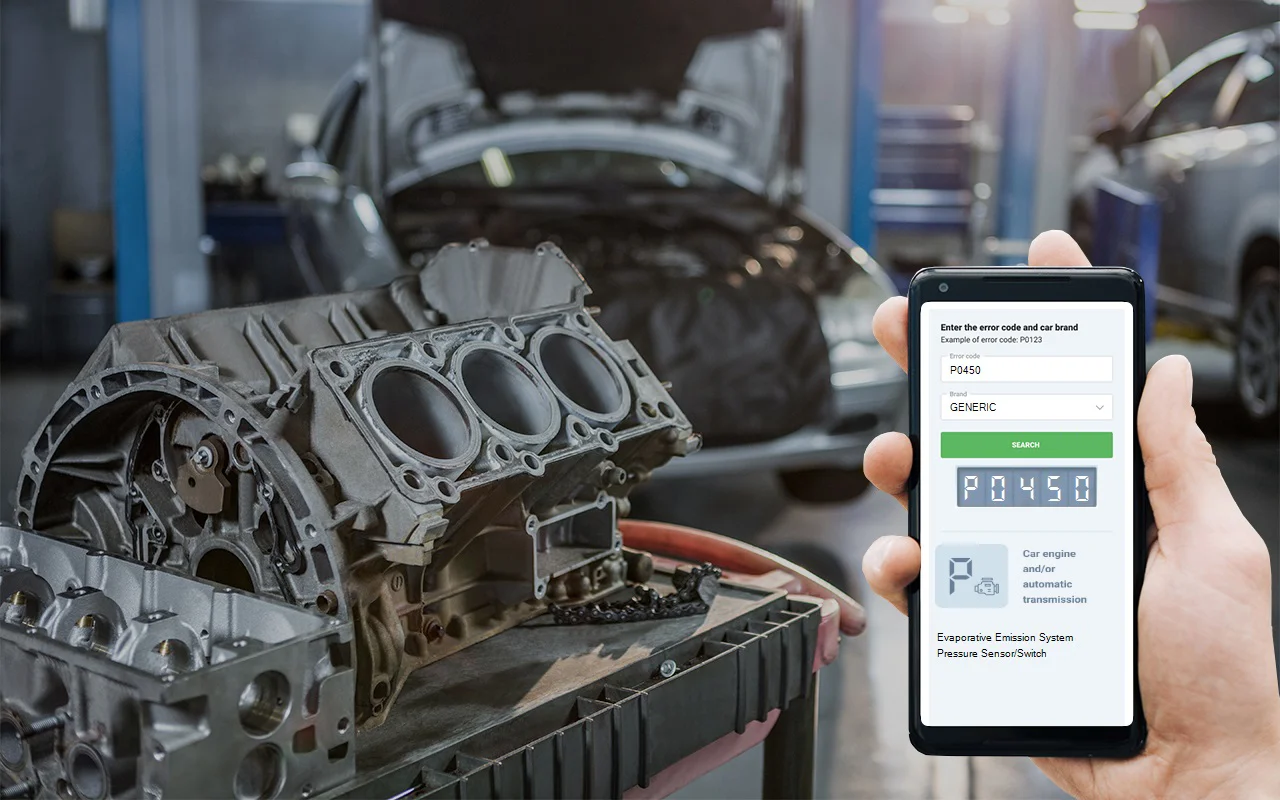
P0450 is a code I've run into plenty of times in the shop. When your car’s computer-technically the PCM-throws this one, it’s because it's not happy with what the evaporative emission system pressure sensor (that’s the EVAP pressure sensor) is telling it. This little sensor keeps an eye on the pressure inside your fuel tank and the rest of the EVAP system, making sure fuel vapors stay where they belong and don’t end up in the atmosphere. The fumes get trapped in a charcoal canister, then burned off in the engine later. If the sensor isn’t sending a signal in the range the computer expects-usually reading on the low side-the PCM flags it and sets the P0450 code. Bottom line? Your car is letting you know it’s not getting good pressure data from the EVAP system, and wants you to take a look.
DTC P0450
 5576
5576 5 minutes of reading
Causes of obd2 code P0450
From my time under the hood, nine times out of ten, P0450 comes down to a bad EVAP pressure sensor. But don’t get tunnel vision-wiring issues are a classic troublemaker here too. I’ve chased my tail before only to find a green, corroded connector or a wire chewed by a critter. Sometimes it’s as simple as a plug that’s worked itself loose. Sure, the PCM itself can go bad, but I’ve only seen that once or twice in all my years. Here’s what you should be looking for:
- Bad EVAP pressure sensor
- Wiring or connector issues in the EVAP sensor circuit-think broken, frayed, or loose
- Very rarely, a problem with the PCM
Symptoms of P0450 trouble code
For most folks, P0450 is a sneaky one. The car runs just like it did yesterday-no rough idle, no stalling, no drop in power. Usually, the only thing you’ll notice is that check engine light glaring at you from the dash. Don’t let the lack of obvious symptoms fool you, though. That light is your car’s way of asking for help with its emissions system, even if everything feels normal behind the wheel.

Diagnosis steps for dtc P0450
Let me walk you through how I tackle a P0450. Always, always start with the basics-trust me, it saves headaches.
- First thing, check the gas cap. Make sure it’s tight and not cracked. More than once, I’ve seen a bad cap throw the whole EVAP system for a loop.
- Next, take a good look at the wiring and connectors going to the EVAP pressure sensor. Corroded pins, busted wires, or a connector that’s hanging on by a thread can all cause trouble. I like to have someone wiggle the harness while I keep an eye on the sensor readings to see if anything changes.
- If the wiring looks solid, I’ll hook up a scan tool and look at the live data from the EVAP pressure sensor. If that number’s frozen or way out of whack, the sensor is probably done for.
- For a deeper check, I’ll back-probe the sensor’s connector with a multimeter to verify it’s getting proper voltage and ground. If it has power and ground but still isn’t sending the right signal, it’s almost certainly the sensor itself.
- Only if I’ve ruled out everything else do I start thinking about the PCM. Honestly, that’s pretty rare. I always recommend checking your car’s repair manual, since sensor locations and wire colors can change from one model to the next.
Common Mistakes when fixing P0450
I see it all the time-folks rushing to swap out the EVAP pressure sensor right away, only to find the problem was a loose connector or a broken wire. That’s an expensive shortcut to nowhere. Another one I’ve seen: overlooking the gas cap. Believe it or not, something that simple can set off a whole mess of EVAP codes. And here’s a pro-tip from the garage: always scan for other EVAP-related trouble codes. Sometimes there’s more than one gremlin hiding in there, and you don’t want to miss the bigger picture.

Seriousness of obd code P0450
Now, even though P0450 won’t usually leave you stranded or cause the engine to run rough, don’t ignore it. You could end up failing your next emissions inspection, and if fuel vapors are leaking out, that’s bad news for both the environment and your health. Plus, letting EVAP issues drag on can wear down parts like the charcoal canister, purge valve, or even the PCM if things get out of hand. Problems like these have a way of snowballing if you let them slide. My advice? Get on it before it turns into a bigger repair.
Repair tips for P0450 code
Once you’ve tracked down the root cause, here’s what usually sets things right with P0450:
- Swap out the EVAP pressure sensor if you’ve confirmed it’s faulty or reading out of spec
- Fix or replace any wiring or connectors that are damaged, corroded, or loose in the EVAP sensor circuit
- Double-check that gas cap-replace it if it’s not sealing properly or looks worse for wear
- If, against all odds, the PCM is the problem, it might need a reflash or replacement-but that’s almost never the case in the real world
Conclusion
So, here’s the deal: P0450 is your car’s way of waving the red flag about the EVAP system pressure sensor or its wiring. It probably won’t leave you stuck on the side of the road, but if you let it go, you’re just asking for a failed emissions test or bigger headaches later on. My advice? Always start with the easy stuff-the gas cap and wiring-before you start throwing parts at the problem. Take it step by step, and you’ll usually find the real culprit without much drama. Don’t put it off. Handle it now, and you’ll save yourself time, money, and hassle down the line.