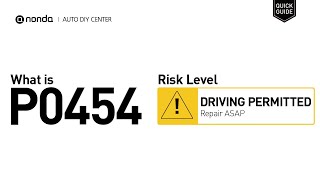
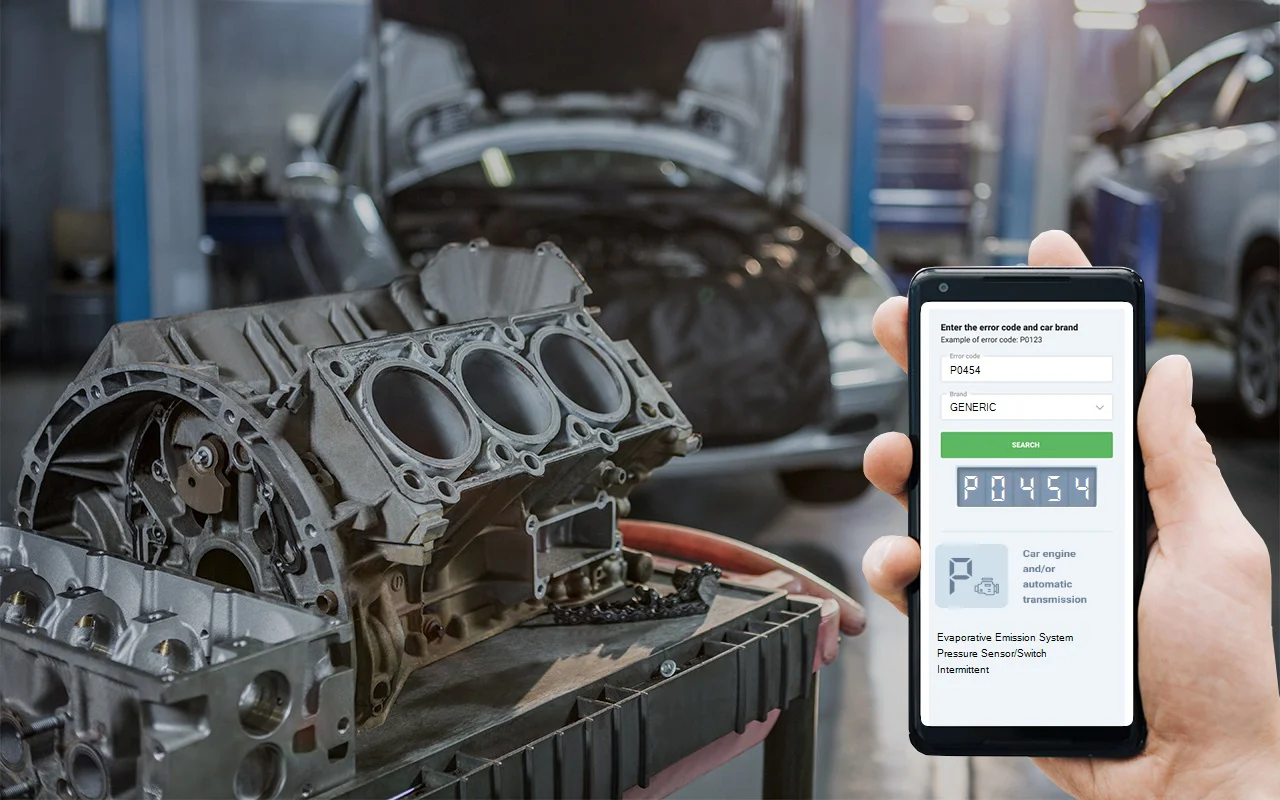
P0454 is a diagnostic trouble code that stands for “Evaporative Emission System Pressure Sensor/Switch Intermittent.” Let me break it down in plain shop talk: your car’s computer-what we call the PCM-keeps tabs on the fuel tank’s pressure using a dedicated sensor. That sensor is a key player in your EVAP system, whose job is to make sure fuel vapors don’t sneak out into the atmosphere. When the PCM notices the signal from that pressure sensor is flickering, dropping out, or just not giving a steady reading, you’ll get that P0454 code and a glowing check engine light on your dash. Over the years, I’ve worked with a lot of EVAP systems-they’re a web of components: charcoal canister, purge and vent valves, and a maze of hoses and lines, all meant to keep those vapors where they belong. The pressure sensor itself is almost always tucked onto or inside the fuel tank. Its main gig? Telling the computer if the system is sealed up or if there’s a leak or something’s gone haywire.
DTC P0454
 5358
5358 6 minutes of reading
Causes of obd2 code P0454
From my time in the shop, the number one cause of a P0454 is a busted EVAP pressure sensor. These little guys can wear out as they age, or just get overwhelmed by fuel vapor over the years. But here’s a pro-tip from the garage: don’t overlook wiring problems. I’ve lost track of how many times a loose connector, broken wire, or corroded pin has been the real troublemaker instead of the sensor itself. Every now and then, the culprit hides inside the computer-maybe it needs a software update, or there’s a rare internal glitch. What do I usually see when this code shows up? Let me lay it out for you:
- Faulty EVAP (fuel tank) pressure sensor
- Wiring or connector issues-think broken, loose, or corroded parts
- PCM (engine computer) troubles, sometimes just outdated software
Symptoms of P0454
In reality, most folks won’t notice much when this code gets stored. The clearest sign? That check engine light staring back at you. Maybe-just maybe-you’ll spot a tiny dip in fuel mileage, but honestly, most cars drive just fine otherwise. No strange noises, no weird smells. Still, that warning light isn’t just for show. It’s your car’s way of nudging you that something’s off, even if you can’t feel it from the driver’s seat.

Diagnosis steps for P0454 engine code
Whenever I’m chasing down a P0454, here’s my go-to process-and if you’re handy, you can do much of this at home. First things first: give everything a good look. Find the EVAP pressure sensor-usually near or right on the fuel tank-and inspect the wiring and connectors for damage, corrosion, or anything loose. Sometimes all it takes is unplugging and replugging the connector to fix a bad contact. After that, I grab a scan tool and look for other related codes, which can help zero in on the problem. If nothing’s obvious, I’ll break out the multimeter and check the sensor’s voltage and ground. You want steady readings; if the signal jumps around, odds are the sensor’s shot. If everything checks out but the code keeps coming back, then it might be time to consider PCM issues, though that’s pretty rare in my experience. Don’t skip checking for Technical Service Bulletins (TSBs) for your make and model-sometimes there’s a factory fix or a software update waiting for you. And a word to the wise: have a helper nearby when you’re working around the fuel tank, and never mess with fuel vapors unless you know how to stay safe.
Common Mistakes with obd code P0454
A classic mistake I see way too often? Folks swapping out the EVAP pressure sensor straight away, never thinking to check the wiring or connectors. That’s a quick way to drain your wallet if the real issue is just a crusty or loose connection. Another misstep: ignoring related trouble codes or missing out on TSBs-sometimes all you need is a computer reflash. Skipping the basic visual inspection can send you on a wild goose chase. Always work through the easy stuff first before you start replacing pricey parts.

Seriousness of P0454 code
While you might be tempted to let this one slide since the car runs fine, trust me, you shouldn’t. Leaving P0454 alone can mean more emissions, trouble at the gas pump, or even damage to the charcoal canister and other EVAP components. And you can forget about passing an emissions test with that check engine light glaring at you. If the problem’s in the wiring, you could be setting yourself up for bigger electrical headaches down the line. Bottom line: handle it now, and you’ll save yourself a pile of grief later on.
Repair guide for P0454 trouble code
When I’m fixing a P0454, my first move is always to check and clean the sensor’s wiring and connectors-don’t just assume the sensor’s toast. Repair or swap out any damaged wires or corroded pins you spot. If the wiring looks good and the sensor tests out bad, then replace it. Next up, check for any PCM software updates or TSBs that might apply-sometimes a quick reflash is all you need. Only go down the road of replacing the PCM if you’ve ruled out everything else. Here’s the usual drill:
- Inspect and repair or clean the wiring/connectors
- Replace the EVAP pressure sensor if it fails testing
- Update PCM software if a relevant TSB exists
- Swap the PCM only as a last resort
Conclusion
In the end, P0454 is your car’s way of flagging an intermittent signal from the EVAP pressure sensor-the system meant to keep fuel vapors in check. Even if your car seems to run just fine, don’t ignore this code. Start with a thorough look at the wiring and connections, then test or replace the sensor if needed. Ignoring it risks failing emissions, wasting fuel, or causing pricier damage down the line. Stick to the basics, check everything methodically, and you’ll have your car sorted out and back on the road in no time.