
Causes of obd2 code P0459
From my time under the hood, most of the P0459 codes I’ve chased down end up being electrical gremlins. Here are the usual suspects:
- A faulty purge valve or purge solenoid-basically, the part that does the heavy lifting on vapor flow.
- A blown fuse or a sketchy relay in the circuit that powers the purge valve.
- Wiring headaches-think damaged, pinched, corroded wires, or connectors with loose or bent pins.
- A short to power somewhere in the purge valve’s wiring harness.
- And every so often, you might be looking at an issue with the PCM or ECM itself (that’s the car’s brain).
In my shop, bad valves and ugly wiring are by far the most common. If you’re troubleshooting, always start simple with those before you start hunting for rare, expensive issues.
Symptoms of P0459 trouble code
In all honesty, most drivers won’t even notice a thing when this code sets. The check engine light is usually your main clue. Occasionally, you might catch a faint whiff of gas near the car or see your fuel mileage take a tiny dip. But more often than not, it’s just that persistent dashboard light staring you down. Other codes related to the EVAP system might show up, but your car will probably drive just like it did before.

Diagnosis steps for P0459
When I’m tracking down a P0459, here’s my go-to checklist:
- First thing, check for any Technical Service Bulletins (TSBs) that apply to your car. Sometimes the manufacturer already knows about the problem and has a fix ready to go.
- Next, I get in there and really eyeball the wiring and connectors at the purge valve. You’re looking for broken, frayed, or pinched wires, loose pins, bent pins, or anything crusty or corroded. Don’t skip checking the fuse and relay for that circuit, either.
- With my voltmeter, I check for battery voltage at the purge valve connector while the ignition’s on. If no power shows up, I start tracing the wiring back to see what’s up.
- To rule out a short to ground, I disconnect the harness and measure resistance from both the power and control wires to a solid ground. If the resistance is just about nothing, you’ve got a short that needs correcting.
- Then I test the purge valve solenoid’s resistance-your service manual will tell you what reading to expect. If it’s way off, odds are you’ve found your problem.
- If all that looks good, I’ll use a scan tool to command the purge valve on and off and watch what happens in the circuit. If the computer isn’t commanding it properly, you might have a PCM/ECM issue-but honestly, that’s rare in my experience.
Always start with the basics-fuses, connectors, wiring-before you dive into replacing valves or chasing down computer problems.
Common mistakes when troubleshooting P0459 code
A classic mistake I see, time and time again, is folks jumping straight to replacing the purge valve without checking the wiring or fuses first. That’s a quick way to throw money at the problem and still end up with that check engine light. Another common slip? Skipping the wiring diagram and missing a blown fuse or a bad relay. And don’t overlook TSBs-ignoring those can have you spinning your wheels for hours. Trust me, always check the simple stuff before you start swapping out parts.

Seriousness of dtc P0459
Look, a P0459 isn’t the kind of code that’ll leave you stranded, but don’t shrug it off. If the purge valve’s stuck or the wiring’s shorted, you could wind up with fuel vapors leaking out. That’s not just bad for the environment-it’s a real fire risk. Let it go too long, and you might damage the charcoal canister or even fry the engine computer if a short’s involved. Bottom line: don’t procrastinate on this one. Fixing it sooner rather than later can save a world of headaches (and money).
Repair steps for obd code P0459
Here’s how I usually tackle fixing a P0459, based on what walks through my shop doors:
- Repair or replace any broken, corroded, or otherwise damaged wiring or connectors in the purge valve circuit.
- Swap out any blown fuses or suspect relays you find.
- If the purge valve solenoid fails the resistance or function check, go ahead and replace it.
- And in those rare cases where the PCM/ECM isn’t controlling things right, you might need to repair or even replace it-but that’s a last resort.
After every repair, clear the code and run the EVAP system test again. That’s how you know for sure you got it right.


Conclusion
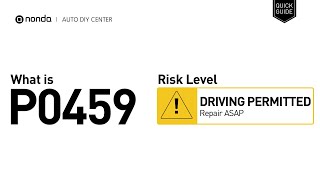
So, here’s the scoop: P0459 means your EVAP purge valve circuit is pulling more voltage than it should-usually thanks to a bad valve, a wiring gremlin, or sometimes a fuse or relay gone bad. It might not seem urgent, but ignore it and you could be in for bigger headaches down the line. My advice? Start by carefully checking wiring, connectors, and fuses, then zero in on the valve if needed. Don’t let it sit-deal with it now and you’ll save yourself trouble (and dollars) later. That’s how you keep your ride safe, reliable, and running clean.

 5421
 6 minutes of reading