
Causes Related to OBD Code P045A
From my time under the hood, nine times out of ten, a P045A code comes back to issues with the EGR solenoid or the wiring that runs to it. Here’s the usual suspects I run into:
- A worn-out or stuck EGR solenoid-these just get tired after years of heat and grime
- Too much resistance in the control circuit, often from a frayed, broken, or chewed-up wire harness
- Loose or corroded pins right at the EGR solenoid harness (a classic trouble spot, especially on older cars)
- Water sneaking into the EGR solenoid wiring-never underestimate what a little moisture can mess up
- Blockage inside the EGR solenoid itself, sometimes from carbon buildup holding it open or closed and confusing the circuit
- No power getting to the EGR solenoid due to issues upstream
- And in those rare, head-scratching moments, a bad PCM (the computer itself)
Most of the time, you’re looking at a bum solenoid or a wiring hiccup, but I’ve chased down every one of these causes at some point in my career.
Symptoms of DTC P045A
If you’re like most folks, the first (and sometimes only) thing you’ll spot is the check engine light staring back at you. But, if things are getting worse-like if the EGR solenoid is really jammed open or shut-you might notice your engine idling rough, misfiring when you hit the gas, or even stalling out at a stop. Trust me, once the running issues start, you’ve got bigger trouble brewing. Don’t let it slide.

Diagnosis Steps for OBD2 Code P045A
Let me walk you through how I track down a P045A. Some steps are pretty DIY-friendly, as long as you’re comfortable poking around under the hood:
- First thing I do? Pull up any technical service bulletins (TSBs) for your specific model. Sometimes the fix is already spelled out by the manufacturer.
- Next, I give the EGR solenoid and its wiring a thorough once-over. Look for physical damage, loose or greened-up connectors, or even water where it shouldn’t be. Here’s a pro-tip: gently wiggle the harness with the ignition on and watch for the check engine light to flicker-could reveal an intermittent connection.
- With ignition on (engine off), I’ll use a scan tool to command the EGR solenoid on and off. You should hear a solid click if it’s alive. No click? That’s a big red flag.
- If you get a click, check the ground side for resistance-should be under 1 ohm. High resistance points to wiring problems or maybe a blockage.
- If it doesn’t click, unplug the solenoid and use a test light across the two terminals while activating it with your scan tool. Light comes on? Solenoid’s shot. If the light stays dark, check for 12V at the power wire. No juice? Start tracing-could be a blown fuse or a break in the wiring.
- If all the above checks out, try manually grounding the control wire. If the test light fires up, your wiring’s okay and the solenoid’s the likely culprit. If nothing happens, you may have a break in the control circuit or the PCM isn’t doing its job.
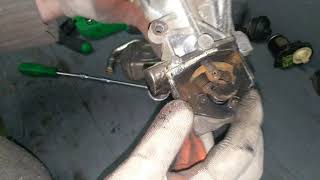
- And don’t forget-sometimes the solenoid itself is packed with carbon, jamming things up. Pop it off and check for blockages if all else fails.
Having an extra set of hands helps, especially for listening for clicks or keeping an eye on the test light. Two heads are better than one in the shop.
Common Mistakes When Addressing the P045A Trouble Code
A classic mistake I see all too often? Folks rush to swap out the EGR solenoid before checking the wiring or connectors. That’s an easy way to throw money at the problem without actually fixing it. Another one: ignoring water intrusion around the harness. Moisture causes all sorts of electrical gremlins that can drive you nuts. Oh, and skipping the TSB check-sometimes there’s a known fix that’s quick and painless. Forget any of these steps, and you’ll be chasing your tail (and wasting hard-earned cash) for nothing.

How Serious Is the P045A Engine Code
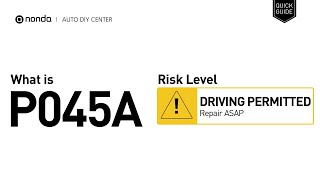
P045A might not seem like a big deal if all you see is a check engine light, but let me tell you-things can go from mild to ugly in a hurry if you ignore it. If that EGR solenoid is stuck open, your car could start running rough, stalling, or even misfiring. That kind of abuse can toast your catalytic converter before you know it. If it’s stuck closed, your emissions shoot up and you’re bound to flunk your next inspection. My advice? Don’t let this one sit. Tackle it now before it snowballs into a bigger, more expensive repair.
Repair Solutions for P045A
Here’s what usually gets the job done when it comes to fixing a P045A-straight from my experience and what the manuals recommend:
- Swap out the EGR solenoid if it’s jammed, dead, or acting up
- Repair or replace any wonky wiring or crusty connectors in the EGR circuit
- Clear out blockages in the EGR solenoid or its passages-carbon’s a common culprit
- Fix any power issues to the solenoid, like bad fuses or broken wires
- On rare occasions, you might need to replace the PCM if it’s not properly grounding the circuit
Don’t forget to clear that code and take the car for a test drive to make sure you actually solved the problem-nobody wants to see that light come back on right after a repair.


Conclusion
So, here’s the deal: P045A means your EGR system isn’t working right, usually because of an issue with the solenoid or its wiring. Ignore it, and you’re risking rough running, higher emissions, and maybe even engine damage. My best advice? Start simple-inspect the wiring and connectors, then move on to testing the solenoid. Most fixes are pretty straightforward if you stay methodical. Don’t skip the basics, and act fast to keep your ride smooth and avoid bigger headaches down the road. Trust me, a little attention now saves a lot of trouble later.

 4480
 6 minutes of reading