
Main Causes for obd code P045E Issues
From my time under the hood, here are the usual suspects behind a P045E:
- The EGR valve itself is toast-either worn out or the electronics inside fail.
- Carbon buildup or little bits of junk jamming up the EGR valve plunger-this one’s a classic on high-mileage rides.
- A dead EGR solenoid or actuator-if the solenoid can’t move the valve, it’ll get stuck in the wrong spot.
- Wiring or connector problems in the EGR B control circuit-broken, shorted, or just corroded connections are more common than you’d think.
- A bad DPFE (Differential Pressure Feedback EGR) sensor-this is the sensor that tells the PCM what the EGR’s up to.
- A faulty EGR valve position sensor-sometimes this is built right into the valve assembly.
- Every now and then, a glitchy PCM or bad software update-rare, but I've seen it on a few oddball cases.
If I had to bet, I’d put my money on either a sticky, carbon-clogged valve or a failed solenoid, especially if the car’s got some age on it.
Recognizing dtc P045E Symptoms in Your Vehicle
Here’s what you’ll likely notice when this code is hanging around:
- A rough, shaky idle, especially at stops-this is usually the first thing drivers mention to me.
- Your fuel economy takes a hit-the engine just isn’t running as efficiently.
- The exhaust might smell a little off or seem lean.
- Sometimes, you’ll see other codes pop up along with this one.
In my experience, that rough idle is the most common flag, and the check engine light is never far behind.

Effective obd2 code P045E Diagnostic Steps
Here’s how I go after a P045E code, step by step:
- I always kick things off with a good visual once-over. Check every bit of wiring and connectors heading to the EGR valve and its sensors. Look for anything loose, green with corrosion, or chewed up. Here’s a pro-tip: have someone gently wiggle the harness while you watch for movement or intermittent faults.
- Next, I grab my scan tool, pull every stored code and jot down the freeze frame data. You want that info handy, especially if the problem isn’t constant.
- After that, I clear the codes and take the car for a spin. If P045E returns, I use the scan tool’s live data to compare the ‘desired’ EGR valve position against the ‘actual’ position. If those numbers don’t line up, odds are you’re looking at carbon buildup or a stuck valve.
- If the EGR valve isn’t a pain to get at, I’ll pull it off and check for carbon or debris. On older cars, this is almost a given. Clean out the gunk and make sure that plunger isn’t seized up.
- If the valve’s clean, I’ll break out the multimeter and follow the manufacturer’s test steps for the EGR solenoid and position sensor. Double-check resistance and voltage at the right pins-always use the right wiring diagram for your model.
- If all that checks out, I move on to testing the wiring between the PCM and the EGR valve for continuity and shorts. Unplug every controller before you poke around or you could fry something expensive.
- Find a bad part? Swap it, clear the codes, and drive the car until the PCM says all systems are go.
Start simple: check for wiring issues and carbon first. Diving into sensors and electrical tests comes after that. Saves time and parts.
Common P045E trouble code Mistakes to Avoid
One thing I see all the time-folks toss a new EGR valve at the problem before checking for carbon or wiring gremlins. That’s a great way to throw away money. Another misstep? Skipping the live data check between desired and actual EGR positions. That one step can make or break your diagnosis. Don’t ignore the connectors either; corrosion sneaks up fast if your car’s seen rain or snow. And always stick to the test procedure from the manufacturer-playing guessing games will just have you spinning your wheels.

How Serious is a P045E code for Your Engine
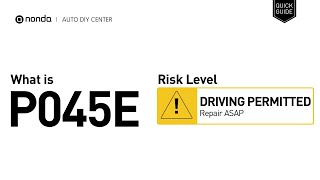
This is one you really shouldn’t brush off. When the EGR valve sticks open, you’re risking rough running, lousy fuel mileage, and-even worse-stalling at the wrong moment. In some cases, you can get engine knock or even overheating, which can do a real number on pistons, valves, or your catalytic converter. Things can go from a small annoyance to a full-blown repair bill in a hurry if you leave it. My advice? Fix it now and save yourself a whole lot of trouble (and cash) later.
Repairing a P045E engine code Effectively
Here’s what usually does the trick for a P045E, based on what I see in the shop and what the OEMs recommend:
- Clean or swap out the EGR valve if it’s gunked up or sticking.
- Repair or replace any busted wiring or crusty connectors in the EGR circuit.
- Put in a new EGR solenoid, actuator, or position sensor if they’re toast-sometimes these are built right into the valve.
- If your car has one, a bad DPFE sensor can also be the root cause, so check and replace if needed.
- In rare cases, you might need to update or reflash your PCM software if there’s a known bug.
Whatever the fix, always clear the code when you’re done and drive the car until the PCM gives you the all-clear. That’s how you know you nailed it.

Conclusion
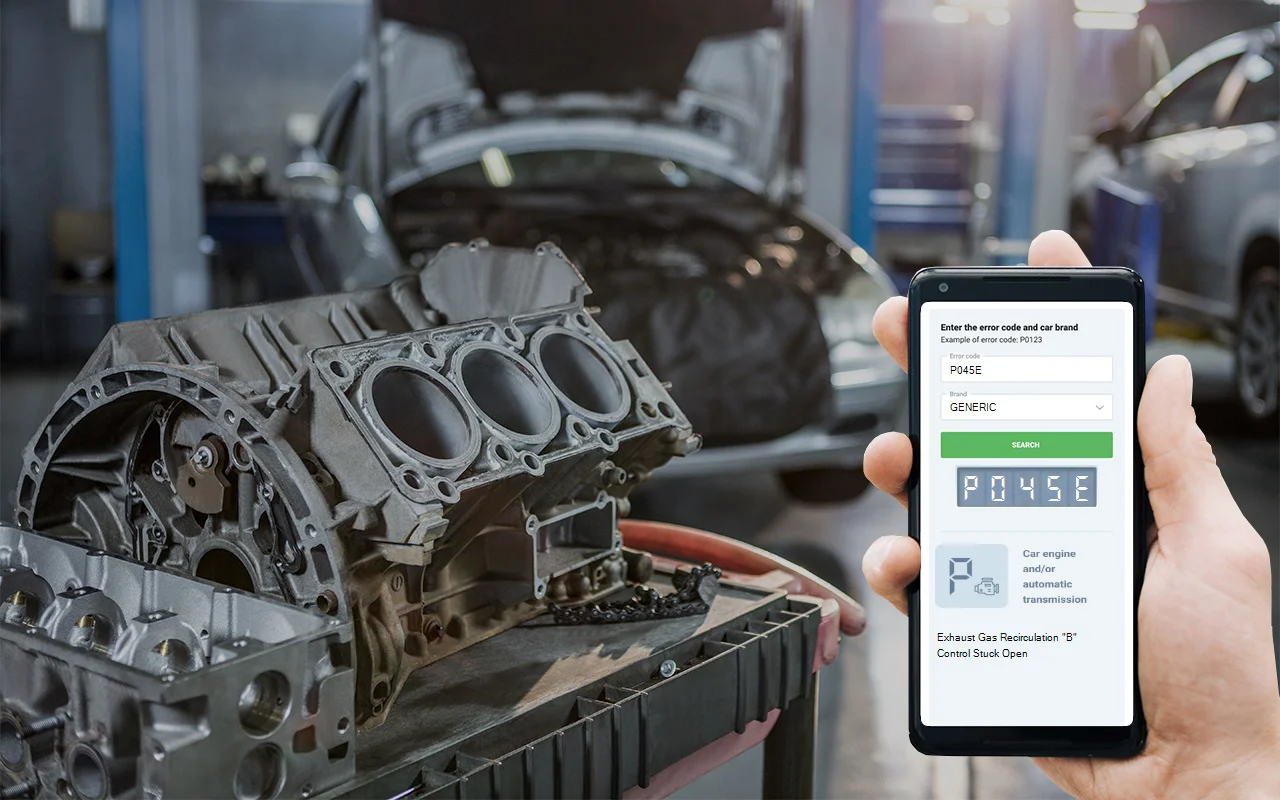
Bottom line-if you’re staring at a P045E, your EGR valve isn’t doing what your PCM wants, usually thanks to being stuck open or a control hiccup. That leads to rough running and a handful of other headaches, so don’t sit on it. Start with a good check for carbon and wiring issues, then test the sensors and solenoids if you need to. Nine times out of ten, cleaning or swapping the valve gets you back on the road. Don’t drag your feet-fixing it now keeps your engine running smooth and your wallet a lot happier in the long run.
 6112
6112 6 minutes of reading