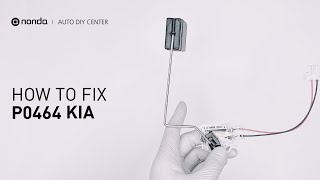
P0464 is a diagnostic trouble code that points to a problem with the fuel level sensor circuit, specifically an intermittent issue. The fuel level sensor (sometimes called the FLS) sits inside your fuel tank, usually attached to the fuel pump module. Its job is to measure how much fuel you have and send that information as an electrical signal to your car’s main computer (the PCM). The PCM then shares that data with your dashboard gauge and other systems that track things like fuel economy and range. If the PCM notices that the signal from the fuel level sensor jumps around or doesn’t match what it expects, even for a split second, it will set this code. In short, P0464 means your car’s computer isn’t getting a steady, reliable reading from the fuel level sensor, which can mess with your fuel gauge and related systems.
DTC P0464
 4637
4637 6 minutes of reading
Causes of P0464 engine code
From experience, the most common reasons for a p0464 code are issues with the wiring or connections to the fuel level sensor. Here’s what I usually see:
- Loose, corroded, or damaged wiring or connectors at the fuel tank-these are notorious for causing trouble, especially in older vehicles or those driven in wet climates.
- Mechanical problems with the fuel level sensor itself, like the float arm getting stuck or worn out.
- Intermittent short circuits to power or ground in the sensor’s wiring harness.
- Very rarely, a problem with the car’s main computer (PCM), but that’s not common at all.
Most often, it’s a wiring or sensor issue, not the computer. I recommend starting your checks there.
Symptoms of P0464
When this code pops up, you’ll probably notice a few things. The most obvious is that your fuel gauge might act up-showing empty when you know you have gas, or stuck on full. Sometimes it jumps around or doesn’t move at all. You might also see the check engine light come on. Some drivers notice their estimated range or fuel economy readings are way off. In rare cases, you might run out of gas unexpectedly because the gauge isn’t telling you the truth. It’s frustrating, and honestly, it can leave you stranded if you’re not careful.

Diagnosis and dtc P0464
Let me walk you through how I go after a dtc P0464 code in the shop-and if you’re handy, you can tackle a lot of this yourself. First thing I do? Check for technical service bulletins (TSBs) specific to your make and model. Sometimes, there’s a known issue or a quick software flash that sorts it out. Next up, I find the fuel level sensor-usually perched on top of the tank. Depending on your vehicle, getting to it might mean peeling back the trunk carpet or popping out the rear seat.
- Take a good look at the wiring and connectors. I’m talking about searching for corrosion, frayed wires, melted plastic, or anything that looks out of place. Don’t overlook those connector pins-green crud inside is a dead giveaway of corrosion.
- If you spot any corrosion, spray the terminals down with electrical contact cleaner, work them over with a soft brush, and let everything dry. A dab of dielectric grease before reconnecting helps keep future trouble at bay.
- Clear the code using a scan tool and see if the code pops back up. Nine times out of ten, a bad connection is your culprit, and you’ll be back in business.
- If the code comes right back, it’s time to break out a digital voltmeter. With the key off, unplug the sensor and check for proper voltage at the harness-usually 5 or 12 volts, but always check your specs. Wiggle the wiring while you’re at it. If the voltage jumps, you’ve got a break or intermittent short hiding somewhere.
- If voltage checks out, test the sensor’s resistance with an ohmmeter. Move the float if you can (sometimes you’ll have access with the tank open). The resistance should sweep smoothly. If it’s stuck, erratic, or doesn’t budge, the sensor’s toast.
- Only after wiring and sensors check out do I start suspecting the PCM-and that’s a rare bird.
If you’re working under the car or moving the float, it’s wise to have a helper. And always-always-be careful with fuel vapors. No sparks, no open flames. Safety first, every time.
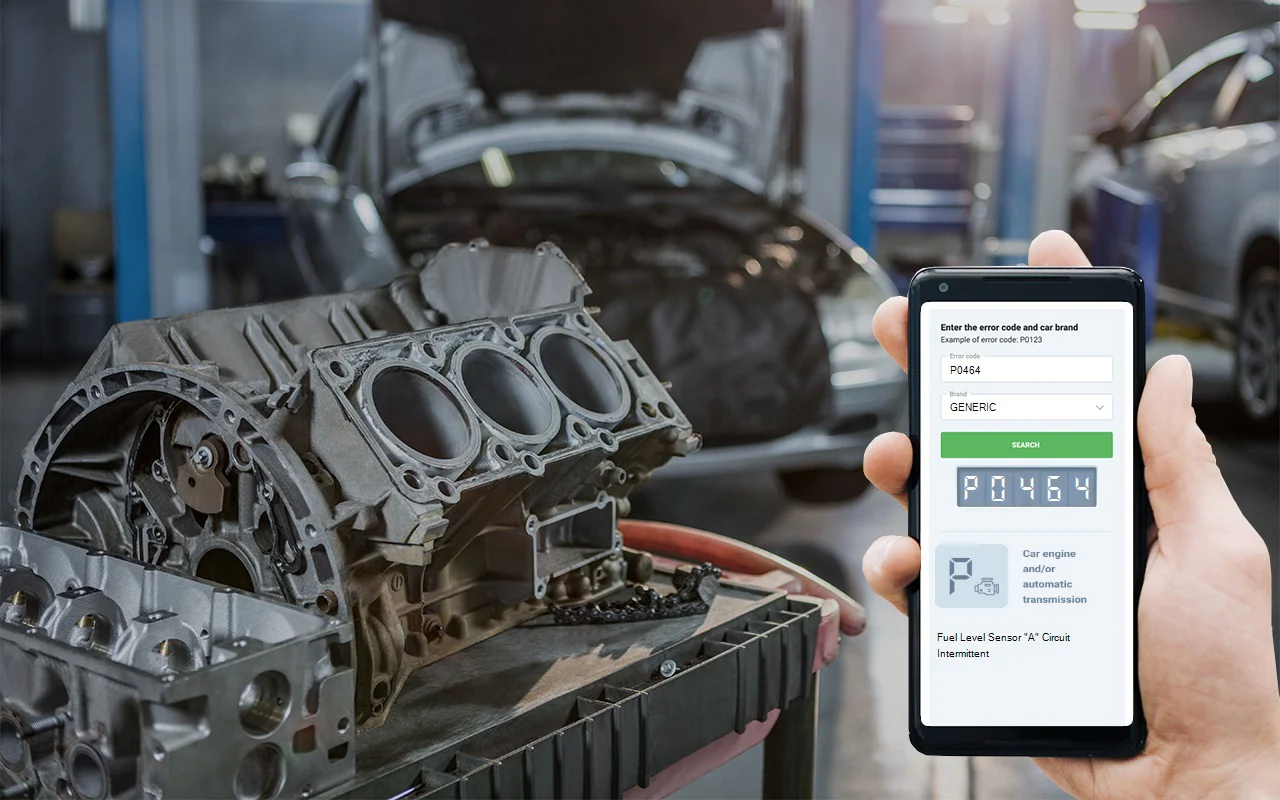
Common Mistakes when repairing P0464 trouble code
I’ve seen a few common missteps with this p0464 trouble code. People often jump straight to replacing the fuel level sensor without checking the wiring or connectors first. That’s a surefire way to waste money, since most issues are with the connections. Another mistake is ignoring technical service bulletins-sometimes there’s a simple software fix. And don’t forget to check for corrosion inside the connector; it’s easy to miss but causes a lot of headaches. Skipping the basic visual inspection is a big one-always start simple before tearing into the tank.

Seriousness of obd code P0464
This isn’t something you want to ignore. While it might not seem urgent if your car still runs fine, a faulty fuel level reading can leave you stranded with an empty tank, or worse, cause you to overfill and spill fuel. If the gauge is stuck or lying to you, you’re driving blind when it comes to fuel. Things can go south quickly if you run out of gas in traffic or in a remote area. Plus, repeated overfilling or running dry can damage your fuel pump, which is an expensive fix. Don’t put this off for later-get it checked out as soon as you can.
Repair steps for P0464 code
When I’m fixing a p0464 code, here’s what usually gets the job done-straight from the trenches and OEM playbooks:
- First, clean and snug up the wiring connectors at the fuel level sensor and fuel pump module. Poor contact here is the top troublemaker.
- Patch up or swap out any wiring you find that’s nicked, corroded, or otherwise looking worse for wear.
- If the float’s jammed or the sensor’s readings are all over the place, it’s time for a new fuel level sensor.
- Every now and then, you’ll find a PCM that needs a firmware update-watch for TSBs that call this out.
- On the rarest of occasions, if every other part checks out and the PCM itself is at fault, you might need to replace or reprogram it. But don’t go there until you’ve ruled out everything else.
Here’s a pro-tip from the garage: always start with the simple stuff-connections and wiring-before shelling out for new parts.
Conclusion
So, P0464 boils down to your car’s computer not getting a clear, steady signal from the fuel level sensor-which throws off your gauge and leaves you playing a guessing game at the pump. Most of the time, the real culprit is a wiring or connector issue. I’ve fixed countless ones just by taking the time to clean corroded plugs or patch up dodgy wires. Don’t brush this code aside; running out of fuel or damaging your pump is no fun and can get expensive fast. Start with the basics: check and clean those connections, then move on to the sensor if you need to. That’s the surest way to get your fuel gauge-and your confidence-back where it should be.