
Let me break down what code P0465 means for your vehicle. This code stands for 'EVAP Purge Flow Sensor Circuit.' In plain English, your car’s computer (the PCM) is keeping an eye on a part of the emissions system called the EVAP purge flow sensor. This sensor helps monitor if fuel vapors are being properly routed from the fuel system back into the engine to be burned, instead of escaping into the air. The system’s job is to keep those gasoline vapors from polluting the environment. When the PCM notices that the sensor isn’t working right-either due to an electrical or mechanical problem-it triggers this code. It’s all about making sure the purge flow is happening as it should when the system commands it. If the readings from the sensor don’t match what the computer expects, even for a moment, you’ll get that check engine light and the P0465 code.
DTC P0465
 5880
5880 6 minutes of reading
Causes and dtc P0465
From my time turning wrenches, I can tell you that the root causes behind a p0465 code aren’t usually mysterious. Here’s what I run into most:
- The EVAP purge solenoid failing-this little guy is responsible for controlling vapor flow, and when it goes bad, it throws the whole system off.
- Wiring or connector issues in the purge flow sensor circuit-a loose connector, a frayed wire, or some corrosion can sneak in and cause trouble.
- Every now and then, the PCM itself can have a hiccup, but honestly, that’s at the bottom of the list. It’s rare in my experience.
So, if you’re just starting your diagnosis, make your first stop at the solenoid and the wiring. Nine times out of ten, that’s where the culprit is hiding.
Symptoms and P0465 code
If you’ve got a P0465 code, here’s what you’ll probably notice-straight from the driver’s seat:
- The check engine light will be staring you down. Sometimes, that’s the only sign you’ll get.
- Keep an eye on your gas mileage. If you notice you’re filling up more often, poor fuel economy might be creeping in because of this issue.
Most of the time, you won’t feel much in the way the car drives, but trust me, ignoring it can set you up for bigger headaches later on.

Diagnosis and P0465 engine code
When I run into a P0465 engine code, here’s how I get to the bottom of it-and you can follow along if you’re handy with some basic tools:
- First off, grab your scan tool and check for codes. Clear the codes, then see if P0465 pops up again right away. Sometimes, it’s just a random glitch; other times, it’s a persistent problem.
- Next, do a good visual inspection of the wiring and connectors at the EVAP purge solenoid and sensor. I can’t tell you how many times I’ve found a barely-seated connector or a wire with the insulation rubbed through. Look for anything out of place-broken wires, greenish corrosion, loose plugs.
- After that, I’ll whip out the multimeter and check for voltage and ground at the sensor and solenoid connectors. If you’re not seeing what you should, you might have an open circuit or a bad ground on your hands.
- Then, I’ll test the purge solenoid itself. A quick way is to apply 12 volts across the terminals and listen for a click. No click? That solenoid’s probably toast. You can also use a scan tool to turn it on and off if your setup supports it.
- If all that checks out, I’ll move on to live data with a scan tool. Watch the sensor readings-if they’re dead or stuck at one value, that sensor could be the offender.
- And finally, if everything else looks good, I’ll reluctantly consider the PCM. But honestly, in all my years, it’s seldom the case.
Here’s a pro-tip: rope in a buddy to help you out, especially when you’re checking wiring or operating the scan tool. Makes life a lot easier and safer.

Common Mistakes with P0465
A classic mistake I see: folks swap out the purge solenoid right away, without ever checking the wiring or connectors. That’s a quick way to waste cash if a simple loose connector or busted wire is the real problem. Another thing I notice-people overlook the sensor itself, focusing only on the solenoid. Always go after the basics first. And don’t skip checking the sensor’s signal with a scan tool. Jumping to conclusions without solid data just leads to frustration and unnecessary parts swapping.

Seriousness of obd code P0465
Now, you might think this code isn’t a big deal, but let me tell you-it can spiral into bigger issues if you let it slide. Running your car with a p0465 can tank your gas mileage and mess up other emissions parts. If you ignore it, you could end up with even more trouble codes, potential damage to the charcoal canister, or even problems with the PCM itself. I’ve seen cars fail emissions tests because of this, or have performance go downhill. So, don’t put it off-get it sorted before it turns into a major headache.
Repair and P0465 trouble code
When it comes to fixing a p0465 trouble code, here’s what’s worked for me and what the official guides recommend:
- Patch up or replace any damaged wiring or connectors in the purge flow sensor circuit. Even a tiny break can throw the system off.
- Swap out the EVAP purge solenoid if it turns out to be faulty or isn’t clicking on command.
- If your car uses a separate purge flow sensor and it’s gone bad, replace that too.
- The PCM? Only touch that as a last resort-like I said, it’s rare, but if you’ve ruled out everything else, reprogramming or replacement might be necessary.
Don’t forget: Always clear the code and take the car out for a test drive after repairs to make sure you nailed the fix.
Conclusion
Here’s the bottom line: P0465 means your car’s computer spotted a problem in the EVAP purge flow sensor circuit-a vital piece for managing fuel vapors and keeping emissions down. The best bet is to tackle this early, starting with the simple stuff like wiring and the purge solenoid, since those are usually the troublemakers. Letting it go will only lead to bigger, more expensive problems. What I’ve learned over the years is that careful, step-by-step troubleshooting always wins out. Take your time, check each part, and you’ll keep your car running clean and strong.
- Causes and Fixes Ford P0456 Code: Evaporative Emissions System Small Leak Detected
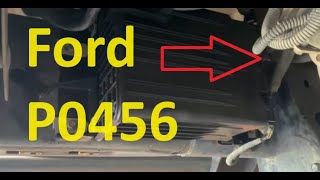
- How to Diagnose and Fix P0465 Engine Code - OBD II Trouble Code Explain

- How to Fix P0456 Engine Code in 3 Minutes [2 DIY Methods / Only $4.44]

- P0465 Purge Flow Sensor Circuit Malfunction 🟢 Trouble Code Symptoms Causes Solutions
