
Causes of P0474 code
From experience, the most common reasons I see for a p0474 are:
- A clog or blockage in the small tube running from the exhaust manifold to the pressure sensor-carbon buildup is a usual suspect here.
- Leaks in the EGR (exhaust gas recirculation) system, intake, or boost hoses-any air leaks can throw off the readings.
- Intermittent open or short in the sensor’s ground or signal wiring-worn, rubbed, or burned wires are a frequent culprit.
- Corroded or loose electrical connectors at the sensor-moisture and heat can really do a number on these.
- A faulty exhaust gas pressure sensor itself-sometimes they just fail with age or contamination.
- Very rarely, a problem with the engine control module (PCM), but that’s not common and usually only after everything else checks out.
Most often, it’s a simple blockage or wiring issue rather than a failed sensor or computer.
Symptoms of obd2 code P0474
When this code is active, here’s what you might notice:
- The check engine light will definitely come on.
- You might feel a loss of power, especially when accelerating or towing.
- If you have a diesel with a DPF, the truck may not be able to do a manual regeneration to burn off soot-this can eventually lead to a no-start condition if the filter gets too clogged.
- Sometimes, you’ll notice rough running or poor throttle response.
In some cases, there aren’t many obvious symptoms at first, but ignoring it can quickly lead to bigger headaches.

Diagnosis and dtc P0474 troubleshooting
Let me walk you through how I’d tackle a dtc p0474 in the shop:
- I always start by checking for any technical service bulletins (TSBs) for your ride. A lot of headaches can be avoided if there’s a software update or a known fix from the manufacturer.
- Next, I track down the exhaust gas pressure sensor and disconnect the hose from the exhaust manifold. I’ll try blowing through the line-if your cheeks puff up like a balloon, you’ve got a clog, usually carbon. A bit of mechanics wire can break it loose, but don’t shove too hard and risk splitting the tube.
- Once the passage is clear, I give the wiring and connectors a good look. I’m hunting for cracked insulation, melted spots, or bare wires rubbing on metal. Corroded pins in the connector? That’s a big red flag-clean them out with contact cleaner and a soft brush.
- After that, I scan the turbo and intake plumbing for loose clamps or split hoses. Even a tiny leak can set off this code.
- Still stuck? Out comes the digital voltmeter. I check for a steady 5 volts at the sensor (not 12), check the ground, and look for a solid signal back to the PCM. If something’s off, I’ll trace the harness for breaks or pinched wires.
- Sometimes, just wiggling the wiring harness while watching the voltmeter can show an intermittent fault. If the signal jumps around, you’ve got yourself a sneaky wiring issue.
- If everything checks out and the code won’t go away, then it’s time to swap in a new exhaust gas pressure sensor. Only after all that would I suspect the PCM, and that’s rare.
Here’s a pro tip: always start with the easy stuff-blockages and wiring-before throwing parts at the problem.
Common Mistakes with obd code P0474
I’ve seen plenty of folks trip up with this one. Here are the biggest blunders:
- Going straight for a new sensor before checking for a clogged tube or damaged wiring. That’s a waste of cash and rarely fixes the actual issue.
- Missing corroded or loose connectors-trust me, they’re a major source of headaches and can make the problem come and go.
- Ignoring TSBs or software updates. Sometimes the answer is as simple as a quick reflash at the dealer.
- Overlooking tiny intake or EGR leaks. Even the smallest crack or loose clamp can throw the whole system off.
Slow down and double-check the basics. It’ll save you time, money, and a lot of frustration.

Seriousness of P0474 engine code issues
Take it from me-this isn’t a code you want to ignore. Letting a P0474 ride can end up choking your DPF (if you’ve got one) to the point where your truck won’t even start. You’re also likely staring down reduced power and worse fuel mileage. In a worst-case scenario, too much exhaust backpressure can toast your turbo, fry the EGR valve, or even do real harm to the engine. That’s a serious risk, especially if you’re hauling heavy loads or working the truck hard. Things can go sideways real fast if you put this off, so get after it sooner rather than later.
Repair steps for P0474
From what I've seen, these fixes get the job done most of the time:
- Clear out any carbon or gunk clogging the tube between the exhaust and the sensor. Nine times out of ten, that’s your culprit.
- Patch up or swap out any damaged wiring or cracked connectors at the sensor.
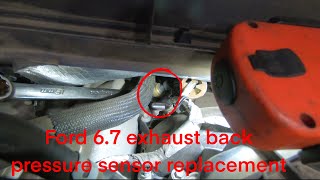
- If the sensor itself is shot, replace it with a quality new one.
- Seal up any leaks in the EGR, intake, or boost hoses-tighten those clamps, or swap out any hoses that look past their prime.
- Every once in a while, you’ll need to reprogram or replace the PCM, but that’s a last resort after you’ve checked everything else.
Honestly, a thorough cleaning and a close look at the wiring sorts this issue out most of the time.

Conclusion
Here’s the bottom line: P0474 means your exhaust gas pressure sensor isn’t giving the computer the info it needs, and that throws a wrench into both performance and emissions controls. Don’t put off chasing this down-start by looking for blockages and wiring faults, since they’re usually the culprits and are easy to fix. Letting this code slide, especially on a diesel with a DPF, can turn a small repair into a wallet-busting mess, or even leave you stranded. The smart move is to work methodically through the simple checks first, and if you hit a wall, don’t be afraid to call in a pro. Tackling the issue early is the best insurance against a bigger headache later on.
 4736
4736 6 minutes of reading