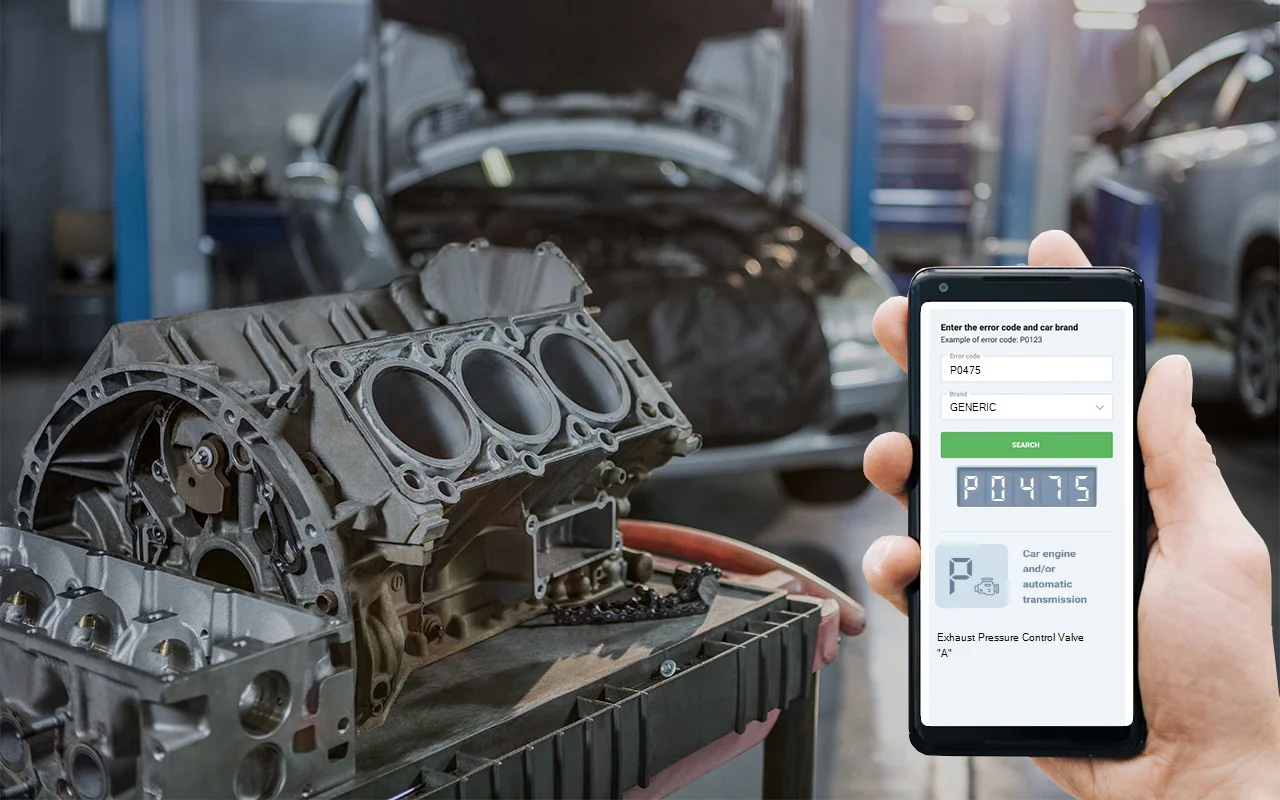
Let me break this down from the shop floor: When you see a P0475 code, it means your car’s computer (the PCM) is sounding the alarm about the exhaust pressure control valve-specifically, Valve A. This part matters most on a lot of diesel engines. I’ve seen it time and again-its main job is to regulate exhaust back pressure during cold starts. Why? So your engine heats up quicker and your heater gets blowing warm air faster, which makes those winter mornings a whole lot more bearable. This valve isn’t tucked away; it sits right in the exhaust stream, adding just enough resistance to help the engine and cabin warm up. If the PCM catches this valve slacking off-maybe it’s stuck, not moving, or there’s an electrical hiccup-it’ll flip on the P0475 code. Bottom line: this isn’t just about comfort. It ties right into your engine’s performance and your car’s heater. Ignore it, and you’ll feel it in more ways than one.
DTC P0475
 4995
4995 6 minutes of reading
Common Causes of P0475
From my years in the garage, the number one reason for a p0475 code is a failed exhaust pressure control valve. That’s the part actually doing the heavy lifting. But don’t stop there-wiring headaches are right behind. I’ve run across harnesses with cracked insulation, corroded pins, or wires rubbed raw against metal. Every once in a blue moon, the PCM itself is the culprit, but that's the rare exception in my book. Here’s what I see the most:
- Bad exhaust pressure control valve
- Wiring or connector issues-think broken wires, shorts, or corrosion
- PCM failure (not common, but it happens)
My advice? Always start by looking at the valve and wiring. Nine times out of ten, you’ll find your problem there before blaming the computer.
Symptoms Linked With P0475 Trouble Code
When that p0475 code sets, here’s what you’re likely to notice. First thing-check engine light pops on. Can’t miss it. Then, on cold mornings, the engine just seems lazy getting up to temperature. Your heater might blow cool air for way too long, which is a real drag in freezing weather. Sometimes, you’ll feel the power drop, like the engine just isn’t pulling like it used to. Sluggish acceleration is a dead giveaway. And here’s one folks don’t always catch-engine braking gets weak. If you’re used to the engine slowing you down when you lift off the gas, that might not happen as much. If you spot any mix of these signs, don’t let it slide. Get it checked before small issues turn into big ones.

How to Diagnose dtc P0475
Here’s how I chase down a dtc p0475, and you can follow this roadmap if you’re handy with tools. I always kick things off with a close look-grab a flashlight and check the wires and connectors running to the exhaust pressure control valve. Keep your eyes peeled for any obvious damage, loose plugs, or green fuzz from corrosion. Don’t forget to eyeball the valve itself-sometimes soot or debris can jam things up. Next, I’ll hook up a scan tool: clear the code, fire up the engine, and see if the code comes right back. If your scan tool lets you, try cycling the valve on and off and listen for any movement or clicks. No sound? Time to pull out the multimeter and check for power and ground at the valve’s connector. If the wiring’s good but the valve’s dead, you’ve found your bad part. But if you’re missing power or ground, you’ll want to trace the harness back towards the PCM and hunt for broken or shorted wires. Only after all that do I start suspecting the PCM. Trust me, it’s usually not the computer. Pro tip: always let the exhaust cool down before you get your hands near it, and having a buddy spot you while you’re under the car is never a bad idea.
Common Mistakes When Fixing P0475 Code
Here’s a classic pitfall I see all the time-folks yank out the exhaust pressure control valve and slap a new one in, without ever checking the wiring or connectors. Don’t fall into that trap. Skipping the basics, like spotting a blown fuse or a barely hanging-on connector, can cost you. You’d be surprised how many times it’s just a loose plug. Another miss? Not using a scan tool to actually command the valve and check for a response. Just because you’ve got a code doesn’t guarantee the valve itself is bad. And here’s something seasoned techs never skip-checking for technical service bulletins (TSBs). Sometimes the fix is simpler than you think, thanks to a known issue or an update from the manufacturer. Save yourself headaches by doing this legwork up front.

How Serious is obd code P0475
Let me put it straight-this isn’t a code to shrug off. While you might not end up stranded at the side of the road, you’re risking poor engine performance, slow warm-ups, and even weaker engine braking. If you count on your car in cold weather or drive in hilly country, you need this system working right. Letting p0475 slide can pile on extra wear to your engine and exhaust, and in some cases, it’ll take out the PCM or fry a harness. Problems can snowball before you know it, so don’t wait for trouble to find you-get it handled while it’s just a code, not a catastrophe.
Repair Steps for obd2 code P0475
Nine times out of ten, swapping out the busted exhaust pressure control valve does the trick. Here’s my usual game plan:
- Replace the exhaust pressure control valve if it’s unresponsive or damaged
- Patch up or swap any chewed-up wires or sketchy connectors in the circuit
- Clear the code, take it for a spin, and see if it comes back
- If everything else checks out but issues remain, consider reprogramming or replacing the PCM-but only as a last resort
Start simple-always check the wiring before you go buying parts. And when it’s time to replace anything, stick with OEM components. They save you headaches down the road.
Conclusion
Here’s the bottom line: P0475 means your exhaust pressure control valve’s out of commission, which leads to slow warm-ups, lackluster performance, and even weak engine braking. This isn’t something you want on the back burner-it’s a mid-to-high priority fix. Get your eyes on the wiring and connectors first, then tackle the valve. Most times, fixing those gets you back in business. If you’re not comfortable digging in, don’t hesitate to call in a pro. Fixing this sooner rather than later keeps your vehicle running strong and your drives safe.