
Causes of P0476 trouble code
In my experience, the main culprits behind this code usually boil down to a handful of things:
- Exhaust pressure control valve failure-sometimes these valves seize up or stop responding to commands, either mechanically or electrically.
- Wiring or connector issues-I can't tell you how many times I've found a corroded plug or a broken wire causing all kinds of trouble between the valve, sensor, and PCM.
- PCM faults-not common, but every so often the computer itself misreads what it's getting from the sensor.
- Clogged sensor tube or carbon buildup-especially with diesels, soot can clog up that tiny tube feeding the sensor, leading to bogus readings.
Honestly, most of the time it's the valve or a wiring fault. But don't overlook that sensor tube-on older diesels like some Fords and Renaults, carbon buildup in there can be a real headache.
Symptoms of P0476 engine code
So, what tips you off that you might be dealing with a P0476? Here are the most common things you'll notice:
- That check engine light is almost guaranteed to pop on.
- You might feel the engine dragging or see a drop in power, especially when you try to accelerate or climb a hill.
- Engine braking takes a hit-if you're used to letting off the gas and feeling your truck slow down, suddenly it might just coast along instead.
- Warm-up times stretch out-your heater takes forever to kick in, and the engine just feels lazy when it's cold.
Every now and then, you'll also see your fuel mileage take a dive, or the engine might start to run hotter than normal, especially if back pressure is stuck high. When that valve sticks closed, it can make the engine feel like it's working through molasses.

Diagnosis steps for P0476
Let me walk you through how I usually chase down this code in the bay:
- First thing, scan for other codes. Sometimes the real problem is hiding in plain sight with a related code.
- Next, do a solid visual check. Get your flashlight and inspect all the wiring and connectors running to the exhaust pressure control valve and the sensor. Look for frayed wires, busted insulation, or any signs of corrosion. Take a close look at the connectors for moisture or that telltale green fuzz.
- After that, check the sensor tube if your vehicle has one. On a lot of diesels, there’s a little metal tube from the exhaust to the sensor-these love to clog with soot. Pull it off and make sure it's clear. If it's packed with carbon, clean it out before moving on.
- Then, hook up a scan tool and watch the live data for the exhaust pressure sensor. Open and close the valve with the scan tool if you can, and see how the sensor readings react. If nothing changes, or the numbers make no sense, that’s a big red flag.
- If the basics check out, it’s time to test the valve itself. Some valves can be triggered with the scan tool, others need voltage applied directly-double-check your manual for the right method. If the valve won’t budge, odds are it’s the culprit.
- If you’ve run through all that and still have the code, check the PCM’s outputs and grounds. That said, in all my years, I’ve rarely seen a PCM be the root cause for this code.
Here's a pro-tip: Always start simple-wiring issues and clogged tubes are way more common than failed electronics. And if you're not comfortable poking around with a multimeter, grab a buddy who is.
Common Mistakes when fixing dtc P0476
One mistake I see all the time is folks rushing out to swap the exhaust pressure control valve before checking the wiring or that sensor tube. That's a quick way to waste your money and time. Another classic slip-up? Forgetting about that sensor tube on diesels-a clog there can mimic a bad valve. And don’t skip checking for other codes; sometimes the actual issue is hiding elsewhere in the system. Skipping the basics leads to unnecessary part swapping and plenty of frustration.

Seriousness of P0476 code
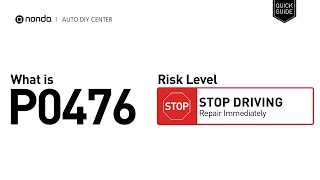
Take it from me-this isn’t a code you want to brush off. If the exhaust pressure control valve jams or fails, you could wind up with way too much back pressure, risking overheating, sluggish performance, or even turbo and exhaust system damage. On the flip side, not enough back pressure during cold starts means your engine stays cold longer, your heater drags its feet, and the whole rig just feels off. Especially if you’re towing or braving cold weather, letting this code slide can lead to a world of hurt. It's just not worth rolling the dice-get it sorted sooner than later.
Repair guide for obd code P0476
Here’s how I usually get a handle on this one:
- First up, clean or replace the exhaust pressure sensor tube if you find it clogged with soot or carbon.
- Fix any sketchy wiring or connectors between the valve, sensor, and PCM-this alone solves a lot more cases than you’d think.
- If the exhaust pressure control valve fails a bench test, swap it out for a new one.
- And in those rare instances where everything else checks out, reflash or replace the PCM as a last resort.
Once you've done the fix, clear the code and take the car for a spin to make sure it’s truly sorted. My advice? Double-check your wiring and that sensor tube before dropping cash on parts. You'll thank yourself later.


Conclusion
Bottom line: P0476 means your exhaust pressure control valve isn’t doing its job, and that can throw off engine warm-up, power delivery, and even engine braking. It's not something to downplay-if you let it go, you're setting yourself up for bigger headaches. Start with the easy stuff: eyeball the wiring, clean out the sensor tube, and only then move on to testing or replacing the valve. Nine times out of ten, a little cleaning or a new valve sorts it out. Jump on it early and you’ll keep your rig running strong and avoid those wallet-busting repairs down the road.
 5288
5288 7 minutes of reading