
Causes of P0477 trouble code
From experience, I can tell you that most often the p0477 code is triggered by electrical issues in the circuit that controls the exhaust pressure valve. Here’s what I see most commonly:
- A short to power in the wiring between the exhaust pressure control solenoid and the engine computer (PCM)
- An open circuit (broken wire) between the solenoid and PCM
- A short to ground in the power circuit for the solenoid
- A faulty relay that controls the exhaust pressure valve
- A failed exhaust pressure control solenoid itself
- Very rarely, a bad PCM (engine computer), but that’s almost never the case in my experience
Symptoms of P0477 engine code
When this code is active, you’ll usually notice a few things. The check engine light will come on, of course. You might feel a lack of power, especially when you’re towing or going up hills. Engine braking might not work like it should, so the truck doesn’t slow down as much when you let off the gas. In colder weather, the engine might take longer than usual to warm up. If you’re seeing any of these, it’s a good idea to get it checked out sooner rather than later.

P0477 diagnostic process
Here’s how I usually tackle a p0477. First, I always check for any technical service bulletins (TSBs) for your specific vehicle-sometimes the fix is as simple as a software update for the engine computer. Next, I locate the exhaust pressure control solenoid. Once I’ve found it, I do a thorough visual inspection of the connectors and wiring. I’m looking for chafed wires, bare spots, melted plastic, or any signs of corrosion-especially green or burnt terminals inside the connectors. If I spot any dirty or corroded terminals, I clean them up with electrical contact cleaner or, in a pinch, some high-purity rubbing alcohol and a soft brush. After letting everything dry, I’ll apply a bit of dielectric grease to the terminals to keep moisture out. Then, I clear the code and see if it comes back. If it does, I move on to the relay that controls the solenoid-sometimes swapping it with a known good relay from the fuse box is all it takes. If the code still returns, I check the solenoid itself with a digital voltmeter, measuring resistance across its terminals. If it’s open or shorted, it needs replacing. I also check for 12 volts at the solenoid with the ignition on, and make sure it has a good ground. If there’s no power or ground, I trace the wiring back to the PCM or relay. If everything checks out but the code keeps coming back, the solenoid is usually the culprit. Only in very rare cases is the PCM at fault, but I never replace it until I’ve ruled out everything else.
Common mistakes when fixing P0477 code
One thing I see a lot is folks jumping straight to replacing the solenoid or even the PCM without checking the wiring and connectors first. That’s a surefire way to waste money and time. Another common mistake is skipping the relay check-those little guys can cause all sorts of headaches if they fail. Also, don’t forget to check for TSBs or software updates before tearing into things. It’s easy to overlook the basics, but they’re often where the problem lies.

How serious is dtc P0477
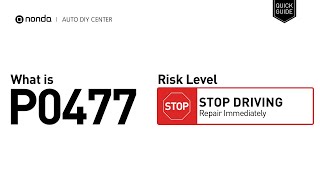
Honestly, this isn’t something you want to ignore. If you keep driving with a dtc p0477, you could end up with poor engine performance, especially when towing or in cold weather. The engine might not warm up properly, which can lead to increased wear and tear. You’ll also lose engine braking, which is a serious hazard if you’re hauling heavy loads or driving in the mountains. In the worst cases, ignoring this can cause damage to the exhaust system, turbocharger, or even the engine itself. Things can go south quickly if overlooked, so don’t put this off for later.
Repair steps for obd code P0477
In cases like this, the most reliable fixes are:
- Repairing or replacing any damaged wiring or connectors in the exhaust pressure control circuit
- Cleaning and protecting electrical terminals with dielectric grease
- Replacing a faulty relay with a known good one
- Swapping out the exhaust pressure control solenoid if it’s failed
- Checking for and performing any PCM software updates or reprogramming if there’s a TSB
- Very rarely, replacing the PCM, but only after everything else has been ruled out



Conclusion
To sum it up, P0477 means your exhaust pressure control system isn’t working right, and that can seriously affect how your diesel engine runs-especially in cold weather or when towing. The risks just aren’t worth ignoring, since you could end up with bigger, more expensive problems down the line. I recommend starting with a careful inspection of the wiring, connectors, and relay, then moving on to the solenoid if needed. Most of the time, it’s a simple electrical issue, and fixing it early is the best way to keep your vehicle safe and running strong.

 4829
4829 5 minutes of reading