
Common Causes of obd2 code P047D
From my time under the hood, I’ve seen that P047D almost always comes down to wiring problems or a faulty sensor. Here are the most common culprits:
- A broken ground wire at the exhaust gas pressure sensor-this one’s more common than folks think
- A break or a short in the signal wire between the sensor and your PCM
- A signal circuit shorting to voltage-maybe the wire’s rubbed against metal somewhere and found juice where it shouldn’t
- An internally shorted or failed exhaust gas pressure sensor
- And, very rarely, a PCM that’s gone bad. But honestly, I can count on one hand how often that's been the case
My advice? Always start by checking the wiring and the sensor before you even consider blaming the PCM.
Warning Signs and Symptoms of P047D trouble code
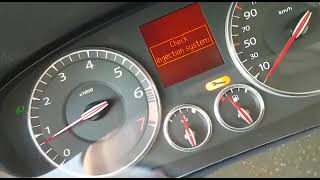
Here’s what you might notice in the shop or out on the road. First thing, you’ll probably get a check engine light staring back at you. You might also feel the engine holding back, especially when you put your foot down-lack of power is a classic sign. On diesel rigs, sometimes the engine won’t let you do a manual regen to clean the DPF, and if you ignore that too long, you’re risking a no-start. The engine’s just trying to save itself, but if you let it go, it’s only a matter of time before you’re calling for a tow.

Step-by-Step Diagnosis for P047D
When I’m tracking down a P047D, here’s my go-to routine. First, I always check for any technical service bulletins (TSBs) on your vehicle-sometimes it’s just a software hiccup and a quick update sets things right. Next, I’ll go straight to the exhaust gas pressure sensor and give the wiring a close inspection. I’m looking for spots where wires have rubbed through, any exposed copper, melted insulation, or signs of corrosion. Don’t overlook the connector-unplug it and peer inside for green corrosion or burnt pins. If you spot anything funky, break out the electrical contact cleaner (or a bit of rubbing alcohol and a soft brush), then let it dry and hit it with a dab of dielectric grease before snapping it back together. Clear the code and see if it comes back. If it does, now’s the time for the digital voltmeter-check that the sensor’s getting a solid 5 volts (not 12), make sure the ground’s good, and see if the signal wire is behaving. If the wiring checks out, try swapping in a known-good sensor if you can. Only after all of that would I even consider the PCM, and even then, it’s a long shot. If you’re shaky on electrical work, grab a buddy who knows their way around a multimeter-don’t skip these basics!
Avoiding Common Mistakes with dtc P047D
A classic mistake I see is folks jumping straight to swapping out the sensor before they’ve even glanced at the wiring. That’s a good way to throw money away if the real culprit is a broken or chafed wire. Another one is ignoring the connectors-corroded or loose pins can trip you up every time. And here’s a pro-tip from the garage: always check for TSBs or software updates first, because sometimes the fix is just a simple reflash. Skip these steps and you could be chasing your tail (and draining your wallet) for hours.

How Serious is obd code P047D
Let me be straight with you-this isn’t a code you want to put on the back burner. Ignoring P047D can leave you with a sluggish engine, stuck in limp mode, or even stranded if your DPF can’t clear itself and you end up in a no-start situation. That’s not just an inconvenience; it can turn into a pricey repair and a whole lot of downtime. Plus, if your exhaust pressure readings are off, your turbo and emissions system are working overtime, and trust me, things can get ugly fast. Take care of this one before it takes care of your wallet.
Effective Repair Solutions for P047D engine code
What I’ve found works best for P047D is sticking to the basics:
- Track down and fix (or replace) any damaged wiring or connectors at the exhaust gas pressure sensor
- Clean up all the electrical contacts and keep them protected with a good dielectric grease
- If you’ve confirmed the sensor’s bad, swap it out
- Check for any PCM software updates or TSBs-sometimes that’s all it takes
- And only in rare, confirmed cases, replace the PCM
Don’t overthink it-wiring and connectors are almost always the troublemakers here.


Conclusion
At the end of the day, P047D comes down to your engine not getting the right electrical signal from that exhaust gas pressure sensor, which can snowball into all kinds of driveability and emissions headaches. Treat it like a moderate-to-high-priority job-wait too long, and you’re looking at a disabled rig or a fat repair bill. The smartest move is to start with a close inspection of wiring and connectors, check for software fixes, and only reach for new parts once you’ve confirmed the real problem. That’s how you stay on the road and out of the shop for the long haul.
 5724
 6 minutes of reading