
Causes of dtc P047F
From what I see most often in the shop, the P047F code usually comes down to a few main culprits. Here’s what tends to cause it, based on real-world cases and official repair info:
- A faulty exhaust back pressure valve position sensor - this sensor tells the computer where the valve is, and if it’s not reading right, you’ll get this code.
- A bad exhaust back pressure sensor - this one measures the actual pressure in the exhaust, and if it fails, it can confuse the system.
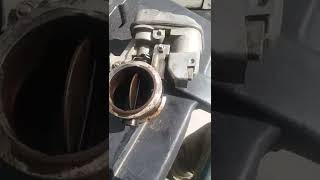
- The exhaust back pressure control valve itself is malfunctioning - sometimes the valve gets stuck open due to carbon buildup or a mechanical fault.
- Wiring issues - a broken wire or a short in the circuit for the valve or sensors can cause communication problems.
In my experience, most often the issue is with the valve sticking or a sensor going bad, but it’s always smart to check the wiring first since that’s a quick fix if you find something obvious.
Symptoms of obd code P047F
If you’re driving around with a P047F code active, here’s what you might notice. The most common thing is the engine taking longer than usual to warm up, especially on cold mornings. You might also feel the engine stumble, hesitate, or even stall when it’s cold. Sometimes, you’ll notice the car just doesn’t have its usual power until it’s warmed up. And of course, the check engine light will probably be on. In some cases, you might see other codes related to the exhaust back pressure system pop up at the same time.

Diagnosis process for P047F code
Here’s how I personally go about diagnosing a P047F code, step by step. First, I always start with a thorough visual inspection - check all the wiring and connectors going to the exhaust back pressure valve and sensors. Look for anything loose, corroded, or damaged. It’s best to have a good light and maybe even a buddy to wiggle wires while you watch. Next, I hook up a scan tool to pull all the codes and freeze frame data. Make a note of everything - sometimes there are related codes that can point you in the right direction. After clearing the codes, I’ll drive the car to see if the code comes back right away. If there are any codes for intake air temperature or coolant temperature, I always fix those first, since they can affect how this system works. Then, I’ll check for any technical service bulletins (TSBs) that might apply - sometimes there’s a known issue with a simple fix. If the wiring looks good, I use a digital volt/ohm meter to check for the right voltage and ground at the valve connector. If the readings are off, I trace the wiring back to find the break or short. If the wiring checks out, I test the valve and sensors themselves according to the manufacturer’s specs. Sometimes, I’ll use an infrared thermometer to check exhaust temperatures and see if the valve is actually moving as it should. If the valve is stuck open or closed, or the sensors aren’t reading right, that’s usually the problem. It’s important to follow the step-by-step checks - skipping ahead can lead to wasted time and money.
Common mistakes when troubleshooting obd2 code P047F
One thing I see a lot is folks jumping straight to replacing the valve or sensors without checking the wiring first. That’s a surefire way to spend money you don’t need to. Another common mistake is ignoring related codes, like intake air or coolant temperature codes, which can actually be the root cause. I also hear about people not checking for TSBs - sometimes the fix is a simple software update or a known connector issue. Skipping the basics, like a good visual inspection, is another big one. Don’t fall into the trap of replacing parts before you’ve confirmed they’re actually bad.

Seriousness of P047F engine code
I can’t stress enough how important it is not to ignore this code. While it might seem like just a minor annoyance at first, letting it go can lead to bigger problems. If the exhaust back pressure valve is stuck open, your engine will take longer to warm up, which can cause poor fuel economy, higher emissions, and rough running. In cold weather, this can even leave you stranded if the engine stalls. Over time, running with this issue can put extra stress on the engine and emission control systems, and in some cases, it can even cause damage to the turbocharger or sensors. You don’t want this kind of trouble on the road - things can go south quickly if overlooked.
Repair steps for P047F
When it comes to fixing a P047F code, here’s what usually works best based on verified repair procedures:
- Repair or replace any damaged wiring or connectors in the exhaust back pressure system.
- Replace the exhaust back pressure valve position sensor if it’s not reading correctly.
- Swap out the exhaust back pressure sensor if it’s faulty.
- Clean or replace the exhaust back pressure control valve if it’s sticking or not moving as it should.
- Address any related intake air or coolant temperature sensor issues first, since they can affect this system.
- Update the vehicle’s software if there’s a TSB that applies.
In cases like this, it’s usually a sensor or the valve itself, but always start with the basics before replacing parts.



Conclusion
To sum it up, the P047F code means your exhaust back pressure control valve is stuck open or not reporting its position correctly. This system is crucial for helping your engine warm up and run efficiently, especially in cold weather. Don’t put this off for later - the risks just aren’t worth it, and ignoring it can lead to bigger, more expensive problems. The best way forward is to start with a careful inspection of the wiring and sensors, check for any related codes, and follow the diagnostic steps methodically. Most of the time, the fix is a sensor or the valve itself, but confirming the root cause is key. Acting promptly is the most reliable way to keep your car running safely and smoothly.
 5540
 7 minutes of reading