
Causes of P048B Code
From what I’ve seen in the shop and based on official repair info, the most common reasons for a P048B code are:
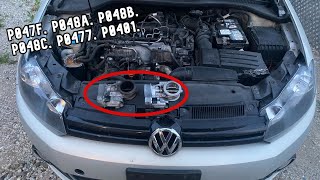
- A faulty exhaust pressure control valve (EPC valve) - this is the part that actually moves to control the exhaust pressure.
- Wiring problems - things like damaged wires, corroded connectors, or loose plugs in the EPC valve circuit can easily trigger this code.
- A bad PCM (engine computer) - this is rare, but it does happen from time to time.
Most often, the issue is with the valve itself or the wiring, not the computer.
Symptoms Associated with dtc P048B
When this code is active, here’s what drivers usually notice:
- The check engine light comes on - that’s usually the first sign.
- You might notice the engine running rough, especially when it’s cold.
- Increased exhaust emissions - sometimes you’ll smell more fumes or see more smoke than usual.
- Hard starting - the engine may take longer to fire up, especially on chilly mornings.
From experience, some folks don’t notice anything except the warning light, but it’s best not to ignore it.

Diagnosis Steps for obd code P048B
Let me walk you through how I tackle a P048B code in the real world-step by step, just like I would in my own garage:
- Start simple: pop the hood and give the EPC valve and its wiring a close look. I can’t tell you how many times I’ve caught a problem just by spotting a chewed wire or a connector that’s barely hanging on. Don’t skip this-you might get lucky and solve it in five minutes.
- If everything looks tidy, it’s time to grab your digital multimeter. With the ignition off, unplug the EPC valve and check for continuity between the valve and the PCM. No beep or the meter flashes ‘OL’? You’ve got a broken wire or maybe a hidden corroded spot that needs digging up.
- Next up: test the EPC valve itself. Unplug it, set your meter to Ohms, and check resistance across the terminals. I always keep the manufacturer’s specs handy-if your reading is way off, the valve is likely toast.
- Don’t forget to make sure the valve’s actually getting power. With the ignition on, check for 12 volts at the EPC valve connector. No juice? Time to trace the wiring back, check for blown fuses, or see if something’s amiss near the PCM.
- If all those checks come up clean, only then do I start suspecting the PCM. Honestly, in my career, PCM failures have been pretty rare. Double and triple check everything else before ordering a new computer.
- Here’s a pro-tip: always check for technical service bulletins (TSBs) for your car. I’ve seen cases where a weird recurring issue had a simple fix buried in a TSB-saves a ton of time and frustration.
If you’re not comfortable poking around with a meter, grab a friend to lend a hand or take it to someone who’s got the tools. It’s a lot easier (and safer) with two sets of hands.
Common Mistakes With P048B Engine Code
Over the years, I’ve seen folks make a few classic mistakes with this code:
- Swapping out the EPC valve right away, only to find out later it was just a bad wire or a loose plug causing all the fuss. Always test the wiring first.
- Skipping over technical service bulletins. I can’t stress this enough-manufacturers sometimes post fixes that’ll save you hours chasing your tail.
- Guessing at resistance or voltage specs. Don’t play the guessing game-always look up the numbers for your specific make and model.
- Blaming the PCM too soon. Sure, computers can fail, but in my experience, it’s the last thing I check after ruling out the obvious.
Take it slow, follow the steps, and you’ll avoid a lot of wasted time and money.

Seriousness of P048B Trouble Code
I wouldn’t brush this one off. While it probably won’t leave you stranded at the side of the road today, ignoring a faulty EPC valve can really start to pile up problems-poor running, extra smoke, sluggish starts, and over time, you risk damaging the catalytic converter or other emissions gear. Especially if you depend on your vehicle in cold weather, you don’t want to be caught off guard. My advice? Get on top of it before a little issue becomes a major repair bill.
Repair Options for Obd2 Code P048B
From what I’ve fixed in the bay and what the manuals back up, here’s what usually sorts out a P048B:
- Fix or replace any damaged wiring or crusty connectors in the EPC valve circuit. Corrosion and wear are more common than you’d think, especially on high-mileage cars.
- If the EPC valve fails your tests, swap it out with a quality replacement.
- Once you’ve made repairs, clear the code and take it for a drive. If the light stays off, you’re in the clear.
- If everything else checks out but you’re still seeing the code, and the PCM isn’t sending the right signals, replacing the PCM is your last resort. Make doubly sure, though-these aren’t cheap or quick to program.
Pro tip: Always verify your repair by clearing the code and confirming it doesn’t pop back up. Nothing’s worse than thinking you’re done, only to have the light return five minutes later.


Conclusion
Here’s the bottom line: P048B points to a problem with the exhaust pressure control valve circuit-a little part that plays a big role in cold weather starts and keeping your emissions in check. While it’s not a ‘pull over immediately’ emergency, letting it slide can snowball into bigger headaches. From what I’ve seen, most fixes come down to catching a wiring issue or a bad valve, but don’t skip any steps. Check things carefully and don’t leave this for ‘later.’ Staying on top of it now means your vehicle stays reliable, efficient, and ready for whatever the weather throws at you.
 5296
5296 6 minutes of reading