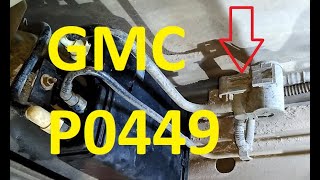
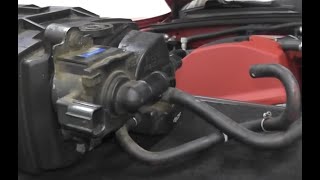
Let me break down what code P0499 really means for your vehicle. This code stands for “Evaporative Emission (EVAP) System Vent Valve Control Circuit High.” In plain English, your car’s computer (the PCM) has picked up on a problem with the electrical circuit that controls the EVAP system’s vent valve. The EVAP system is there to trap fuel vapors from your gas tank, keeping them from escaping into the air and helping your car run cleaner. The vent valve is a key part of this system-it lets fresh air in and seals things up when the system is being tested for leaks. If the computer notices that the vent valve circuit is behaving oddly-like it’s stuck open, closed, or the wiring is off-it’ll trigger this code. So, P0499 is your car’s way of saying, “Hey, something’s up with how I’m handling fuel vapors.”
DTC P0499
 4590
4590 5 minutes of reading
Main Causes of obd2 code P0499
From what I see most often in the shop, there are a few usual suspects when it comes to p0499. Here’s what tends to go wrong:
- EVAP vent valve failure-these valves can get stuck, corroded, or just plain wear out, especially since they’re often exposed to the elements.
- Wiring issues-broken, corroded, or shorted wires in the vent valve circuit are a frequent culprit. Sometimes connectors get loose or full of dirt, too.
- PCM failure-this is rare, but I have seen the car’s main computer go bad and cause this code. It’s usually the last thing I check, though.
In my experience, the vent valve or its wiring is almost always to blame, so I recommend starting your checks there.
Common Symptoms of P0499 trouble code
When this code pops up, the most obvious thing you’ll notice is the check engine light coming on. Honestly, you probably won’t feel any difference in how the car drives-no rough running or weird noises. But don’t let that fool you! Just because the car seems fine doesn’t mean you can ignore it. Sometimes, you might notice a faint fuel smell if the system isn’t sealing properly, but that’s not always the case with this code.

Step-by-Step dtc P0499 Diagnosis
Here’s how I usually tackle a p0499 code, step by step:
- First, I always start by checking the gas cap. Make sure it’s tight and in good shape-it sounds simple, but a loose or damaged cap can cause EVAP issues.
- Next, I visually inspect the EVAP vent valve and its wiring. Look for any obvious signs of damage, corrosion, or disconnected plugs. Sometimes you’ll spot a broken wire or a connector that’s come loose.
- After that, I use a scan tool to command the vent valve on and off. If the valve doesn’t respond, it’s a strong sign it’s faulty or there’s a wiring problem.
- If the valve seems okay, I’ll check the wiring with a multimeter-looking for continuity and making sure there’s power and ground at the connector. It’s better to have someone assist you here, especially if you’re under the car.
- If everything checks out and the code still won’t clear, only then do I consider the PCM as a possible cause. But honestly, that’s pretty rare.
Don’t forget to check for any water intrusion or rust around the vent valve-it’s a common issue, especially in areas with harsh weather.
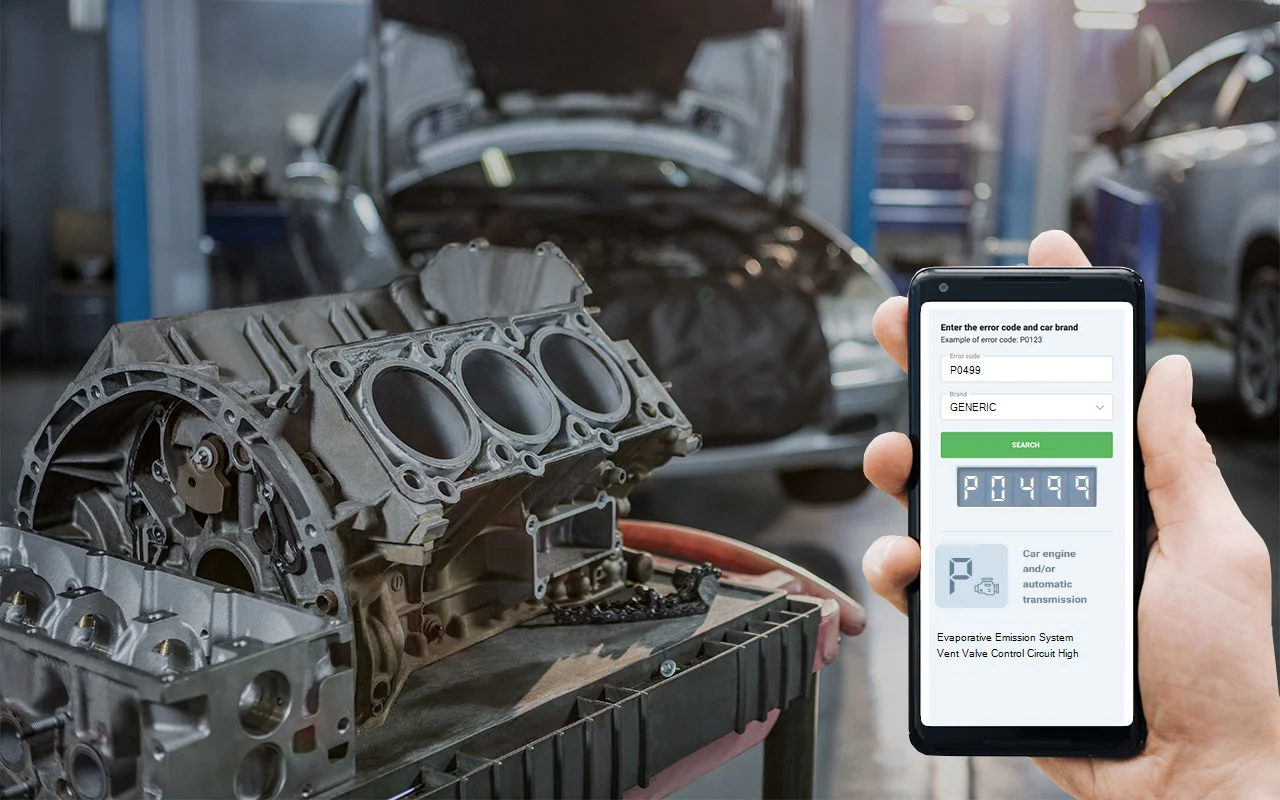
Avoiding Common P0499 code Mistakes
I’ve seen a lot of folks jump straight to replacing the vent valve without checking the wiring first. That’s a surefire way to waste money if the real problem is a broken wire or a bad connector. Another common mistake is ignoring the basics-like not checking the gas cap or skipping a visual inspection. Also, some people clear the code without fixing the root cause, only for the light to come right back. It’s best to take your time and go step by step.

How Serious is P0499
Even though your car might seem to run just fine, this isn’t something you want to put off. The EVAP system is there to keep harmful fuel vapors out of the air and away from your car’s interior. If the vent valve isn’t working right, you could end up with increased emissions, failed inspections, or even fuel odors that can be a fire risk. Over time, ignoring this can damage other EVAP components-like the charcoal canister or even the PCM if there’s a short. Things can go south quickly if overlooked, so don’t wait too long to get this sorted out.
Effective obd code P0499 Repair Solutions
Here’s what usually fixes a p0499 code, based on what I see in the field:
- Replacing the EVAP vent valve if it’s stuck, corroded, or not responding to commands.
- Repairing or replacing damaged wiring or connectors in the vent valve circuit.
- Cleaning any rust or debris from the vent valve area and connectors.
- In rare cases, replacing the PCM if it’s confirmed to be faulty after all other checks.
After repairs, always clear the code and run the system test again to make sure everything’s working as it should.
Conclusion
To sum it up, P0499 means your car’s EVAP system vent valve circuit isn’t working right, and that’s a problem for both your car and the environment. While it might not affect how your car drives right now, it’s a moderate to high priority to fix-mainly because of emissions, inspection failures, and the risk of further damage. The most reliable way to resolve this is to start with the basics: check the gas cap, inspect the vent valve and wiring, and only move on to the PCM if you’ve ruled everything else out. Don’t put this off-get it checked and fixed before it leads to bigger headaches down the road.