
Causes of obd2 code P049A
From what I’ve seen in the shop, the most common reasons for a P049A code are:
- A faulty EGR valve itself - these can get stuck or fail electrically.
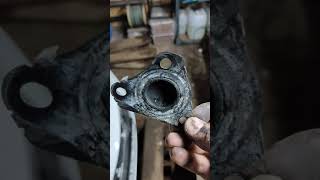
- Carbon buildup clogging the EGR passages - this is especially common on higher-mileage vehicles or those that do a lot of city driving.
- Cracked or damaged DPFE (Differential Pressure Feedback EGR) sensor hoses - these little hoses can get brittle and break over time.
- Bad DPFE, MAP (Manifold Absolute Pressure), or MAT (Manifold Air Temperature) sensors - if these aren’t reading right, the computer gets confused.
- Wiring problems - broken, shorted, or corroded wires or connectors at the EGR valve or related sensors.
In my experience, carbon buildup and EGR valve issues are the top culprits, but don’t overlook the sensors and wiring. It’s usually a good idea to check the simple stuff first.
Symptoms of dtc P049A
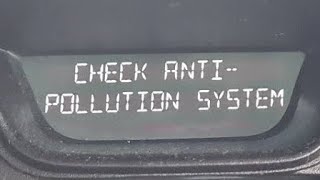
If you’ve got a P049A code, you might notice a few things while driving. Most often, there’s a drop in engine performance - maybe it feels sluggish or doesn’t accelerate like it used to. Sometimes the engine will run rough, especially at idle, or you might have trouble starting it, particularly when it’s cold out. Fuel economy can take a hit, so you’ll find yourself at the pump more often. In some cases, you might even smell extra fuel or notice black smoke from the exhaust if the mixture is running too rich or too lean. And of course, the check engine light will be on.

Diagnosis steps for P049A code
Here’s how I usually tackle a P049A code, step by step:
- First, I hook up a scan tool to pull all the stored codes and freeze frame data. This tells me when and how the code set.
- Next, I take the car for a short drive to see if the code comes back right away. This helps confirm it’s an active issue.
- I always check for Technical Service Bulletins (TSBs) for your specific make and model - sometimes there are known issues or updated repair procedures.
- Then, I do a thorough visual inspection of the EGR valve, all related wiring, and the connectors. Pay close attention to wires near hot exhaust parts - they can get brittle or melt.
- Don’t forget to look at the DPFE sensor hoses for cracks or leaks. Even a small split can throw the whole system off.
- If everything looks okay, I use a scan tool to command the EGR valve open and closed while watching sensor readings. If the readings don’t change as expected, that’s a clue.
- With a digital voltmeter, I check the wiring for continuity and proper voltage, following the wiring diagrams for your car. If I find a bad wire or connection, I repair it before moving on.
- If the wiring checks out, I test the EGR valve and sensors themselves against the manufacturer’s specs. If they’re out of range, they need to be replaced.
It’s best to have someone assist you if you’re not comfortable with these checks, especially when working around hot engine parts or electrical systems.
Common mistakes when fixing P049A trouble code
Honestly, I’ve seen a lot of folks jump straight to replacing the EGR valve without checking for carbon buildup or broken hoses. That’s a surefire way to waste money. Another common mistake is ignoring the wiring and connectors - corrosion or a loose pin can mimic a bad sensor or valve. Skipping the TSB search is another one; sometimes the fix is a software update or a revised part. Don’t just clear the code and hope it goes away - that can let a small problem turn into a big one.

How serious is a P049A engine code
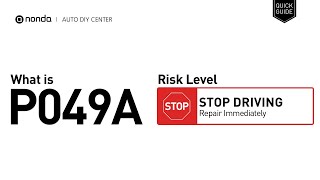
This isn’t something you want to ignore. A P049A code can lead to poor engine performance, higher emissions, and even long-term damage if left unchecked. You could end up with a clogged intake, damaged sensors, or even issues with the catalytic converter if the engine runs too rich or lean for too long. It’s a serious hazard for both your car and the environment. Things can go south quickly if overlooked, so don’t put this off for later.
Repair options for P049A
In cases like this, the most reliable fixes are:
- Cleaning or replacing the EGR valve if it’s stuck or clogged with carbon.
- Clearing out carbon buildup from the EGR passages and intake manifold.
- Replacing cracked or damaged DPFE sensor hoses.
- Swapping out faulty DPFE, MAP, or MAT sensors if they’re out of spec.
- Repairing or replacing damaged wiring or connectors at the EGR valve or sensors.
- Updating the PCM software if there’s a TSB that applies to your vehicle.
I personally recommend starting with a good cleaning and inspection before replacing any parts. That often solves the problem without breaking the bank.

Conclusion
To sum it up, P049A means your EGR system isn’t working right, and that can hurt your engine’s performance and emissions. It’s a high-priority issue that shouldn’t wait, since ignoring it can cause bigger and more expensive problems down the road. The best approach is to start with a careful inspection and cleaning, check the wiring and sensors, and only replace parts if they’re truly faulty. Acting quickly and methodically is the most reliable way to get your car running smoothly again and avoid future headaches.
 3822
3822 6 minutes of reading