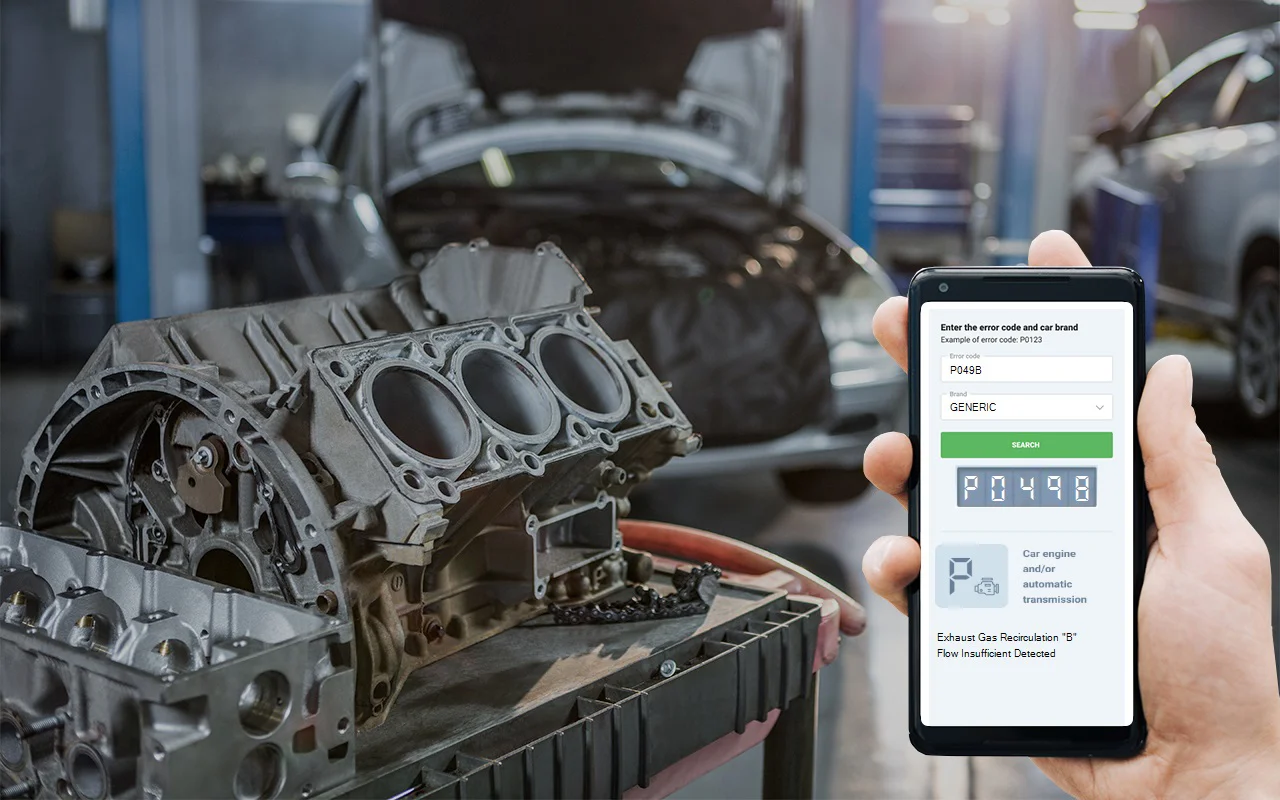
Let me break down what code P049B actually means for your vehicle. This code is tied to the EGR (Exhaust Gas Recirculation) system, which is there to help reduce harmful emissions-specifically nitrogen oxides (NOx)-by sending some exhaust gases back into the engine to be burned again. The 'B' part of the code points to a specific part or position of the EGR system, usually a particular valve or flow path. When your car’s computer (the PCM) sets this code, it’s noticed that the EGR flow in the 'B' circuit is lower than it should be. This can be due to either an electrical issue (like wiring or sensor faults) or a mechanical problem (like a stuck valve or carbon buildup). The EGR system is crucial for keeping your emissions in check and making sure your engine runs efficiently, so when something’s off here, it’s not something to ignore.
DTC P049B
 5775
5775 7 minutes of reading
Causes and P049B
From what I see most often in the shop, there are a handful of usual suspects when it comes to this fault. Here’s what tends to trigger this code:
- A faulty EGR valve-sometimes the valve just sticks or fails internally.
- Carbon buildup blocking the EGR passages-this is really common, especially on higher-mileage vehicles.
- Cracked or damaged DPFE (Differential Pressure Feedback EGR) sensor hoses-these can get brittle over time.
- Defective DPFE, MAP (Manifold Absolute Pressure), or MAT (Manifold Air Temperature) sensors-any of these can throw off the readings the computer relies on.
- Wiring issues-broken, shorted, or corroded wires or connectors at the EGR valve or related sensors.
From experience, I can say that carbon buildup and EGR valve problems are at the top of the list, but it’s always smart to check the sensors and wiring too.
Symptoms and P049B engine code
If your car has this engine code, you’ll probably notice a few things aren’t quite right. Here’s what drivers usually tell me:
- The engine feels sluggish or down on power-it just doesn’t have the same get-up-and-go.
- Poor fuel economy-you might find yourself filling up more often than usual.
- Hard starting, especially when the engine’s cold-it might take a few extra cranks to get going.
- Sometimes you’ll notice the check engine light is on, but not always right away.
- In some cases, the exhaust might smell a bit off or seem richer or leaner than normal.
These symptoms can sneak up on you, so it’s easy to overlook them at first. But they’re all signs that something’s not right in the EGR system.

Diagnosis and P049B code
When someone rolls in with a P049B code, here’s the step-by-step process I rely on in the bay:
- First thing I do is plug in a scan tool and see what other codes might be hanging around. Sometimes, you’ll find clues hiding in the company that P049B keeps.
- After that, I like to take the car for a spin. You’d be surprised how much you can learn from a quick test drive-does the code return right away, or does it take some time to show up?
- Next, I grab the latest TSBs for the year, make, and model. Manufacturers often know about quirks before we do, and sometimes they’ve got a shortcut to the fix.
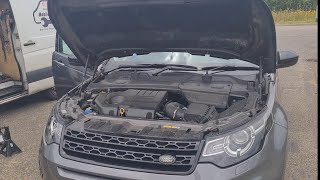
- Once I’m back under the hood, I give everything a close look. That means checking the EGR valve, all those little vacuum lines, and every bit of wiring near the exhaust. Heat and age can make a mess out of these parts-don’t overlook even the smallest crack or melted spot.
- With my scan tool, I’ll command the EGR valve open and closed while watching the data stream. If the readings don’t change or lag behind, you’ve probably found your problem.
- Electrical issues can be sneaky. I always break out my voltmeter and check the wiring and sensors against the specs from the service manual. If something’s out of whack, I follow that wire right back to the PCM and check again-never assume it’s just a sensor.
- Still no smoking gun? Time to pull the EGR valve off and peek inside. Nine times out of ten, a caked-up valve or a blocked passage is the real troublemaker. A thorough cleaning here can work wonders.
- If the EGR valve or any sensor fails the test, I don’t mess around with cheap knock-offs-always go for good quality replacements.
One more thing: having a second set of hands helps, especially if you’re cycling the EGR valve while watching live data. And always disconnect the battery or control module when poking around in the wiring-one wrong move can fry something expensive.
Common Mistakes and P049B trouble code
Let me share a few classic blunders I see, especially with DIYers and even some pros:
- Jumping the gun and replacing the EGR valve before checking for carbon or testing the sensors. I can’t tell you how many times a simple cleaning saved the day.
- Missing those brittle or split vacuum hoses. They’re easy to overlook, but one little crack can trip up the whole system.
- Ignoring the wiring and connector ends. Corrosion, loose pins, or a half-seated connector will cause all sorts of weird issues.
- Skipping the TSB search. Sometimes, the answer isn’t a part-it’s a software update or a redesign you won’t learn about unless you check the bulletins.
Here’s a pro-tip from the garage: always start with the basics. A thorough once-over up front saves a ton of frustration and cash.

Seriousness and obd code P049B
If you’re thinking about putting this code off, let me stop you right there. The EGR system is more than just a box to tick for emissions-it’s essential for keeping temperatures in check and making sure your engine lasts. Let this go and you’re risking poor mileage, rough running, even costly engine or catalytic converter damage. Fail an emissions test, and you’ll be spending even more time and money. Trust me, I’ve seen small EGR issues snowball into big repair bills when folks ignore them. It’s a good idea to get ahead of this one before things get ugly.
Repair and dtc P049B
When I’m fixing a P049B, here’s my go-to checklist, tailored to what the diagnostics tell me:
- Scrub out any carbon in the EGR valve and passages. Sometimes, that’s all it takes to get things flowing right again.
- If the valve’s sticking or not responding, swap it for a new one. Don’t gamble on a cleaned-up part if it’s clearly faulty.
- Replace any DPFE, MAP, or MAT sensors that are out of spec. Bad readings can throw the whole system off.
- Patch up or replace any vacuum lines that are cracked, brittle, or leaking. Even a tiny vacuum leak can mean big trouble.
- Track down wiring or connector issues-clean, repair, or replace as needed. These electrical gremlins are notorious for intermittent faults.
- If you found a TSB, don’t cut corners-follow the factory fix, whether it’s a reflash or a new part design.
After repairs, I always clear the codes and take the car on a solid test drive. No shortcuts-if the code comes back, I dig deeper until it’s gone for good.
Conclusion
When you see P049B pop up, it’s your EGR system waving a red flag-usually because of a stuck valve, heavy carbon, or a sensor that’s gone bad. Ignore it, and you’re opening the door to bigger headaches like engine damage or failed emissions. In my experience, nothing beats starting with a thorough inspection: clean what you can, replace what you must, and always double-check wiring and hoses. Don’t put this off-fixing it now means a happier engine and fewer surprises down the road.