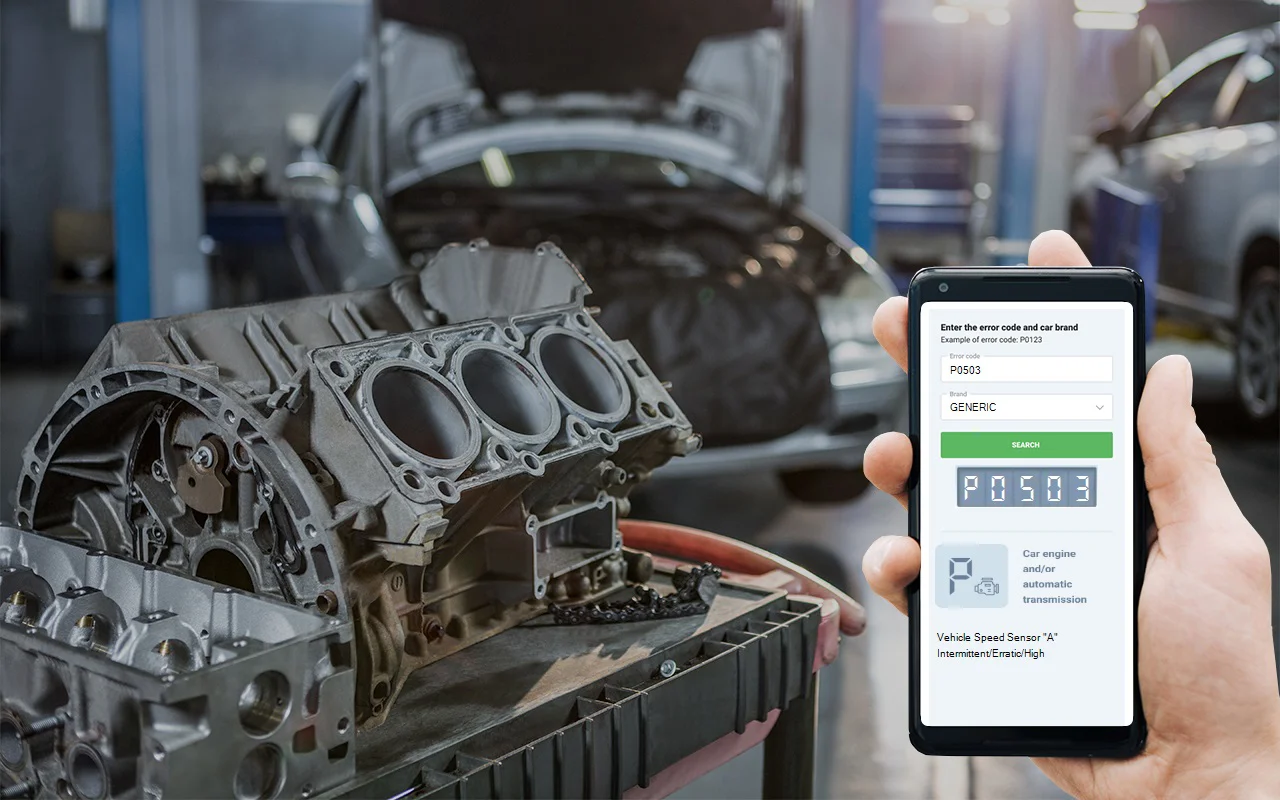
From years spent diagnosing drivability headaches, I can tell you that a P0503 code means your car’s computer has spotted something off with the Vehicle Speed Sensor-or VSS, as we call it in the trade. This little sensor is the unsung hero that keeps tabs on how fast your car’s moving, feeding info to both your speedometer and the powertrain control module (PCM). The PCM relies on that speed data for all sorts of things-automatic transmission shifting, traction control, ABS, and on some models, even power steering. If the computer sees the VSS is sending weird, jumpy, or no signals at all, that’s when it throws the P0503 code. Depending on your make and model, you might find the VSS bolted to the transmission, the differential, or it might use separate wheel speed sensors. No matter where the sensor lives, if it starts acting up, the computer won’t trust the speed reading, and that’s when you’ll see this code staring back at you.
DTC P0503
 5418
5418 6 minutes of reading
Causes of P0503 code
From experience, I can tell you there are a handful of usual suspects behind a p0503. Most often the issue is with the speed sensor itself-either it’s failing, getting noisy, or just not sending a steady signal. But I’ve also seen problems with the wiring, like a short or an open circuit, or even a loose or corroded connector. Sometimes, the drive gear that turns the sensor gets damaged. In rare cases, the problem can be with the PCM or another control module, or the computer isn’t set up for the tire size you’re running (though that’s less common). Here’s what I see most:
- Faulty or failing vehicle speed sensor (VSS)
- Damaged or worn drive gear for the VSS
- Broken, shorted, or open wiring to the VSS
- Corroded or loose connectors at the VSS
- PCM or control module malfunction
- Incorrect PCM configuration for tire size (rare, but possible)
Symptoms of obd2 code P0503
If you’ve got a P0503 showing up, you’ll probably notice a few telltale signs right away. For starters, the check engine light will be shining back at you. I’ve seen plenty of speedometers suddenly quit, start bouncing wildly, or just act plain strange. If your car’s got an automatic, the transmission might start shifting at odd times-sometimes too soon, other times way too late, or it might just hang up and refuse to shift altogether. ABS and traction control can get weird, too; they’ll either stop working or kick in when you least expect it. Every now and then, a car will show almost no symptoms except for that pesky check engine light, but don’t let that fool you. Here’s the stuff I look for in the shop:
- Check engine light illuminated
- Speedometer not working or acting erratic
- Rough or unpredictable shifting (automatic transmission)
- ABS or traction control warning lights
- Loss of traction control or ABS function

Diagnosis steps for dtc P0503
When I’m chasing down a P0503, I always start simple. No need to throw parts at the car before you know what’s really wrong. First, check if your speedometer is actually working or if it’s being flaky. Keep an eye out for warning lights-ABS, traction control, anything else out of the ordinary. Next up, I pop the hood and inspect the wiring and connectors at the speed sensor. You’re looking for cracked wires, green fuzz from corrosion, or connectors hanging on by a thread. Here’s a pro-tip from the garage: have a buddy wiggle the wiring while you keep your eyes on the speedometer or a scan tool; see if anything changes. If everything looks okay, plug in a scan tool and check for other codes, then watch the live speed signal. If the numbers jump around or drop off suddenly, you’re closing in on the culprit. Still stuck? Break out the multimeter and check the sensor’s resistance or voltage, matched up with the specs in your service manual. Don’t overlook the drive gear-sometimes it wears out or breaks, especially on older rides. Only after all this would I suspect the PCM, and honestly, that’s a one-in-a-hundred scenario.
Common mistakes with obd code P0503
A classic mistake I see is folks swapping out the speed sensor without ever checking the wiring or giving the connectors a second glance. If it’s just a loose plug or a rotted wire, you’ve wasted time and cash on a new sensor for nothing. Another oversight is ignoring the drive gear-if it’s chewed up or stripped, a shiny new sensor won’t do you any favors. And don’t forget to scan for other codes that could point to a bigger electrical gremlin. Always work through the basics before reaching for your wallet.

Seriousness of P0503 trouble code
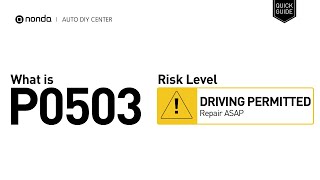
Let me be straight with you-this is one of those issues you don’t want to ignore. A faulty speed sensor or related wiring can make your transmission shift at the worst possible times, which is downright dangerous. Lose ABS or traction control, and you could be in for a nasty surprise on slick roads. If you let it go, you risk doing long-term harm to your transmission or even the ABS module. Trust me, it’s best to deal with this sooner rather than later, before a small problem turns into a big one.
Repair options for P0503 engine code
When I’m fixing a P0503, the solution usually falls into a few tried-and-true categories. Nine times out of ten, swapping out the faulty vehicle speed sensor does the trick. If the wires or connectors are in rough shape, repair or replace those first. Don’t forget the drive gear-if it’s rounded off or broken, you’ll need a new one. On rare occasions, reprogramming or even replacing the PCM becomes necessary, but that’s the last step, not the first. Here’s how I tackle it in the shop:
- Replace the faulty vehicle speed sensor
- Repair or replace damaged wiring or connectors
- Replace worn or damaged drive gear
- Reprogram or replace PCM if confirmed faulty (rare)
Conclusion
Here’s the bottom line: a P0503 code tells you the computer isn’t getting a solid speed signal, which can throw off your speedometer, transmission shifting, and vital safety systems. The smart move? Start with the easy stuff-check the wiring, connectors, and the sensor itself before chasing down more complicated or expensive fixes. Don’t sit on this code, because letting it slide can lead to bigger headaches down the road. Most of the time, a new sensor or some wiring repairs will get you rolling again with peace of mind.