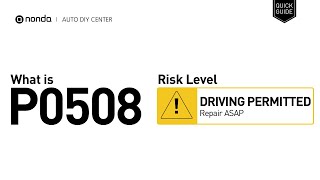
When you see P0508 pop up, you’re dealing with what we call the 'Idle Air Control Circuit Low' code. From years in the shop, I can tell you this means your powertrain control module (PCM) has picked up something off with the system that handles your engine’s idle speed. The idle air control (IAC) setup is what lets the right amount of air sneak into your engine when your foot’s off the gas-like sitting at a red light. If this system goes sideways, your engine might choke for air or gulp too much, leading to all sorts of driveability headaches. I usually spot this code on cars built from the mid-90s up to the early 2000s, before electronic throttle bodies became the standard. The IAC system isn’t just the valve or motor-it’s the whole circuit: wiring, connectors, and the PCM. When your PCM notices a bad electrical signal or low voltage in this setup, it throws the P0508 code and lights up your check engine light. Simple as that.
DTC P0508
 3994
3994 6 minutes of reading
Causes of P0508 code
From experience, I can tell you there are a handful of usual suspects when it comes to p0508. Most often the issue is with the IAC valve or motor itself-it can fail or get stuck. But don’t rule out other things. Here’s what I see most commonly:
- A faulty IAC motor or valve (it just stops working or gets stuck)
- Vacuum leaks in the engine (extra air sneaking in where it shouldn’t)
- Wiring or connector problems-like a broken wire or corroded plug going to the IAC
- Carbon buildup in the throttle body or the IAC valve (this can block airflow or jam the valve)
- Less often, a malfunctioning PCM or a programming glitch
It’s best to start with the simple stuff before jumping to conclusions about expensive parts.
Symptoms of P0508 engine code
When this code is active, you’ll probably notice your car isn’t idling the way it should. Here’s what most drivers report, and what I’ve seen myself:
- The engine idles way too high, or sometimes it drops so low it stalls out-especially when you’re stopped
- You might hear odd noises from the throttle body area, like buzzing or clicking
- The check engine light is on, and sometimes you’ll see other idle-related codes pop up too
- In some cases, the car can be hard to start or feels rough when idling
If you notice any of these, it’s a good idea to get it checked out right away.

Diagnosis steps for P0508
Here’s how I usually go about tracking down a p0508. I recommend starting with the basics and working your way up:
- First, I check for any other codes-sometimes P0508 comes with friends, and that can help point you in the right direction.
- Next, I pop the hood and inspect the IAC valve and its wiring. Look for loose, corroded, or damaged connectors. Give the wires a gentle wiggle-sometimes a bad connection is all it takes to set this code.
- Then, I listen for vacuum leaks. With the engine running, a hissing sound can mean air is sneaking in somewhere it shouldn’t. Spraying a little carb cleaner around the intake and listening for RPM changes can help you find leaks, but be careful-do this in a well-ventilated area and keep a fire extinguisher handy.
- After that, I remove the IAC valve and check for carbon buildup. If it’s dirty, clean it out with throttle body cleaner. Don’t forget to check the throttle body itself, too.
- If everything looks good so far, I use a multimeter to check the IAC valve’s resistance and the wiring for shorts or opens, following the specs in the repair manual.
- Only after all these checks would I consider the PCM as the culprit, and that’s pretty rare in my experience.
It’s better to have someone assist you, especially when checking for vacuum leaks or testing the electrical connections.
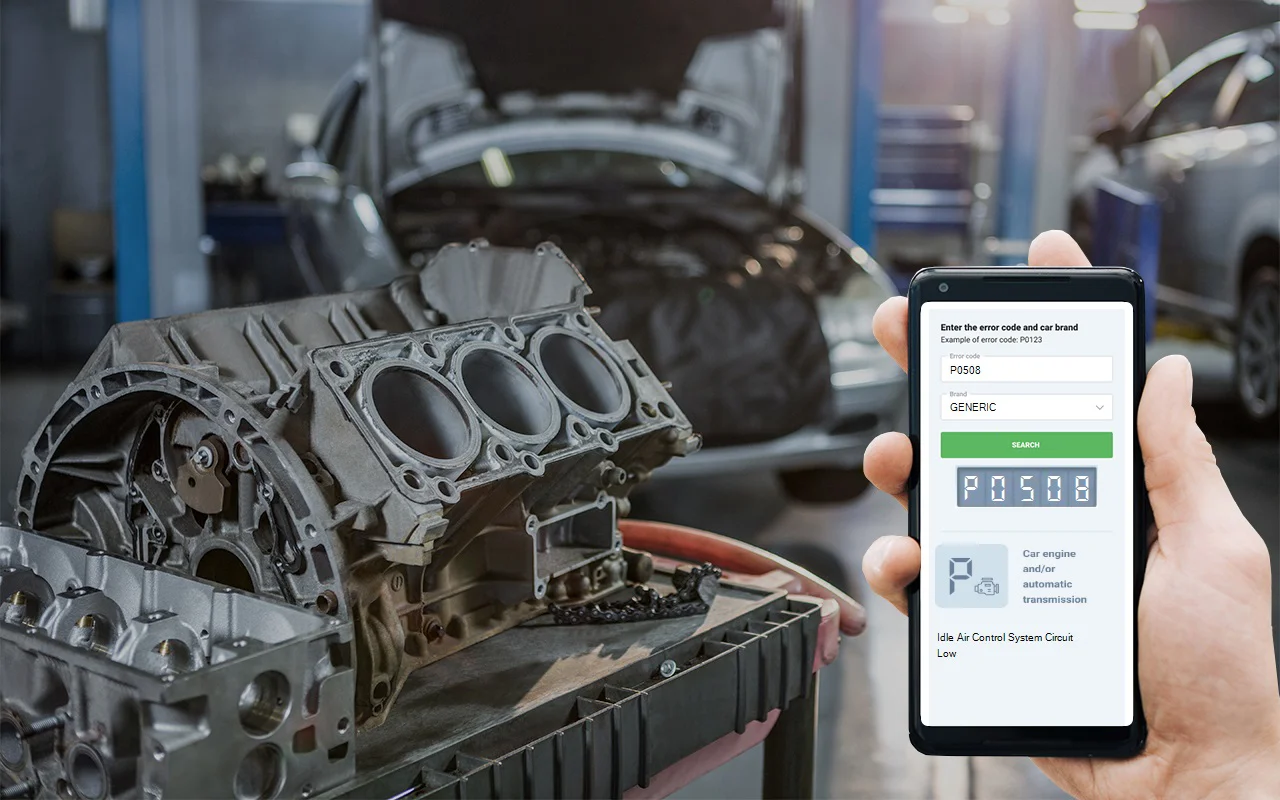
Common mistakes diagnosing obd2 code P0508
I’ve seen a lot of folks jump straight to replacing the IAC valve without checking for vacuum leaks or wiring issues first. That’s a surefire way to waste money. Another common mistake is skipping the step of cleaning the throttle body and IAC-carbon buildup is a frequent cause, and cleaning is much cheaper than replacing parts. Don’t forget to check the connectors for corrosion or loose pins, either. Rushing through the diagnosis or ignoring other related codes can lead you down the wrong path.

How serious is P0508 trouble code
This isn’t something you want to ignore. A malfunctioning idle air control system can make your car stall unexpectedly, especially when you’re stopped or slowing down. That’s a serious hazard, especially in traffic or at intersections. If left unchecked, it can also cause rough running, poor fuel economy, and even damage to your catalytic converter from repeated stalling or running too rich. Things can go south quickly if overlooked, so don’t put this off for later.
Repair solutions for obd code P0508
Most of the time, the fix is straightforward once you find the root cause. Here’s what I typically do:
- Clean the IAC valve and throttle body to remove any carbon buildup
- Repair or replace any damaged wiring or connectors going to the IAC
- Fix any vacuum leaks by replacing cracked hoses or gaskets
- If the IAC valve or motor tests bad, replace it with a quality part
- In rare cases, reprogram or replace the PCM if all else fails and it’s confirmed faulty
Always clear the code and test drive the car afterward to make sure the problem is truly fixed.
Conclusion
To sum it up, P0508 means your car’s idle control system isn’t working right, and that can lead to stalling, rough idle, or high RPMs. It’s important to diagnose this promptly-start with the simple checks like wiring, vacuum leaks, and cleaning the IAC and throttle body. Most often, the fix is something straightforward, but don’t ignore it, because the risks just aren’t worth it. The most reliable way to resolve this is a step-by-step diagnosis, fixing what you find along the way, and only replacing parts when you’re sure they’re the problem. That’s the best way to keep your car running safely and smoothly.