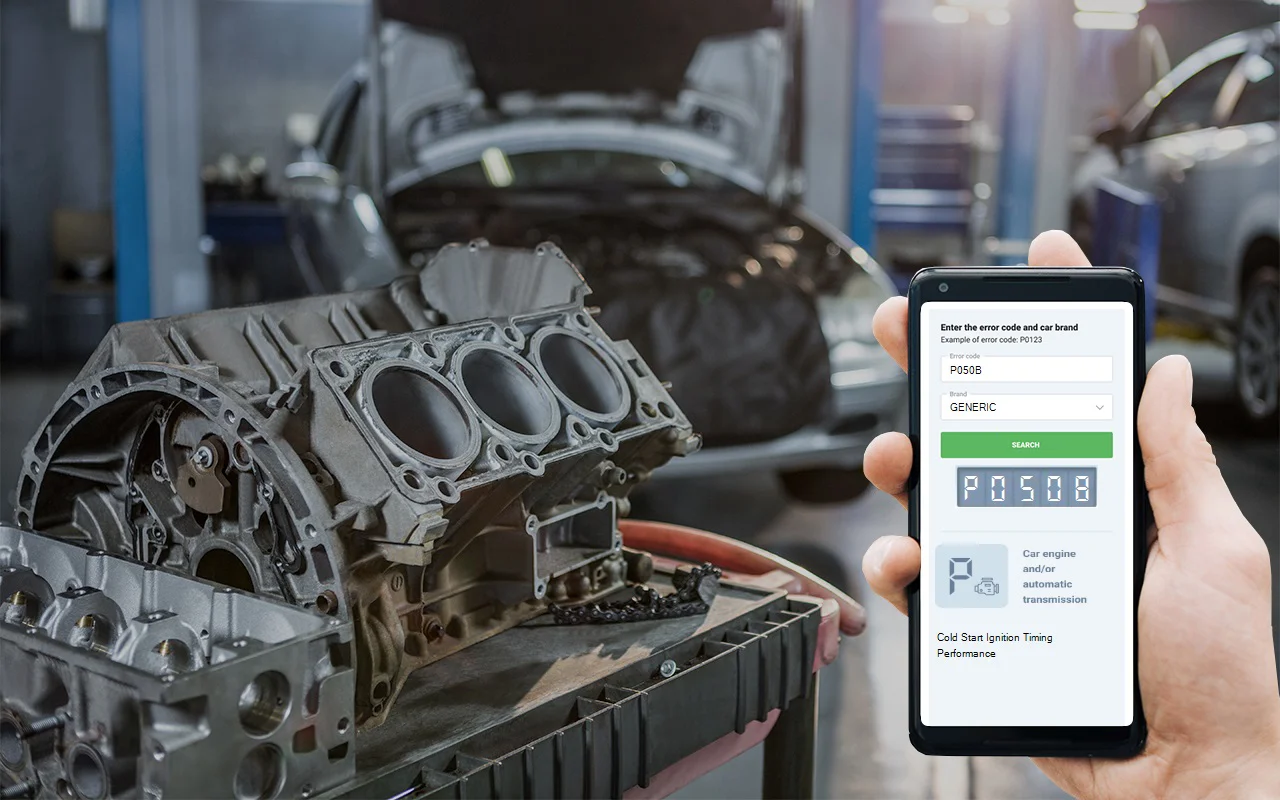
Let me break down what the P050B code means for you: this code stands for “Cold Start Ignition Timing Performance.” In plain English, your car’s computer is keeping an eye on how well it controls the spark timing when you first start the engine, especially when it’s cold. At cold start, the engine needs a bit of extra help to fire up smoothly, so the computer tweaks the timing to make things easier. It does this by using information from several sensors, like the crankshaft and camshaft position sensors, the engine coolant temperature sensor, the throttle position sensor, and the mass airflow sensor. If the computer can’t get the timing right during that cold start, it’ll set this code. This system is pretty important for smooth starts, good fuel economy, and keeping emissions in check.
DTC P050B
 5322
5322 5 minutes of reading
Causes of obd2 code P050B
From experience, I can tell you that there are a handful of usual suspects when it comes to p050b. Most often the issue is a faulty engine coolant temperature sensor-that’s the sensor that tells the computer how cold or warm your engine is. Other common causes I see are severe vacuum leaks (which let unmetered air into the engine), bad connections or wiring to the sensors, or even a failing crankshaft or camshaft position sensor. Sometimes, low battery voltage or problems with the throttle body or air intake can also trigger this code. Here’s a quick rundown of what I usually check first:
- Engine coolant temperature sensor (ECT) malfunction
- Severe vacuum leaks
- Open or shorted wiring or connectors
- Defective crankshaft (CKP) or camshaft (CMP) position sensors
- Low battery voltage
- Throttle body or air intake issues
Symptoms of P050B code
When this code pops up, you’ll probably notice a few things. The most obvious is the check engine light coming on. In cases like this, it’s usually accompanied by rough idling or even stalling when you’re stopped. Some folks hear a pinging or knocking sound when they hit the gas, especially right after starting up. If the problem is bad enough, you might also notice the engine hesitating or running rough during those first few minutes after a cold start.

Diagnosis steps for dtc P050B
Here’s what I usually do when I see a p050b. First, I recommend starting with the basics: check the engine coolant level and make sure there are no obvious leaks. Next, I use a scan tool to look at the live data from the engine coolant temperature sensor-if it’s reading way off from the actual engine temperature, that’s a big clue. Don’t forget to check the wiring and connectors for any signs of corrosion, damage, or loose pins. After that, I inspect for vacuum leaks by listening for hissing sounds or using a smoke machine around the intake manifold and hoses. It’s also smart to check the crankshaft and camshaft position sensors for proper operation-sometimes a related code will pop up for those, too. If everything looks good so far, I move on to checking the throttle body and air intake for dirt, carbon buildup, or sticking. It’s better to have someone assist you with these checks, especially if you’re not comfortable poking around under the hood. And always make sure the battery is fully charged before you start chasing electrical gremlins.
Common Mistakes with obd code P050B
I’ve seen plenty of folks jump straight to replacing expensive sensors without checking the basics first. One of the most common mistakes is overlooking a simple vacuum leak or ignoring the wiring and connectors. Another pitfall is not checking the battery voltage-low voltage can throw off sensor readings and cause all sorts of weird codes. Skipping the live data check on a scan tool is another big one; you really need to see what the computer is seeing before you start swapping parts. Trust me, it’s easy to waste time and money if you don’t follow a step-by-step process.

Seriousness of P050B trouble code
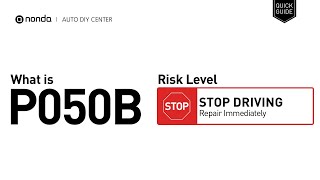
Honestly, this isn’t something you want to put off. If you ignore a p050b, you risk poor engine performance, higher emissions, and even potential engine damage if the timing is way off. Stalling in traffic or at a stoplight is a real safety hazard, and running with incorrect ignition timing can lead to overheating, internal engine damage, or even catalytic converter failure down the line. Things can go south quickly if overlooked, so it’s best to address this as soon as possible.
Repair options for P050B engine code
Once you’ve nailed down the cause, the fix is usually straightforward. Most often, replacing a faulty engine coolant temperature sensor does the trick. If there’s a vacuum leak, repairing or replacing the affected hose or gasket is the way to go. For wiring issues, repairing or cleaning up the connectors and harnesses is key. If a crankshaft or camshaft position sensor is bad, swapping it out is the answer. In some cases, cleaning or servicing the throttle body or air intake system will resolve the issue. And don’t forget to clear the code and test drive the vehicle to make sure everything’s back to normal.
Conclusion
To sum it up, p050b is your car’s way of telling you there’s a problem with how it manages ignition timing during cold starts. It’s not something to ignore, since it can lead to bigger headaches and even safety risks. The most reliable way to fix it is to start with the basics-check the coolant temperature sensor, look for vacuum leaks, and inspect the wiring and sensors. If you work through the steps methodically, you’ll usually find the culprit without too much trouble. Don’t delay on this one-getting it sorted quickly is the best way to keep your car running safely and smoothly.