
Causes of obd2 code P0512
From experience, the most common reasons for seeing a p0512 code are:
- A faulty ignition switch-this is a classic culprit, especially in older vehicles or those with a lot of key cycles.
- Blown fuses or fusible links in the starter circuit-sometimes a simple fuse is all that stands between you and a no-start situation.
- A bad starter relay-relays can fail internally or have poor connections at the terminals.
- Broken, corroded, or shorted wiring in the starter request circuit-wiring issues are more common than you’d think, especially if the car’s seen moisture or rodents.
- PCM issues-rare, but sometimes the computer itself or its programming can be at fault.
In cases like this, I always recommend starting with the basics before jumping to conclusions about the PCM.
Symptoms of P0512
When this code is active, here’s what you might notice:
- The engine won’t crank or start at all-this is the most obvious and urgent symptom.
- There might be a delay before the starter kicks in, or you may have to turn the key several times before anything happens.
- Sometimes, there are no symptoms at all-the car starts just fine, but the code is stored in the background.
- You might also see the check engine light or other warning lights pop up on the dash.
From what I’ve seen, if your car starts normally, you might not notice anything until you scan for codes.

Diagnosis process for P0512 code
Here’s how I usually approach a P0512 code, step by step:
- First, I check for any Technical Service Bulletins (TSBs) for your specific make and model-sometimes the manufacturer already knows about a common issue and has a fix.
- Next, I do a thorough visual inspection of all the wiring and connectors related to the starter circuit. Look for loose, corroded, or damaged wires. Don’t forget to check the connectors at the ignition switch, starter relay, and PCM.
- Then, I test all the fuses and fusible links in the starter circuit using a voltmeter. It’s important to check them under load (while trying to start the car), because some fuses only blow when current actually flows.
- If your car has a starter relay, I recommend swapping it with another identical relay in the fuse box-most cars use the same type for several functions. If swapping fixes the issue, you’ve found your problem. Just remember to put the relays back in their original spots and replace any bad ones with new.
- If the relay isn’t the issue, I use a wiring diagram to check for voltage at the relay and at the starter solenoid when the key is turned to ‘start’. If there’s no voltage, I trace the circuit back to the ignition switch and PCM, checking for continuity and shorts using a multimeter.
- If all the wiring and components check out, but the PCM isn’t sending the ground signal to the relay, then the PCM itself or its programming could be at fault. That’s rare, but it does happen.
It’s best to have someone help you turn the key while you check voltages, and always disconnect the battery before poking around with wiring to avoid accidental shorts.
Common mistakes when troubleshooting obd code P0512
Honestly, I’ve seen a few common pitfalls with this code:
- Jumping straight to replacing the PCM without checking the basics-wiring, fuses, and relays are much more likely to fail.
- Overlooking a blown fuse because it looks fine visually-always test fuses with a meter, especially under load.
- Swapping relays without putting them back in the right spot, which can cause new problems elsewhere.
- Ignoring Technical Service Bulletins that could save hours of guesswork.
Don’t skip the simple stuff-it’s usually where the problem hides.

Seriousness of the P0512 trouble code
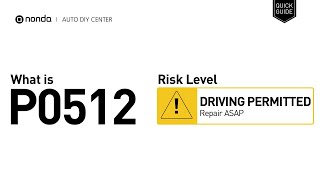
This isn’t something you want to ignore, especially if your car won’t start. If the engine doesn’t crank, you’re not going anywhere, and that can leave you stranded at the worst possible time. Even if the car starts now, a problem in the starter request circuit can get worse and leave you stuck later. There’s also a risk of damaging the starter, ignition switch, or even the PCM if the issue is electrical and left unchecked. Things can go south quickly if overlooked, so don’t put this off for later.
Repair options for P0512 engine code
Here’s what usually fixes a P0512 code, based on verified repair cases:
- Replacing a faulty ignition switch-this is a common and straightforward fix.
- Swapping out a bad starter relay with a new one.
- Repairing or replacing damaged wiring or connectors in the starter request circuit.
- Replacing blown fuses or fusible links.
- In rare cases, reprogramming or replacing the PCM if it’s not sending the correct signals.
I always recommend clearing the code after repairs and driving the car to make sure it doesn’t come back.


Conclusion
To sum it up, P0512 means your car’s computer isn’t seeing the signal it needs to start the engine, usually because of an issue in the starter request circuit. This is a high-priority problem if your car won’t start, and even if it does, you shouldn’t ignore it. The most reliable way to fix it is to start with the basics-check fuses, relays, wiring, and the ignition switch-before considering more expensive repairs like the PCM. Addressing this promptly is the best way to avoid getting stranded or causing further damage down the line.
 4242
4242 6 minutes of reading