
Causes of the P0517 trouble code
From my time under the hood, I can tell you that P0517 is almost always triggered by something electrical. Here are the main offenders I see:
- The top suspect? A short to voltage in the battery temperature sensor (BTS) signal circuit. Happens all the time.
- Sometimes, the BTS sensor itself just gives up-age, heat, and vibration will do that.
- Every once in a blue moon, it’ll be the PCM itself, but honestly, that’s rare. If I had to bet, I’d put my money on wiring or connector issues first.
So, if you’re chasing this code, start with the wiring and connectors before you even think about swapping out the computer.
Symptoms of dtc P0517
So, what should you keep an eye out for if your ride throws a P0517? Here’s what I’ve noticed in the shop:
- First clue is always the check engine light-can’t miss it.
- Sometimes, you’ll get a battery or charging system warning light joining the party on your dash.
- In some cases, you might see your charging voltage running a bit lower than normal, but honestly, most folks don’t pick up on any change in how their vehicle runs.
In fact, I’d say the majority only find out about this code because the light comes on during a regular service or inspection-no other symptoms at all.

Diagnosis of the P0517 code
When I’m faced with a P0517, here’s my go-to process:
- First thing I do is check for any technical service bulletins (TSBs) tied to this code and your specific make and model-sometimes, there’s already a known fix out there, and you don’t want to reinvent the wheel.
- Next, I hunt down the battery temperature sensor, which is usually right by the battery or sometimes inside the PCM. I really scrutinize the wiring and connectors-look for frayed insulation, melted spots, corrosion, or anything that looks out of place.
- Unplug the sensor connector and check the terminals for burnt pins or that telltale green corrosion. If I spot any, I hit them with electrical contact cleaner and a soft brush. Let them dry, then dab on a little dielectric grease before snapping it back together.
- After cleaning things up, I clear the code using a scan tool and see if it returns. If it stays away, that bad connection was likely your whole problem.
- If the code comes back, out comes the digital voltmeter. With the key off, I unplug the sensor and check for 5 volts at the signal wire using the manufacturer’s wiring diagram. If I’m not seeing 5 volts, now I know there’s a wiring break or a potential PCM issue.
- If the voltage looks good and the code still returns, odds are the sensor itself is toast and needs to be swapped. Only after all of that would I ever suspect the PCM, and that’s pretty rare in my book.
Here’s a pro-tip from the garage: Don’t rush the wiring inspection. Take your time, be thorough, and if you’ve got a buddy handy, a second set of eyes never hurts. Sometimes the problem is hiding right in plain sight.
Common Mistakes when dealing with obd2 code P0517
A classic mistake I see? Folks dive straight into swapping out the battery or even the PCM before checking the basics. Skipping over the wiring and connectors is a rookie move. Another one-forgetting to check for TSBs. Sometimes the answer’s already out there, just waiting for you. And don’t forget to clear the code and see if it comes back after cleaning things up; you’d be surprised how often that’s all it takes. Rushing or overlooking corroded connectors often leads to wasted time, money, and unnecessary parts changes.

Seriousness of a P0517
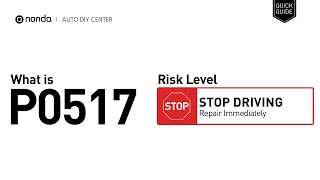
Look, P0517 isn’t usually the type of code that’ll leave you stranded on the side of the highway. The PCM can usually work around most electrical hiccups, so you’re probably safe to drive it for a bit. But leaving it unchecked? That’s where trouble starts. You risk improper battery charging, which can cut your battery’s life short or even mess with your charging system in rare cases. If the wiring is really messed up, it could snowball into even bigger electrical headaches down the line. So while it’s not an emergency, don’t just ignore it-deal with it before it grows into something worse.
Repair solutions for P0517 engine code
Here’s my typical fix-it list for clearing a P0517 code:
- First, sort out any damaged or corroded wiring or connectors at the battery temperature sensor-clean, repair, or replace as needed.
- If the sensor itself fails the tests, swap it out with a new one.
- Only in the rarest situations have I had to replace or reprogram the PCM, and that’s after ruling out every other possibility.
- Don’t forget to clear the code and take the car for a test drive to make sure the problem’s really gone for good.
Honestly, in most cases, you’re just looking at a simple connector cleanup or a quick sensor replacement. Nothing too wild.



Conclusion
Bottom line? P0517 means your PCM is reading an abnormal voltage from the battery temperature sensor circuit. Nine times out of ten, it’s an electrical snag-usually a wiring or connector issue, sometimes the sensor itself. It’s not a show-stopper, but don’t let it linger, or you’ll risk battery and charging problems. Start with a careful look at the wiring and connectors, check for TSBs, and only start swapping parts if you’re sure they’re the culprit. That’s how I keep my customers’ cars running strong-and how you can keep yours out of the shop for the same headache down the road.

 4344
4344 6 minutes of reading