
Causes of dtc P051A
From experience, the most common culprits behind a P051A code are pretty straightforward. Here’s what I usually see in the shop:
- A faulty crankcase pressure sensor itself-these do fail over time.
- Electrical problems inside the sensor, like internal shorts or open circuits.
- Issues with the PCV valve-if it’s stuck or broken, it can throw off the pressure readings.
- Problems with the PCV system hoses or tubes-think cracked, disconnected, or worn-out lines.
- A clogged PCV system, which can happen if oil gets sludgy or there’s moisture buildup.
- Water intrusion into the sensor or wiring harness.
- Engine overfilled with oil-this is more common than you’d think and can mess with pressure readings.
- In rare cases, a problem with the ECM itself.
Most often, it’s the sensor or something simple in the PCV system, but I always check the basics first. This error can also happen on cars from Ford and Renault.
Symptoms of P051A trouble code
When this code pops up, you might notice a few things. The most obvious is the check engine light coming on. Sometimes, you’ll smell fuel or notice your oil looks sludgy or milky, which can mean moisture is getting into the system. You might also see oil leaks around gaskets or seals, or even black smoke from the exhaust if things get bad. Some folks notice their engine running rough or fuel economy dropping off. If the crankcase pressure gets too high or too low, it can really throw things out of whack. In some cases, you might also see a sa 16 dtc p051a13 warning on your diagnostic tool.

Diagnosis with obd code P051A
Let me walk you through how I usually track down a P051A code:
- First thing I do? I check for any technical service bulletins (TSBs) for your vehicle. Some makes-Ford and Ram, for example-have known gremlins and official fixes that can save a ton of time.
- Next, I pull the oil filler cap and have a peek inside. If I spot sludge or milky goop, or if the oil’s overfilled, you’ve got a problem that needs fixing right away. Too much oil? You’d be surprised how often that’s the culprit.
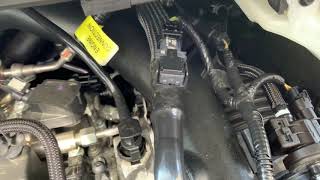
- Then it’s time to inspect the PCV system. I look for a stuck valve, brittle or cracked hoses, or anything that looks out of place. If something’s broken or clogged, sort it out now before going further.
- After the basics, I test the crankcase pressure sensor itself. A trusty multimeter and the service manual are your friends here-compare the sensor’s readings to what the book says. If it’s way off, swap it out.
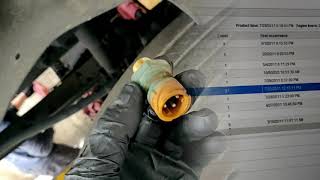
- Finally, don’t forget about the wiring and connector. Heat and oil can chew up wires, melt insulation, or corrode contacts. I make sure everything’s clean, dry, and clipped in tight.
Here’s a pro-tip from the garage: Always start simple-oil level and PCV checks-before diving into the electronics. It saves time, money, and a lot of frustration.
Common Mistakes with P051A
A classic mistake I see is folks jumping straight to swapping out the sensor without even glancing at the oil level or the PCV system. That’s throwing money at the problem instead of fixing it. Another one? Skipping over TSBs that could point you to a known issue. And of course, not taking a good, hard look at the wiring-oily or loose connectors can cause all sorts of headaches. Don’t make things harder than they need to be; start with the basics and work up.

Seriousness of P051A code
Look, this code doesn’t mean your engine’s about to blow up in the next five minutes, but you don’t want to ignore it either. Letting it slide can mean blown seals, oil leaks, or even engine wear if moisture and sludge start making themselves at home in your oil. I’ve seen engines go from healthy to hurting real quick when this gets ignored. Take care of it sooner rather than later, and you’ll avoid a much pricier repair bill down the road.
Repair steps for P051A engine code
Here’s how I’d tackle this one in the shop:
- If the crankcase pressure sensor is out of spec, replace it-don’t bother trying to clean or repair a failed sensor.
- Clean or swap out the PCV valve and check every hose for blockages, cracks, or leaks. Don’t forget to look for hoses that have gone soft or collapsed from old age.
- If you spot sludge or moisture in the oil, do a full oil and filter change. Fresh oil is cheap insurance.
- Fix or replace any damaged wiring or connectors at the sensor-nothing kills a sensor faster than bad wiring.
- Overfilled oil? Drain it down to the right level. I see this more often than you’d think, especially after a DIY oil change.
- If your vehicle has a TSB out for this code, follow the factory procedure step by step. Sometimes there’s a software update or a new part number that makes all the difference.
Most of these fixes are straightforward if you catch the problem early. Don’t wait until you’re dealing with oil leaks and rough running-nip it in the bud.

Conclusion
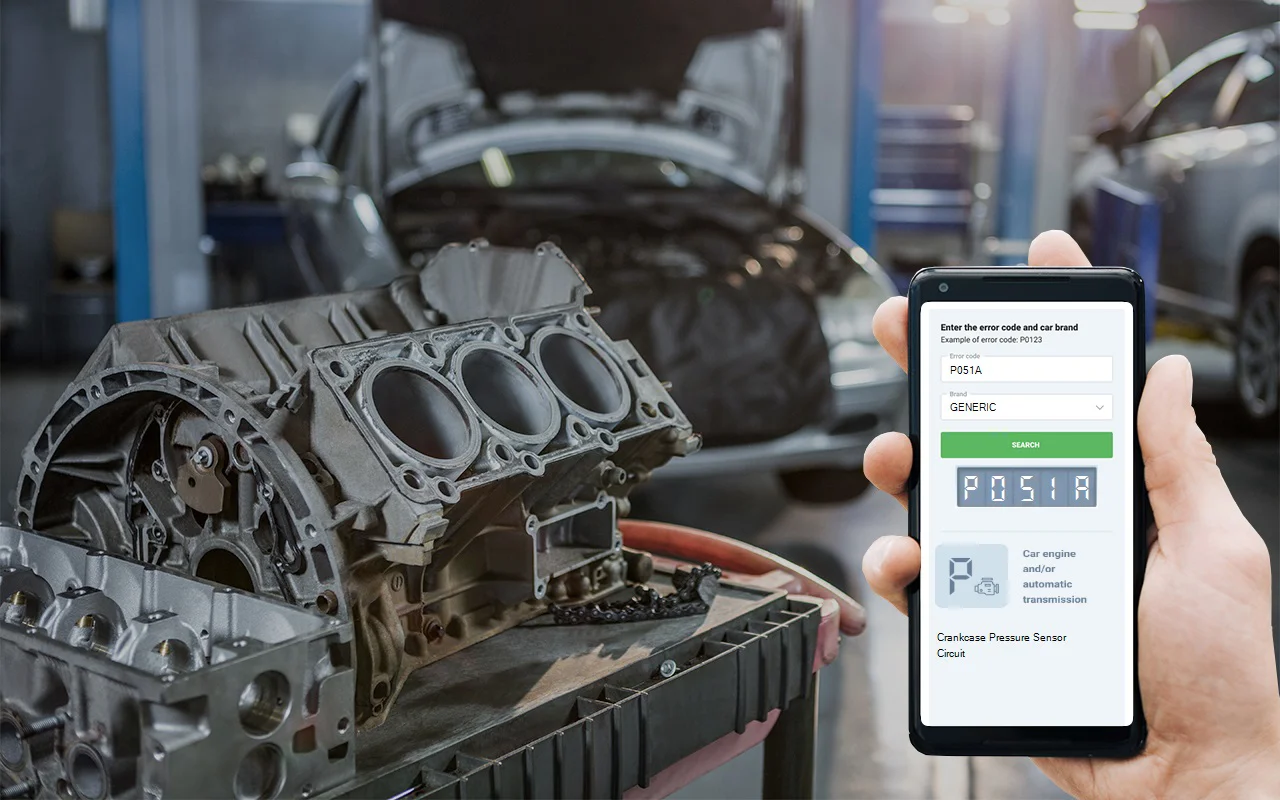
So, what’s the takeaway? P051A means your engine’s crankcase pressure sensor circuit isn’t doing its job. That can mess with your emissions, oil quality, and even lead to leaks if you let it slide. While it’s not the kind of code that means you need to pull over right now, it is something you want to fix soon. My advice? Start with the basics-check your oil, PCV system, then move on to the sensor and wiring. Nine times out of ten, it’s a quick fix if you catch it early. Stay on top of it, and your engine will thank you with years of smooth, reliable running.
 5088
5088 6 minutes of reading