
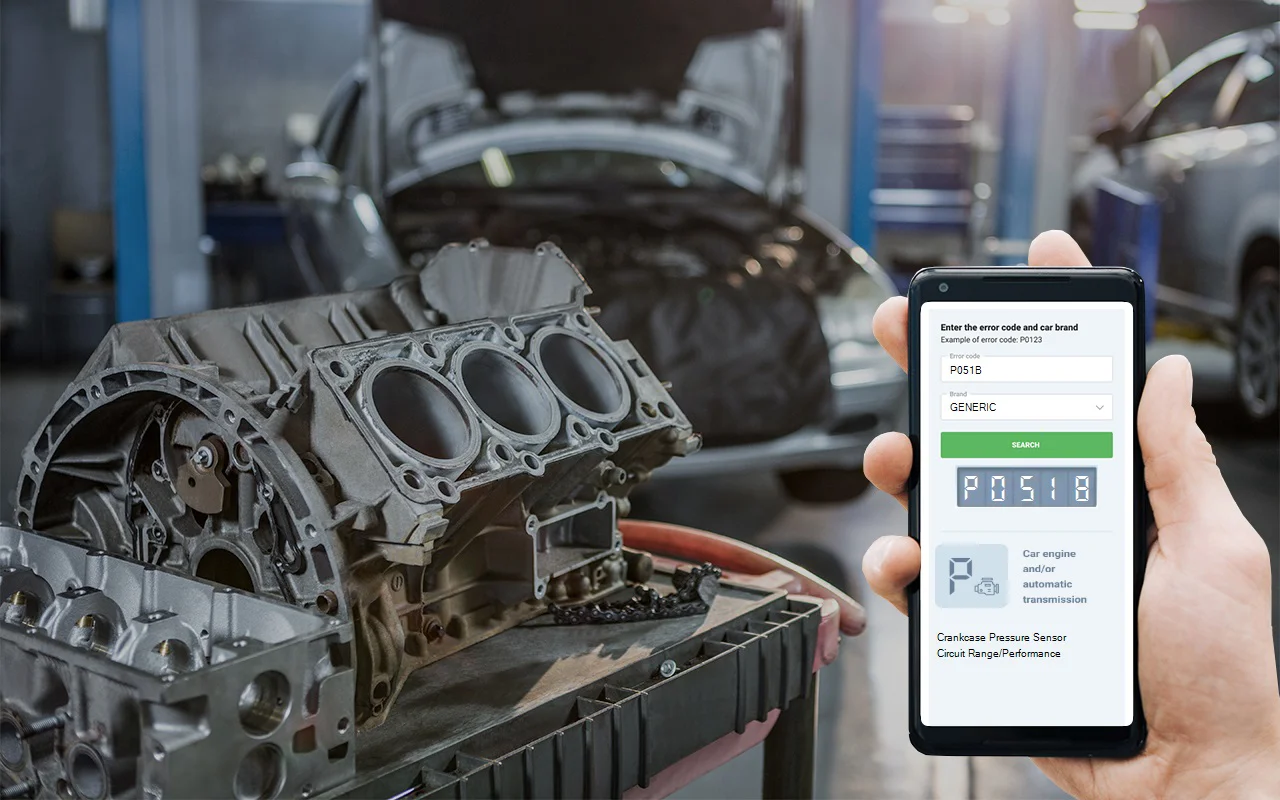
Let me break it down for you-P051B is what pops up when the PCM (that’s your Powertrain Control Module) finds something fishy with the crankcase pressure sensor. In real-world terms, this sensor keeps tabs on the air pressure inside your engine’s crankcase. That’s critical, because every engine deals with some blowby-gases that sneak past the piston rings. The crankcase pressure sensor works hand-in-hand with your PCV (Positive Crankcase Ventilation) system to make sure those gases don’t cause a pressure build-up that can lead to leaks or bigger problems. When that sensor sends readings outside the norm, your PCM throws the P051B code to flag that the engine’s breathing system isn’t working how it should. In my experience, if this sensor’s out of whack, you’ll want to pay attention-it’s not something you want to leave unchecked.
DTC P051B
 4244
4244 5 minutes of reading
Causes of obd code P051B
From my time under the hood, I’ve found that these are the usual suspects for a p051b code:
- The crankcase pressure sensor itself is faulty-this is often the culprit.
- Wiring issues. Damaged wires, loose connectors, or corrosion where the sensor plugs in can all throw this code.
- A PCV valve that’s stuck, blocked, or otherwise not doing its job, which can cause pressure to go haywire.
- Hoses or tubes in the PCV system that are clogged, cracked, disconnected, or just plain broken. Sometimes they rub on something and wear through, which isn’t always obvious at first glance.
Here’s a pro-tip from the garage: always start your hunt with these basics. Nine times out of ten, the fix is simpler than you’d think.
Symptoms of P051B
When P051B shows up, you’ll usually notice the check engine light before anything else. But if you keep driving, you might start to see your fuel mileage take a hit-you’ll be stopping for gas way more than you’re used to. Another red flag is oil leaks; sometimes you’ll even spot black smoke from your exhaust if things get bad enough. The engine might feel rough, or you’ll see some sludge buildup, especially if the problem’s been ignored for a while. Basically, if your engine isn’t venting pressure right, it’s going to let you know, one way or another.

Diagnosis steps for obd2 code P051B
Let me walk you through how I get to the bottom of a P051B code:
- I always scan for other codes first. Sometimes p051b is just the start of a bigger story.
- Next, I get my eyes on the pressure sensor and its wiring. I’m checking for loose or dirty connectors, worn-out wires, or even oil that’s seeped into the plug. Oil on electrical connections is a classic troublemaker.
- Then it’s time to inspect the PCV valve and every hose tied into that system. I look for anything clogged, stuck, cracked, or knocked loose. A second set of hands helps here-have someone rev the engine while you check for vacuum at the PCV valve.
- If all that checks out, I’ll grab my scan tool and see what kind of live data the sensor is sending. When the numbers don’t add up, it’s usually the sensor itself that’s bad.
- Still stumped? That’s when I break out the multimeter and start checking wiring for continuity and proper voltage. Sometimes the issue is buried inside the harness, and you’ve got to hunt it down.
Here’s my advice: always start with the simple stuff-the PCV valve and hoses-before you start swapping out sensors or tearing into the wiring. Saves a lot of headaches (and cash) in the long run.
Common Mistakes with P051B engine code
A classic mistake I see in the shop is folks rushing to replace the crankcase pressure sensor before even glancing at the PCV valve or hoses. Another one? Overlooking the wiring altogether-a loose or dirty connection can set this code off just as easily as a bad sensor. Skipping the basics almost always leads to wasted time and money. Trust me, start with a thorough visual once-over and test the PCV system before you buy any parts.

Seriousness of dtc P051B issues
P051B is not something you want to shrug off. When crankcase pressure starts to climb, it can blow out seals and gaskets, which brings oil leaks and, if left long enough, real engine damage. I’ve seen engines get ruined because someone let this slide. Excess pressure is also a recipe for sludge, which slowly chokes your engine from the inside out. The bottom line? Don’t put this on the back burner-it’s a real risk to your engine’s health.
Repair solutions for P051B trouble code
Speaking from years of fixing these, here’s what actually works:
- Swap out the crankcase pressure sensor if you’ve confirmed it’s sending bad data.
- Repair or replace any sketchy wiring or connectors that aren’t making a solid connection.
- Clean or put in a new PCV valve if yours is gummed up or stuck.
- Fix or replace any hoses or tubes in the PCV system that are cracked, clogged, or not attached right.
Once you’ve nailed down the real problem, clear the code, take the car for a solid test drive, and make sure it doesn’t come back. That’s how you know you’ve really fixed it.
Conclusion
Here’s what it comes down to: P051B means your crankcase pressure sensor isn’t doing its job, and ignoring it could leave you with oil leaks, engine sludge, or even worse. If you want to keep your engine running smooth, tackle the basics first-especially the PCV system and wiring-before shelling out for new sensors. Don’t gamble with this one. The best move is to check the PCV valve, hoses, and sensor methodically, fix what’s wrong, and get back to trouble-free driving. Trust me, your engine will thank you for it.
- 2016 FORD TRANSIT 3.5L EcoBoost - P051B - Replacing Crankcase Pressure Sensor - PCV Tube - Easy DIY!

- Ford F-150 P051B error code - Simple Crankcase pressure sensor replacement

- Ford Escape Ecoboost (P051B - Crankcase Pressure Sensor)
- How to Diagnose and Fix P051B Engine Code - OBD II Trouble Code Explain
