Let me break down what P0526 means for you: this code is all about your vehicle’s cooling fan speed sensor circuit. Basically, your car has a sensor that keeps an eye on how fast the cooling fan is spinning. The powertrain control module (PCM)-think of it as your car’s main computer-wants to make sure the fan is running at the right speed to keep your engine cool. If the PCM notices the fan isn’t spinning as expected, or it can’t get a good reading from the sensor or its wiring, it’ll trigger this code. Some vehicles use a 3-wire hall effect sensor for this job, which relies on a 5-volt reference, a ground, and a signal wire. This system is crucial because if the fan isn’t working right, your engine can overheat, and that’s a recipe for major trouble. In some vehicles, especially those with viscous fan clutches, the PCM controls fan speed electronically for better precision. So, P0526 is your car’s way of saying, ‘Hey, something’s up with the cooling fan speed circuit, and you need to check it out.’
DTC P0526
 4314
4314 6 minutes of reading
Causes of P0526 engine code
From my time under the hood, I’ve run across a handful of common culprits when it comes to this P0526 code. Nine times out of ten, it’s either a failing fan clutch or the electric fan itself biting the dust-both will mess with the readings your sensor sends back. A classic mistake I see is skipping over the wiring and connectors; corrosion, frayed wires, or loose plugs are more common than you’d think. The sensor itself can go bad as well-I’ve swapped more than a few over the years. Don’t overlook the accessory (serpentine) belt, either. If it snaps or slips, the fan’s not spinning, period. The PCM can be the source, but honestly, that’s rare in my experience. Here are the usual suspects I see in the shop:
- Bad fan clutch or electric fan motor
- Worn, damaged, or corroded wiring and connectors in the sensor circuit
- Faulty cooling fan speed sensor
- Busted or slipping accessory (serpentine) belt
- Malfunctioning PCM (pretty uncommon)
Symptoms of obd2 code P0526
When P0526 comes knocking, there are a few telltale signs you’ll want to watch out for. First off, that check engine light is going to grab your attention-hard to miss. What really makes my ears perk up is any sign of the engine running hot. If your temperature gauge starts climbing, or you get a warning on the dash about engine temp, it’s time to pay attention. Sometimes you’ll notice the cooling fan roaring louder than usual, or maybe it’s dead silent when it should be running. The real danger? Overheating. That’s not something you want to ignore-things can go from bad to catastrophic in a hurry if you let it slide.

Diagnosis steps for dtc P0526
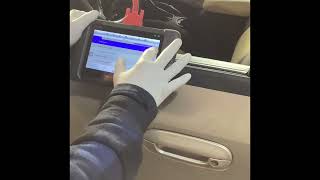
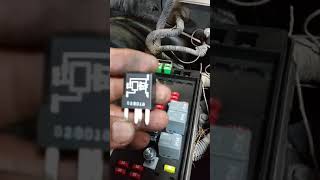
If you brought your car into my bay with a P0526, here’s how I’d go about tracking it down. Start simple: pop the hood and eyeball the accessory belt. If it’s broken or glazed and slipping, that’s your first fix. Next up, take a close look at the wiring and connectors for the cooling fan speed sensor-any green fuzz, brittle wires, or loose connections need to be sorted out. Here’s a pro-tip from the garage: gently wiggle the harness while the engine’s running and see if anything changes. After that, I’ll check the fan or fan clutch. If it’s electric, I’ll use a scan tool to command the fan and watch for response; if it’s a viscous setup, I’ll give the fan a spin by hand (engine off, always!). Then it’s time to break out the multimeter-check the sensor connector for that 5-volt reference, a good ground, and a solid signal. If everything’s lining up so far, I’ll look at live data on the scan tool and see if the PCM’s fan speed command matches what the sensor reports. If there’s a mismatch, odds are the sensor or wiring is to blame. Only after all that would I even consider the PCM, and that’s a rare day. Save yourself a lot of headaches by reviewing the wiring diagram and repair info for your specific ride.

Common Mistakes with P0526
What I’ve often found is folks get in a hurry and start swapping out parts-fan, sensor, the works-without checking the simple stuff first. Don’t overlook the wiring and connectors; a crusty plug or broken wire is a frequent offender. Another one I see is folks ignoring the accessory belt. If that belt’s shot, you’re chasing your tail with everything else. People sometimes assume the fan is fine just because it looks okay, but appearances can be deceiving. And here’s one more: don’t forget to check for other codes that might point to a bigger electrical gremlin. My advice? Always start with the basics and work your way up.

Seriousness of obd code P0526
If you’re wondering how urgent this is, let me put it plainly: don’t wait. A busted cooling fan system is a one-way ticket to overheated engines, blown head gaskets, or even a seized motor. I’ve seen the aftermath, and it’s not pretty-or cheap. Ignore this, and you’re risking the radiator, major engine parts, and sometimes even the PCM itself if the overheating gets out of hand. Not to mention, lack of fan operation can leave your A/C blowing warm. When P0526 shows up, get to the root of it fast. You’ll save yourself thousands and a lot of grief down the line.
Repair options for P0526 trouble code
Once you’ve nailed down the cause, fixing P0526 isn’t usually rocket science. Got a wiring or connector issue? Clean it up or patch it right. If it’s the fan or clutch that’s failed, swap it out. A bad cooling fan speed sensor? Replace it with a quality part-don’t cheap out. Broken or worn-out accessory belt? Change it immediately. And if you’ve run through all that and it turns out to be the PCM, you’re looking at reprogramming or replacement, but that’s the last thing I’d try. Here’s my routine: double-check your repairs, clear the code, and take the car for a spin-make sure that fan’s running like it should before calling the job done.
Conclusion
Bottom line, P0526 is your engine’s SOS for cooling fan speed issues-and trust me, you don’t want to ignore it. Start with the easy stuff: belts, wires, connectors. Most fixes are straightforward if you get on it early. The best way to tackle this is with a methodical, step-by-step approach so you fix the actual problem, not just slap a Band-Aid on the symptoms. Act quickly, and you’ll spare yourself some serious headaches and wallet pain down the road.