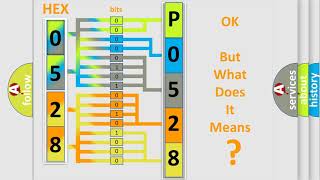
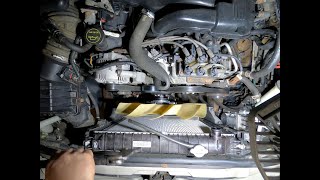
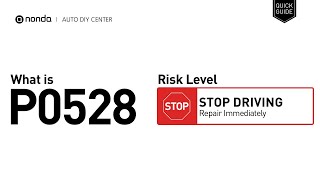
Causes of obd2 code P0528
From experience, the most common reasons I see for a P0528 code are pretty straightforward. Most often the issue is:
- A failed cooling fan itself - the motor just stops working.
- A faulty electric fan clutch - this is what controls how fast the fan spins.
- Wiring problems - like damaged wires, loose connections, or corrosion in the circuit between the PCM and the fan.
- A bad cooling fan relay or a blown fuse - these are simple but easy to overlook.
- In rare cases, a problem with the PCM itself - but this is much less common than the others.
I recommend starting with the basics before jumping to conclusions about expensive parts.
Symptoms of obd code P0528
Here’s what you’ll usually run into when this code is active. That check engine light is your first clue-it almost always comes on. You might notice the temp gauge starting to climb or maybe even feel the engine running hotter than normal. If the fan isn’t working at all, things can get dicey in a hurry-especially if you’re idling or crawling in slow traffic. A hot smell under the hood, or worse, steam coming out? That’s your cue to shut it down right away. Trust me, ignoring these signs can lead to way bigger headaches.

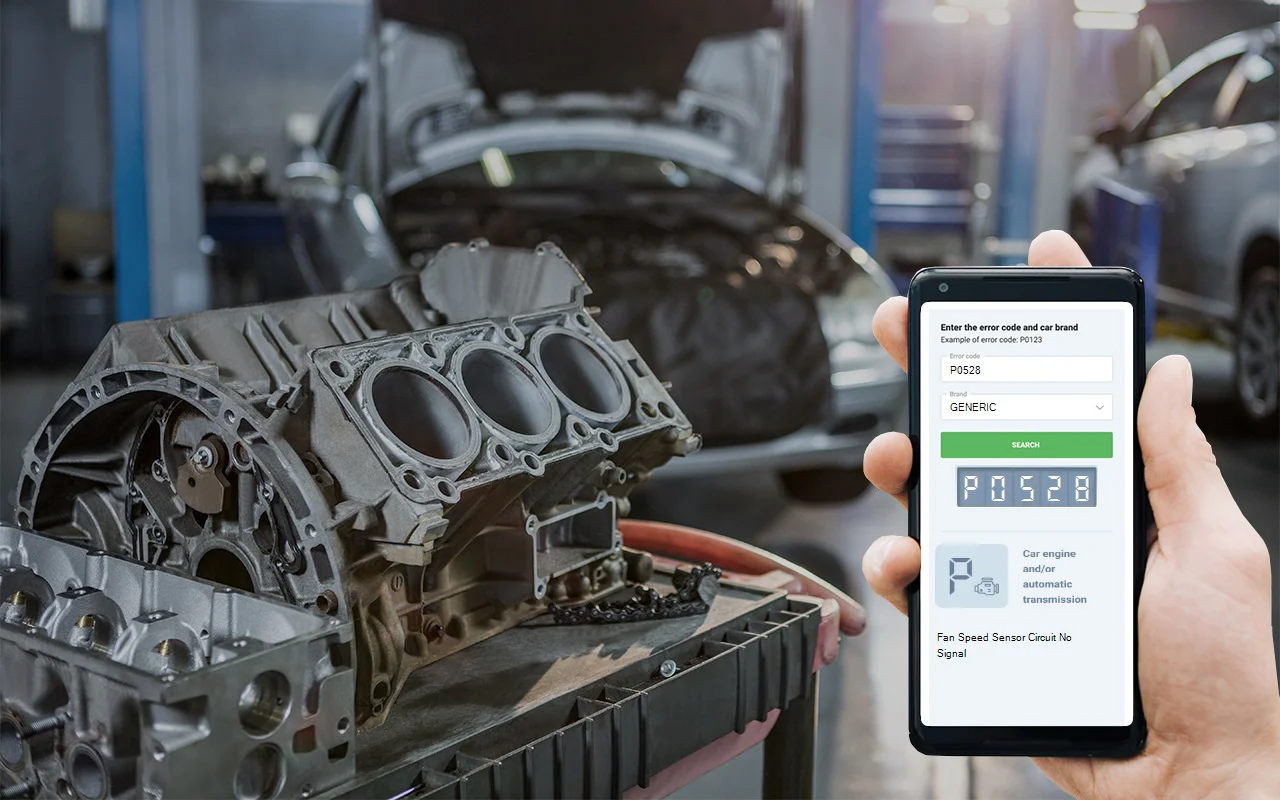
Common Mistakes when fixing dtc P0528
A classic mistake I see all the time is folks throwing parts at the problem-replacing the fan or even the PCM-without first checking the simple stuff like fuses, relays, and wiring. Overlooking a bit of corrosion in a connector is another one; a little green fuzz can make a big mess of things. Skipping the step where you test the fan directly is a fast track to wasting money on parts you don’t need. When you’re in a hurry, it’s easy to blow past the basics, but that’s usually where the fix is hiding.

Repair steps for P0528 code
Once you zero in on what’s causing P0528, the repair is usually pretty straightforward. Here’s what I most often end up doing in the shop:
- Swap out a bad cooling fan motor or the whole assembly if needed.
- Repair or replace damaged wiring or corroded connectors in the circuit.
- Replace a faulty fan relay or blown fuse-never underestimate the basics.
- Change out a failed electric fan clutch, if your system uses one.
- On the rare occasion that the PCM’s the problem, repair or replace it, but only after you’ve ruled everything else out.
After any repair, I always clear the code and test the system, making sure the fan kicks on when it should and that the code doesn’t come back. That’s the only way to know you’ve nailed it.
Conclusion
So here’s the bottom line: P0528 means your car’s brain can’t read or control the cooling fan, and that’s something you want to fix before it turns into a nightmare. Don’t put off troubleshooting-an overheated engine can leave you stranded or saddle you with a brutal repair bill. Start with the obvious stuff like fuses, relays, and wiring before you chase down the pricier parts. What I’ve seen, time and again, is that most fixes are simple once you track down the real culprit. Take your time, go step-by-step, and make sure everything’s working right before you hit the road. That’s how you keep your engine (and your wallet) safe.
Video for "Error p0528" on YouTube
The following error codes are often searched for

 5190
5190 5 minutes of reading