
Main Causes of P052C Malfunction
Speaking from years of chasing down this code, P052C nearly always comes back to a handful of usual suspects-either in the sensors or the VVT system itself. Here are the main troublemakers I’ve run into again and again:
- Crankshaft position sensor acting up or just plain failing
- Camshaft position sensor that’s damaged or giving bad readings
- Intake camshaft timing solenoid that’s stuck or not working right
- Camshaft intermediate lock control solenoid going bad
- Sludge or crud building up around the camshaft sensor signal area
- Timing chain or belt installed a tooth off (happens more often than you’d think!)
- Oil passages clogged up with gunk, messing with the intake cam timing
Honestly, sometimes it’s as simple as a dirty sensor or a sticky solenoid, but don’t rule out bigger mechanical issues like a misaligned timing chain. Those can sneak up on you, especially if someone’s been in there before.
Typical Symptoms When P052C Code Is Present
When P052C is in play, drivers almost always tell me something feels off-especially right after a cold start. Here’s what you’ll likely notice:
- Engine runs rough, especially when you first fire it up
- You’re burning through more gas than usual-watch that fuel gauge drop
- Hard starts or even a misfire when it’s cold out
- Just an all-around sluggish or hesitant feeling on cold starts
Now and then, you’ll only see the check engine light with no other symptoms, but don’t shrug it off. Catching it early can save you a heap of trouble later on.

How to Diagnose a P052C Trouble Code
Let me walk you through how I’d tackle a P052C diagnosis in my own bay:
- I always start by looking up technical service bulletins (TSBs) for your make and model-manufacturers sometimes admit there’s a recurring issue and offer a fix.
- Check your engine oil. Is it low or dirty? You’d be surprised how many VVT problems are just old, sludgy oil or a low oil level.
- Take a close look at the wiring and connectors for the camshaft and crankshaft sensors. I’ve seen more than a few cases where a broken wire or a corroded pin is the whole story. Pro tip: Have a buddy gently move the harness while you watch the scan tool for signal drops.
- Next, I use a scan tool to check live data from the cam and crank sensors. If one’s reading out of whack, that’s your first clue.
- Don’t forget about the intake camshaft timing solenoid and the intermediate lock control solenoid-if they’re sticky or clogged, you’ll get all kinds of weird timing issues.
- If all that looks good, it’s time to eyeball the timing chain or belt. If someone’s installed it a tooth off, codes like this pop up all day long.
- Finally, I’ll check for sludge or debris around the camshaft sensor and clear out any blockages in the oil passages. That VVT system can’t work if oil can’t get where it needs to go.
My advice: Always start simple-oil, wiring, and sensors-before you dive into timing chains or deep engine work. You’d be amazed how often the fix is right in front of you.
Avoiding Common Mistakes When Fixing DTC P052C
A classic mistake I see all the time? Folks throw parts at the problem without checking the basics. Here’s where most people trip up:
- Ignoring dirty or low engine oil-can’t stress enough how often this is the root cause
- Skipping the TSBs-sometimes the answer’s right there in black and white from the manufacturer
- Overlooking a close inspection of the wiring and connectors-one loose or corroded plug and you’re chasing ghosts
- Swapping out the ECM before confirming everything else is working and in time-an expensive mistake
- Forgetting to check for sludge or debris in the oil passages or around the sensors
Missing these steps just wastes your time and money. Always walk through the fundamentals before shelling out for new parts or electronics.

How Serious Is an OBD Code P052C Issue
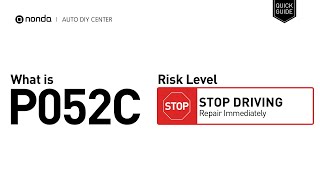
If you’re wondering whether you can put off a P052C, take it from me-you don’t want to risk it. Leaving it alone can mean rough running, a thirsty engine, and if things get bad enough, you could be facing major engine damage. The VVT system needs clean oil and good feedback from its sensors. If anything’s off, you’re opening the door to misfires, rough starts, and even damage to the camshaft or timing components. I’ve seen engines go from running rough to needing major repairs in no time. So, don’t sit on it-get it checked as soon as you spot the code.
Repair Solutions for OBD2 Code P052C Problems
From my own repairs, these are the fixes that actually solve P052C instead of just chasing the code around:
- Swap out a bad camshaft or crankshaft position sensor
- Clean or replace that sticky intake camshaft timing solenoid
- Flush the engine oil and put in fresh, correct-spec oil
- Clear any debris or sludge from around the cam sensor and oil passages
- Repair or replace damaged wiring or connectors
- Realign the timing chain or belt if it’s off a tooth or more
- Update the ECM software if there’s a TSB with a fix
My go-to move is always to start with an oil change and a thorough look at the sensors and wiring. More often than not, you’ll find the fix before you need to dig any deeper.

Conclusion
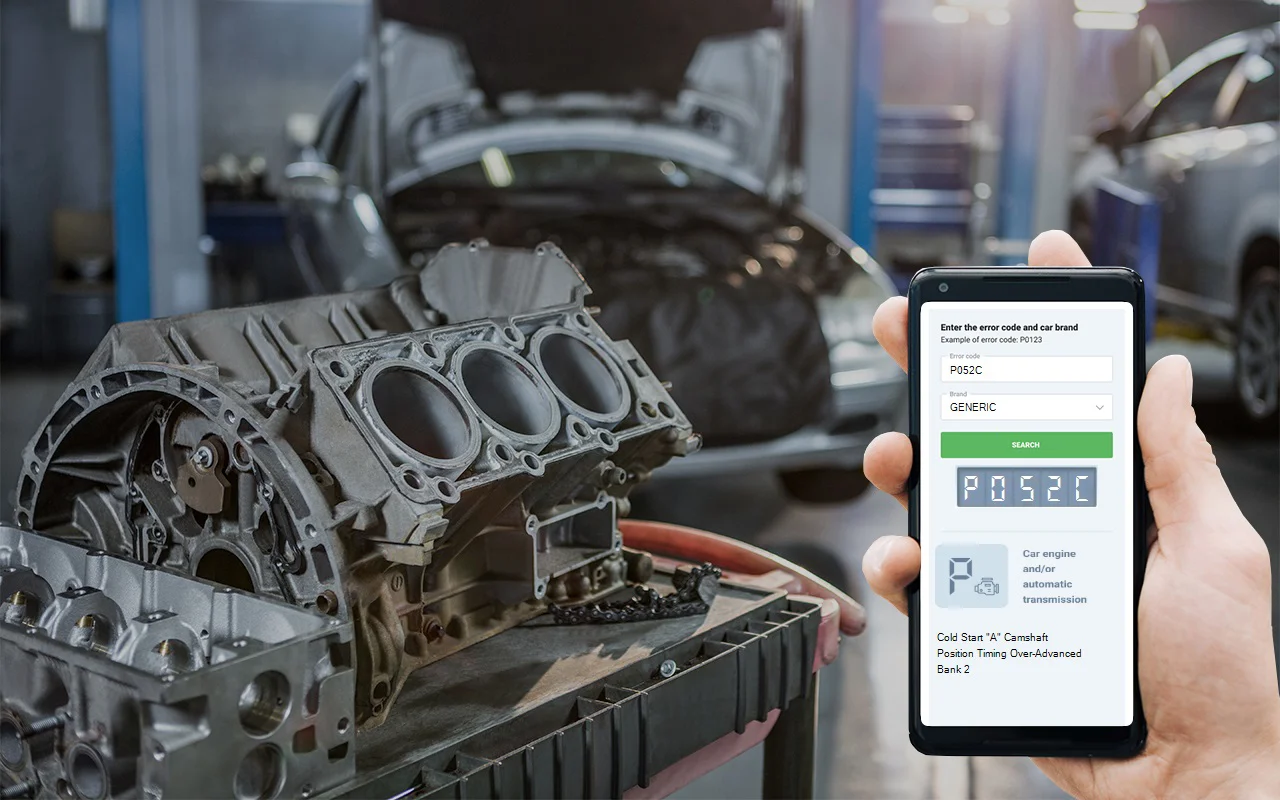
Bottom line: P052C means your engine’s variable valve timing isn’t acting right during cold starts, usually thanks to a sensor, solenoid, or oil-related hiccup. It’s a real problem that can snowball if you leave it alone. Always go for the simple checks first-oil, sensors, wiring-before you get into the big stuff. Take care of it sooner rather than later and you’ll avoid much bigger headaches. And if this kind of troubleshooting isn’t your thing, don’t hesitate to bring in a pro. It’s worth it to keep your engine healthy.
 5432
5432 6 minutes of reading