
Causes and obd2 code P0531
Most times I run into a P0531 code, it comes down to one of a handful of usual suspects:
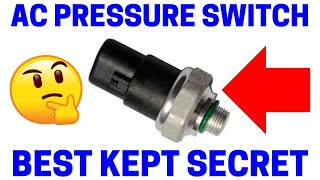
- A faulty or busted A/C refrigerant pressure sensor-this tops the list every time.
- A leak at the sensor (don’t overlook a slow leak, it’ll throw off your readings).
- Low or off-spec refrigerant pressure-sometimes there just isn’t enough juice in the system.
- Wiring issues: broken wires, shorts, or even open circuits going to the sensor.
- A bad connector-loose, bent, or corroded pins can cause all sorts of gremlins.
- Problems with the ECC or BCM modules-rare, but I’ve seen it happen.
- Poor electrical connections anywhere in the sensor’s circuit.
Honestly, from years in the garage, I can tell you wiring and connector problems are sneaky and get overlooked more than they should.
Symptoms and P0531
If you’re dealing with a P0531, here’s what you’ll probably run into:
- Your vents are blowing air that’s not the temperature you set-it might be too warm or too cold, but it’s definitely off.
- Your HVAC system can act up-sometimes it won’t respond to your settings, or you’ll have less control overall.
- The temperature might bounce around or just feel wrong, no matter what you select.
- The A/C compressor may stay off when you need cool air, so you lose that chill altogether.
- Sometimes, the whole HVAC setup just goes haywire and stops working right.
All in all, your comfort gets tossed out the window, and the system’s behavior can get downright unpredictable.

Diagnosis and dtc P0531
Let me walk you through how I chase down a P0531 code, step by step:
- First thing, I always check for technical service bulletins (TSBs) for your particular vehicle. Sometimes the fix is already out there, straight from the manufacturer.
- I’ll hook up a scan tool to see what the refrigerant pressure sensor is reporting while the A/C’s running. The numbers should move logically as the system cycles-if not, you’ve got a clue.
- Next, I grab a set of A/C manifold gauges to check the system’s real pressure and compare it to the scan tool’s numbers. If those don’t match up, odds are the sensor’s on its way out.
- I inspect the sensor itself-look for any signs of leaks, cracks, or physical damage. Make sure it’s mounted tight and nothing’s wiggling loose.
- Then, it’s onto the wiring and connectors. I’m looking for broken wires, corrosion, or loose pins. A multimeter is your best friend here-check voltage and continuity between the sensor and the module.
- Don’t skip checking the refrigerant level. Sometimes it’s just low, and a recharge fixes everything-assuming you don’t have a leak causing it to run out.
- If everything else checks out and the problem’s still there, I start looking at the control modules (BCM or ECC). Not common, but not impossible.
Here’s a pro-tip: always start with the basics-visual checks and simple tests. Only dive deeper when you’ve ruled out the easy stuff. And if you’re not used to working with refrigerant, let a seasoned tech handle those pressure checks-it can get dangerous fast.
Common Mistakes and obd code P0531
Over the years, I’ve watched people make the same mistakes over and over with P0531:
- Jumping straight to swapping out the sensor without even glancing at the wiring or connectors. Sometimes it’s just a loose contact or a pin that’s seen better days.
- Skipping the TSBs. You might save yourself hours (and a few bucks) just by checking for known issues.
- Trusting the scan tool blindly and not cross-checking with actual gauge readings. That’ll send you in circles.
- Missing subtle refrigerant leaks-a little seepage can cause major headaches.
- Using the wrong voltage or test leads when probing the circuit. That’s a quick way to get bad info or even fry a component.
My advice? Slow down and work methodically. Rushing or skipping steps is how you end up wasting time and money.

Seriousness and P0531 trouble code
P0531 isn’t usually an immediate safety threat, but don’t take it lightly-especially if there’s a refrigerant leak in play. Not only is leaking refrigerant rough on the environment, but it’ll also kill your cooling and can wreck your compressor or other A/C parts if left to fester. Wait too long, and you’re looking at a fat repair bill. Trust me, you don’t want to be stranded without A/C on a blazing day. Deal with it soon, and you’ll avoid a world of trouble down the road.
Repair and P0531 engine code
Based on what I see in the shop-and what the factory recommends-here’s how you fix a P0531:
- Swap out the A/C refrigerant pressure sensor if it’s acting up or physically damaged.
- Patch or replace any frayed wiring or crusty connectors in the pressure sensor circuit.
- Seal any refrigerant leaks and recharge the system to spec.
- Make sure the sensor and lines are snug and secured to avoid future issues.
- If you’ve got a rare case, sort out any BCM or ECC module faults the diagnostics uncover.
- Once the fix is in, clear the code and give the system a proper test run to confirm everything’s back to normal.
Honestly, start with the sensor and wiring. Nine times out of ten, one of those is your culprit.



Conclusion
Bottom line: P0531 means your car’s A/C isn’t getting accurate pressure info-usually thanks to a bad sensor, sketchy wiring, or low refrigerant. Sure, it might not seem urgent at first, but drag your feet and you could have bigger (and pricier) problems, especially if there’s a leak. Your best bet is to check for TSBs, give the sensor and wiring a good look, and make sure your refrigerant is where it should be. Fix what’s actually broken, and you’ll get your comfort (and peace of mind) back. Don’t gamble with it-sort it out now, and you’ll save yourself a headache later.

 5515
5515 6 minutes of reading